




news
Implantable device delivers drugs straight to the heart
Device can deliver drugs, proteins and stem cells directly to diseased tissue...
List view / Grid view
Device can deliver drugs, proteins and stem cells directly to diseased tissue...

Alcohol aversion drug disulfiram may combat chemotherapy resistance in non-small cell lung cancer...
27 April 2017 | By Niamh Marriott, Junior Editor
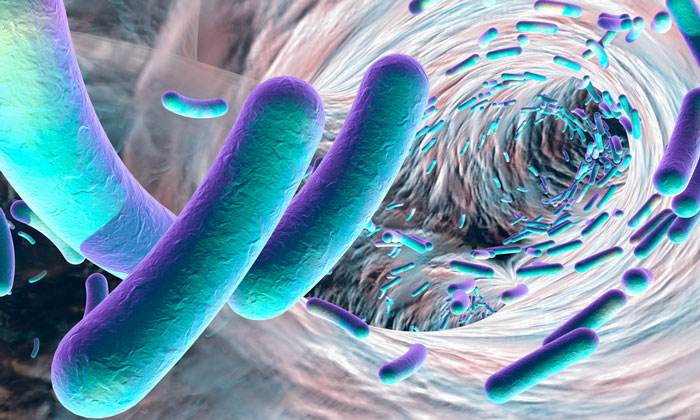
Polyphor presented promising data for their novel class of antibiotics, the Outer Membrane Protein Targeting Antibiotics (OMPTA)...


In this Screening In-Depth Focus: New approaches to cell based assays for high content screening and analysis; Reduce, reuse, recycle: how drug repositioning is finding its niche in drug discovery; Workshop Review: Biochemical assays for screening. Screening roundtable...
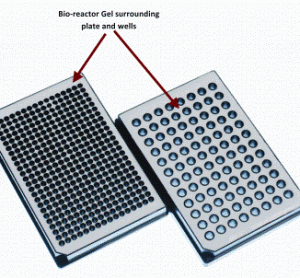
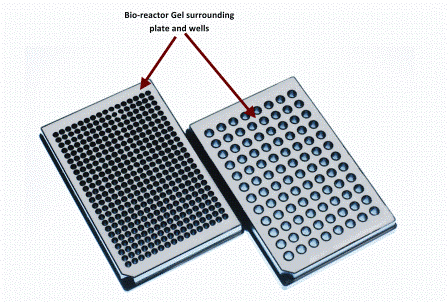
10 July 2012 | By Anthony Mitchell Davies & Anne Marie Byrne, Department of Clinical Medicine Trinity College Dublin; Holger Erfle, BIOQUANT-Zentrum Ruprecht-Karls-Universität Heidelberg; Graham Donnelly, Rita Murray & Peadar MacGabhann, Biocroi Ltd
One of the major limitations of performing large-scale High Content Analysis (HCA) screens is reagent cost, indeed this fact has been a key driver in the development of assay size reduction strategies here at The Irish National Centre for High Content Screening and Analysis at Trinity College’s Department of Medicine.…


22 February 2010 | By
The World Cancer Report (2008) predicts a 50% worldwide increase in cancer incidence by 2030, predicting 75 million people living within a five year diagnosis of cancer1. This increase is partially fuelled by significant medical advances in developed countries ensuring people live longer. However, it is also attributable to developing…
29 May 2009 | By
1. How significantly do you feel the Drug Discovery Process has benefited from the application of High Content Analysis techniques? Anthony Davies: Since the mid 1990's High-content analysis (HCA) has primarily been used in the later stages of the pre-clinical drug discovery process. However, as HCA techniques have developed and…
7 February 2009 | By
High Content Analysis and Screening technologies (HCA) ushered in a new era in the biomedical research, enabling the scientists to uncover previously unknown disease mechanisms and to introduce innovative approaches to the development of the new generations of therapeutic drugs with a potential to selectively target individual genes, molecules and…
3 December 2008 | By
Approximately 45% of all deaths and 50% of all hospitalisations in the western world are a direct result of cardiovascular disease. Cardiomyocyte hypertrophy is a mechanism by which myocardial mass is increased to compensate for any elevated physical demands placed upon the heart, thus ensuring that adequate perfusion of body…


19 June 2008 | By
European Pharmaceutical Review has brought together four individuals from different sides of the scientific palette to discuss current and future issues surrounding secondary screening and maximising its potential.
23 November 2007 | By
High Content Screening (HCS) is becoming increasingly utilised as an early drug-discovery and basic research tool for defining the functions of genes, proteins and other biomolecules in normal and abnormal cellular functions. HCS involves the integration of a number of preparation steps which include; cell-sample preparation, fluorescent labelling, image acquisition,…
