


Dazodalibep met the primary endpoint in a Phase 3 study, demonstrating a statistically significant improvement in systemic disease activity in people with moderate-to-severe systemic Sjögren’s disease.

Amgen has announced positive topline results from the Phase 3 OASIZ 301 study of dazodalibep in adults with moderate-to-severe systemic Sjögren’s disease, a chronic autoimmune condition that can affect the whole body.
The study met its primary endpoint, with dazodalibep demonstrating a statistically significant and clinically meaningful improvement in systemic disease activity at Week 48. Disease activity was assessed using the EULAR Sjögren’s Syndrome Disease Activity Index (ESSDAI), a validated measure covering systemic disease activity across organ systems. Improvements in ESSDAI scores were observed as early as Week 4 and were sustained through Week 48.
These topline results provide further support for dazodalibep as an emerging treatment for improving systemic disease activity and represent an important advance for the field.”
- Ghaith Noaiseh, Study Lead Investigator and Associate Professor of Medicine, University of Kansas Medical Center.
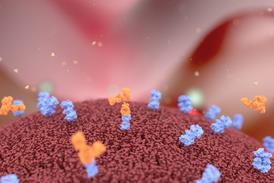
Dazodalibep is a potential first-in-class, investigational fusion protein that inhibits the CD40 ligand (CD40L), a protein involved in the activation and interaction of immune cells. Dazodalibep is also being studied in patients with a high symptom burden and low systemic disease who experience dryness, fatigue, and/or pain that profoundly impacts their daily life.
Sjögren’s disease is the second most common autoimmune rheumatic disease, with manifestations including persistent dryness, fatigue and pain, as well as systemic involvement that can be progressive. There are currently no approved disease-modifying therapies for Sjögren’s disease, highlighting the need for treatments that address systemic disease activity.
These topline results provide further support for dazodalibep as an emerging treatment for improving systemic disease activity and represent an important advance for the field.”
- Ghaith Noaiseh, Study Lead Investigator and Associate Professor of Medicine, University of Kansas Medical Center.
The OASIZ 303 study is expected to complete in Q4 2026, with detailed data being presented at an upcoming medical conference.








No comments yet