



Milestone agreement furthers proposals that help prevent drug shortages in Europe.
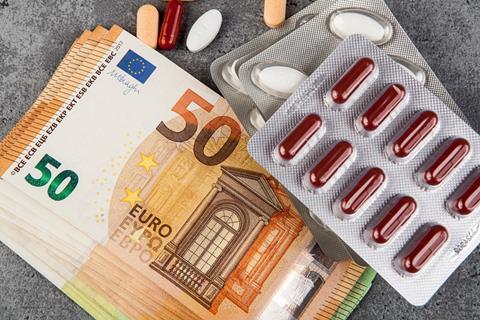
The European Parliament and Council have agreed to progress the Critical Medicines Act (CMA), supporting a more resilient supply chain in Europe to help mitigate medicine shortages of critical medicines across the region.
The CMA aligns with existing initiatives that aim to strengthen supply in the EU, including the ongoing revision of the EU pharmaceutical legislation.
Following its initial proposal in March 2025, the European Parliament’s SANT Committee adopted the draft version of the CMA last December.
Key elements of the agreed Act include strengthening support for manufacturing, as well as international partnerships by the Commission assessing feasibility of including health security provisions in free trade agreements. Additionally, the CMA recommends that environmental and chemical legislation does not have unintended conseqences on the availability of critical medicines.
In March, Adrian van den Hoven, Director General of industry body Medicines for Europe, cautioned: “more than 80 percent of critical medicines have fewer than three suppliers across the whole EU, two-thirds of shortages are linked to highly consolidated supply, and manufacturers of critical medicines continue to shut down European production and relocate to China”.
He urged that “without meaningful demand-side policies included in Articles 18 and 19, the Critical Medicines Act will not achieve its aims of improving the availability, supply and production of critical medicines within the EU.”
The [CMA] agreement introduces new measures to prevent shortages of critical medicinal products across the EU, while enhancing Europe’s strategic autonomy in pharmaceutical manufacturing and in supply chains”
Commenting on the latest agreement, European Parliament Rapporteur, Tomislav Sokol, said: “This breakthrough deal strengthens Europe’s resilience and boosts the competitiveness of our pharmaceutical sector.
“The agreement introduces new measures to prevent shortages of critical medicinal products across the EU, while enhancing Europe’s strategic autonomy in pharmaceutical manufacturing and in supply chains.
“Europe needs to ramp up its pharmaceutical manufacturing capacity as part of our overall competitiveness and self-sufficiency goals. The Critical Medicines Act is a vital step forward in that regard.”
The agreement will now be presented to the European Parliament and the Council for formal approval.










No comments yet