

Off-the-shelf dual-antibody immunotherapy shows myeloma potential
Posted: 12 December 2025 | Catherine Eckford (European Pharmaceutical Review) | No comments yet
The combination of two J&J biologics demonstrates a significantly improved treatment response for the most aggressive form of multiple myeloma in new phase II data.
A combination of Johnson & Johnson’s Talvey (talquetamab) and Tecvayli (teclistamab) has shown promise in producing deep and durable responses in extramedullary multiple myeloma.
The phase II RedirecTT-1 study of the two biologics is the first large prospective study using PET/MRI scan evaluating this subtype of the blood cancer.
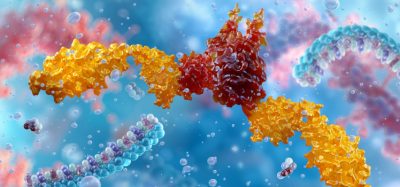
The off-the-shelf, dual-antibody injectable therapy evaluated in the study works by simultaneously engaging T cells and forcing them to eliminate myeloma cells via two separate immune pathways.
Senior study author Dr Shaji Kumar said: “We are seeing powerful responses in a disease that historically has resisted every therapy.
“By recruiting T cells in two distinct ways at once, this dual-target antibody strategy can generate responses in patients who have had very few effective options.”
We are seeing powerful responses in a disease that historically has resisted every therapy. By recruiting T cells in two distinct ways at once, this dual-target antibody strategy can generate responses in patients who have had very few effective options”
As extramedullary multiple myeloma is the most aggressive and treatment-resistant form of the disease, patients typically have a prognosis of just months, so these results could improve outcomes for those with the cancer.
The phase II trial evaluated 90 drug-resistant patients and had a primary endpoint of overall response, assessed using functional imaging. Fifty-five percent of patients achieved no detectable disease and 79 percent responded to the combination therapy. Of these patients, nearly two-thirds maintained disease control at one year.
However serious side effects were common, highlighting the importance of comprehensive supportive care alongside immunotherapy, according to Kumar et al.
Further evaluation of the Talvey-Tecvayli combination includes assessing its potential in earlier lines of therapy and whether similar ‘two-locks, one-key’ immune designs are applicable to other hard-to-treat cancers.
The trial results were published in the New England Journal of Medicine.
Advancing treatments for multiple myeloma
Besides extramedullary multiple myeloma, Talvey and Tecvayli have shown promise as monotherapies for this disease. Based on data presented at the 2024 American Society of Clinical Oncology (ASCO) Annual Meeting, in the pivotal phase I/II MajesTEC-1 study, Tecvayli demonstrated continued deep and durable responses in relapsed or refractory multiple myeloma in patients with limited treatment options.
J&J are evaluating Tecvayli in combination with daratumumab and in earlier lines. Edmond Chan, Senior Director, EMEA Therapeutic Area Lead, Haemato-Oncology at Johnson & Johnson Innovative Medicines envisioned that the future therapeutic landscape will bring “a lot of biologic combinations”, and predicted there will be “more personalised durational therapy”.
Related topics
Anti-Cancer Therapeutics, Antibodies, Big Pharma, Biologics, Clinical Development, Clinical Trials, Data Analysis, Drug Development, Drug Safety, Industry Insight, Research & Development (R&D), Therapeutics
Related organisations
Related drugs
biologic, Immunotherapy, Talquetamab, Tecvayli (teclistamab)