
The UK-EU agreement aims to strengthen health security, scientific collaboration and supply-chain resilience, with potential opportunities for pharmaceutical companies.
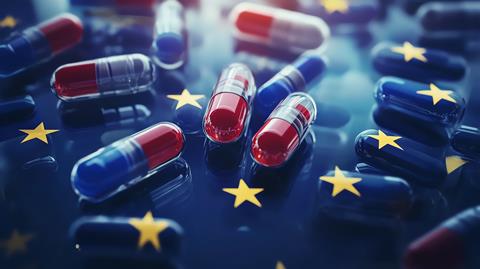
The agreement includes commitments on health security, scientific collaboration and economic resilience, although pharmaceutical trade and medicines regulation remain largely outside its immediate scope.
The UK and European Union (EU) have agreed a new package of measures to strengthen cooperation under their Strategic Partnership, with potential implications for the pharmaceutical industry through closer cooperation on health security, research and supply-chain resilience.
Announced at the UK-EU Summit in Brussels on 20 November, the agreement includes a commitment to develop a memorandum of understanding on health security, covering areas such as medical countermeasures. Both sides also intend to establish a dedicated Specialised Committee on Health Security under the existing Trade and Cooperation Agreement.
For pharmaceutical companies, this could provide a framework for strengthening collaboration on preparedness for future health threats and the development and availability of medical countermeasures. However, the agreement does not include measures to reduce regulatory barriers or change the requirements for supplying medicines between the UK and EU.
The wider package also includes commitments to strengthen scientific and technological collaboration, with plans to launch an EU-UK Digital Partnership in early 2027. This could create further opportunities for cooperation in areas including artificial intelligence (AI), research and innovation.
Separately, a new Youth Experience Scheme will allow up to 100,000 young people from each side to live, work or study in the other territory for up to three years. While not specific to the pharmaceutical sector, improved opportunities for cross-border experience could support the exchange of scientific and technical talent.
The agreement also establishes a partnership for economic resilience, focused on developing more diversified and secure supply chains.
Although the package does not directly address pharmaceutical trade barriers or medicines supply, but its commitments reinforce shared UK-EU interests in health security, scientific collaboration and economic resilience. The practical benefits for pharmaceutical manufacturers and developers will depend on how these commitments are translated into further agreements and implemented.













No comments yet