


Study provides insight on enhancing the formulation development of GLP-1-targeting therapies for obesity and diabetes.

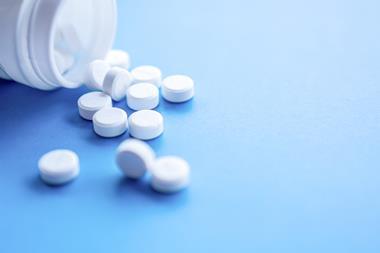
Addition of sodium caprate (C10) during formulation could enhance intestinal absorption and performance of semaglutide tablets, research suggests.
Peptide-based therapeutics, such as semaglutide, have shown efficacy for glycaemic control and weight loss. Oral semaglutide particularly, has seen commercial success, eg, with sodium N-(8-[2-hydroxybenzoyl] amino) caprylate (SNAC)-based Rybelsus.
However, absorption-related barriers remain, namely extremely low and inconsistent oral bioavailability. Specifically, “enzymatic degradation and poor membrane permeability”, has limited administration of peptide drugs to subcutaneous injection, Yoon et al. explained.
In their study, the team added sodium caprate (C10) to enhance the oral absorption of the formulation, to assess whether this oral semaglutide system was a viable alternative to improve intestinal permeation.
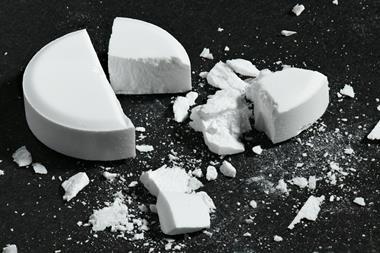
The optimised formulation demonstrated consistent and reproducible quality, satisfying “all predefined quality criteria—including hardness, friability, disintegration, and content uniformity”. Meanwhile, applying a QbD-based formulation design strategy for this formulation showed robustness and that it is broadly applicable for developing oral delivery systems for peptide drugs, including semaglutide, according to the authors.
C10-containing oral semaglutide systems have potential to support development of intestinal permeation enhancer-based formulations, advancing the development of oral peptide drug delivery”
As such, C10-containing oral semaglutide systems have potential to support development of intestinal permeation enhancer-based formulations, advancing the development of oral peptide drug delivery.
The paper was published in Pharmaceutics.
In other recent developments within the GLP-1 therapeutics landscape, last month Boehringer Ingelheim’s highlighted promising new clinical data for survodutide. Shashank Deshpande, Head of Human Pharma at Boehringer said: “Survodutide has the potential to be the first global glucagon/GLP-1 dual agonist to help the more than 1 billion people living with obesity and MASH.”
Roche made headway earlier this year in advancing its injectable GLP-1/GIP receptor agonist CT-388 for obesity, while also demonstrating benefit for pre-diabetic patients. Phase II data showed the once-a-week injectable enabled 54 percent of participants to attain resolution of obesity.

No comments yet