


New manufacturing plant set to strengthen supply security for insulin in Europe.
Sanofi has broken ground on a new, advanced insulin manufacturing facility at its BioCampus in Frankfurt, Germany, laying the groundwork for production of a new generation of insulin.
Construction of the new facility is part Sanofi’s plan to invest €1.3 billion, to replace the company’s existing insulin production plants. The decision was originally announced in August 2024.
Belén Garijo, who began her tenure as Sanofi’s CEO at the end of April, affirmed that the new plant represents the company’s investment “in the next generation of insulin manufacturing in Europe, building on more than a century of expertise and a strong industrial footprint in Frankfurt. Maintaining the right conditions for investment and innovation will be essential to Europe’s future competitiveness.”
[The new plant in Frankfurt represents the firm’s investment] in the next generation of insulin manufacturing in Europe, building on more than a century of expertise and a strong industrial footprint in Frankfurt”
Belén Garijo, CEO, Sanofi’
The facility is expected to be fully licensed by 2032, when full production of insulin active pharmaceutical ingredient is planned to commence. It will represent one of the largest and most advanced insulin manufacturing facilities in Europe.
State-of-the-art technologies, including artificial intelligence, automation and digital capabilities will be leveraged across manufacturing and quality processes.
Within five years, “several hundred highly qualified specialists are expected to work in the new high-tech insulin plant”, according to Sanofi.
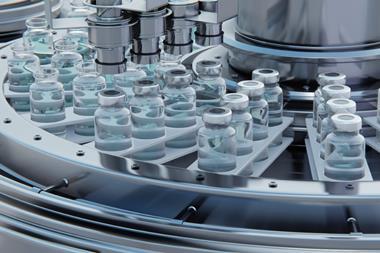
The Frankfurt BioCampus covers the entire insulin manufacturing value chain, from active pharmaceutical ingredient production to filling, device assembly and packaging. Currently, approximately 4,000 employees are dedicated to insulin and 20 insulin products supplied from the site.
This development follows Sanofi’s announcement last month that it is divesting of three manufacturing sites in Hungary, France and Singapore to the firm’s long-time collaborator European pharmaceutical company Cheplapharm.
Earlier this year, The European Commission approved Sanofi’s type 1 diabetes biologic Teizeild (teplizumab) as the first disease-modifying treatment for the condition available in Europe.





No comments yet