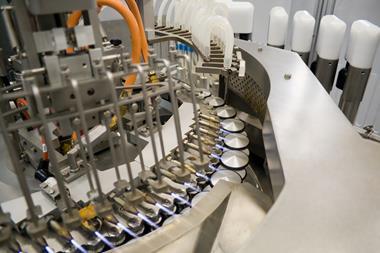



Essential for any medicine that must be sterile and safe for injection, ROIS’ Miguel Ángel Ortega Sánchez presents the case for outsourcing WFI production to a trusted partner.
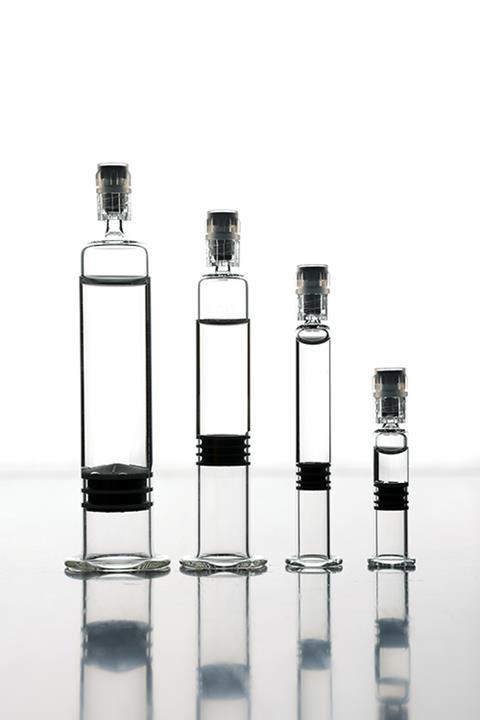
Sitting at the heart of injectable drug manufacturing, the ultra-pure, sterile water used in water for injection (WFI) has a number of key uses for pharmaceutical manufacturers.
From its applications as a solvent and diluent for parenteral drug products to the part it plays in the manufacturing of lyophilised drug products, WFI is essential for any medicine that must be sterile and safe for injection.
As a strategic utility for pharma and biotech companies, many organisations choose to work on its production with a trusted parter and a new white paper from ROIS examines water for injection’s strategic utility and the case for outsourcing its production.
Authored by the contract development and manufacturing organisation’s Corporate Industrial Director Miguel Ángel Ortega Sánchez, the publication examines why many organisations choose to outsource its production and management, and presents the key considerations when deciding whether to build or buy WFI capability.
What is water for injection and how is it made?
The publication opens with a look at the origins of WFI, which – like all drug manufacturing processes – must comply with stringent microbiological, endotoxin and chemical purity limits.
The conventional route to produce WFI is distillation, however non-distillation approaches – when validated and properly controlled – are now permitted by regulators, bringing manufacturers an extra degree of flexibility that has changed the cost calculations involved in WFI systems.