Featured content
Article
Gaelic Labs: Pharma is increasingly focused on supply chain security
General Manager Brian Morrissey discusses his company’s acquisition of fellow Beta-Lactam manufacturer Athlone Laboratories and its implications for an evolving industry.

How thermal analysis can enhance pharmaceutical drug development
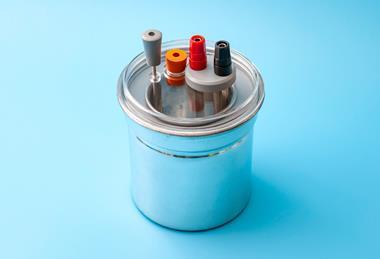
This webinar will discuss three core techniques to optimise drug development through assessment of a material’s stability, composition, impurities, humidity effects, and thermal properties.

Optimising the downstream process in lentiviral vector manufacturing
Sartorius BIA Separations illustrates a promising alternative approach for efficient lentiviral vector purification that delivers a scalable, GMP-ready biomanufacturing solution.
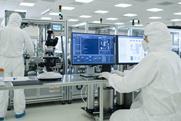
Practical steps for innovating pharmaceutical manufacturing
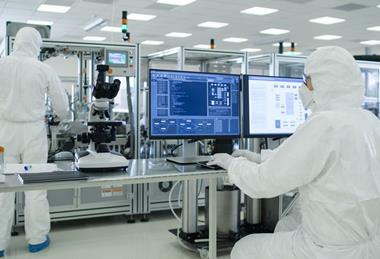
During this virtual panel, industry experts will discuss practical examples and considerations for transforming manufacturing processes.
Pharma Horizons: Trends in Pharmaceutical Manufacturing
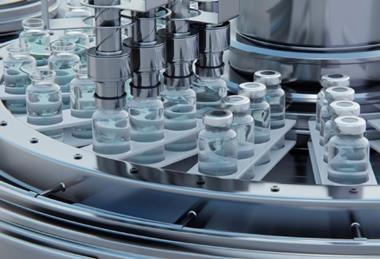
EPR’s 2026 pharma manufacturing trends report covers the key developments in supply chain, quality, drug development, new modalities and beyond.
Opinion and interviews

AI in pharmaceutical development: hype or panacea?
Dave Elder reflects on the array of applications for AI to facilitate successful drug development, though proof remains elusive.
- Previous
- Next



Join now
Unlock exclusive industry insights
- Bookmark articles and resources to access anytime
- Enjoy free access to industry leading resources, webinars and insights
- Stay informed with the latest news and breakthroughs in drug discovery
- Receive updates and recommendations tailored to your research interests
Webinars
- Previous
- Next





Whitepapers
- Previous
- Next