

Is extended-release guanfacine effective in children with chronic tic disorders?
Posted: 27 July 2017 | Sarah Wills (Editorial Assistant: European Pharmaceutical Review) | No comments yet
A new study has assessed the safety, tolerability, and effectiveness of extended-release guanfacine in children 6-17 years of age who have chronic tic disorders including Tourette’s disorder.
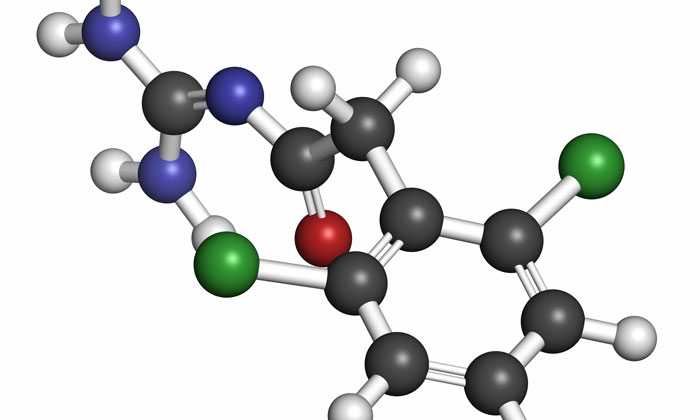
Researchers designed the randomised trial to determine whether guanfacine would reduce tic severity compared to placebo and to identify the most common adverse effects of treatment, as described in an article published in Journal of Child and Adolescent Psychopharmacology.
Tanya Murphy, MD, Omar Rahman, and Camille Hanks, from University of South Florida, St. Petersburg; Thomas Fernandez, Allison Gavaletz, Caitlin Tillberg, Laura Ibanez Gomez, Denis Sukhodolsky, and Lily Katsovich, MBA from Yale University School of Medicine, New Haven, CT; Barbara Coffey, MD, Icahn School of Medicine at Mount Sinai, New York, NY; and Lawrence Scahill, PhD, Emory University School of Medicine, Atlanta, GA, co-authored the article entitled ‘Extended-Release Guanfacine Does Not Show a Large Effect on Tic Severity in Children with Chronic Tic Disorders’.
The researchers reported only a small reduction in tic severity among the group of children who received extended-release guanfacine during the eight week study period, and no significant difference between the effects of the drug compared to placebo. They described several common adverse effects, including fatigue, dry mouth, and headache.
“This is a disappointing but important finding for physicians treating patients with Tourette’s disorder,” says Harold S. Koplewicz, MD, editor in chief of the Journal of Child and Adolescent Psychopharmacology and president of the Child Mind Institute in New York.
“Clinicians are always looking for ways to alleviate disturbing symptoms for their patients. It is essential they are informed when a medication is not more effective than placebo.”
Related topics
Related organisations
Emory University, Icahn School of Medicine, University of South Florida Health, Yale University School of Medicine
Related drugs
Related people
Barbara Coffey, Lawrence Scahill, Tanya Murphy, Thomas Fernandez