
Sandoz is also adjusting its global strategy by recruiting Armin Metzger as President of Biosimilar Development, Manufacturing & Supply.
The US Food and Drug Administration (FDA) is simplifying its strategy for biosimilar approvals through new draft guidance aimed at streamlining unnecessary clinical pharmacokinetic (PK) testing.
The guidelines advise a PK study can use a non-US-licensed comparator product, if scientifically justified. This replaces recommendations requiring at least one clinical PK study that directly compared the proposed biosimilar with the US-licensed reference product. Under the new format, biosimilar applicants may use clinical data from outside the US without additional data from a three-way PK study.
FDA anticipates this change will reduce biosimilar developer’s PK study costs by up to half, saving approximately $20 million.
This change builds on the agency’s draft guidance issued in October recommending reducing certain unnecessary comparative efficacy studies.
Streamlining biosimilar development reflects [FDA's] ongoing commitment to lowering drug costs for everyday Americans. Using common sense, we are embracing more precise analytical testing approaches than have been used in the past"
It followed Europe’s earlier efforts to streamline its own biosimilar pathway. In its draft reflection paper, the EMA suggested: “demonstrated structural and functional comparability, together with comparative data on how the body interacts with the medicines (pharmacokinetic data), may be sufficient to demonstrate similarity with the reference medicine."
FDA Commissioner, Marty Makary said of the current draft guidance: "Streamlining biosimilar development reflects our ongoing commitment to lowering drug costs for everyday Americans. Using common sense, we are embracing more precise analytical testing approaches than have been used in the past."
Sandoz appoints Armin Metzger
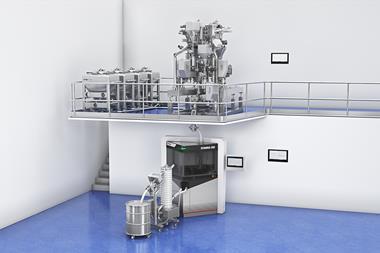
Meanwhile, Sandoz is strengthening its biosimilar business by establishing a new global biosimilar development, manufacturing and supply unit.
From 1 April, it will be headed by its new President of Biosimilar Development, Manufacturing and Supply, Armin Metzger, current Executive Vice President, Chief Technical Operations Officer of Ferring Pharmaceuticals.
It is a move that will help the company capitalise on the upcoming period of loss of exclusivity for certain medicines in the market.
Sandoz CEO, Richard Saynor, said: “We stand today at the start of an unprecedented ‘golden decade’ for patient access, with medicines worth more than $650 billion dollars set to lose exclusivity over the next 10 years.”
On the firm’s biosimilar and generic medicines divisions, Saynor explained: “Despite their many synergies, the two parts of the business have different development, manufacturing and supply requirements, as well as increasingly divergent market dynamics.
"This change will enable us to focus our efforts more sharply on accelerating biosimilar growth while further strengthening our generic operations to increase our competitive edge.”
Further leadership changes include: Claire D’Abreu-Hayling, current Chief Scientific Officer, becoming President of Generics Development and Chief Scientific Officer, and Glenn Gerecke, current Chief Manufacturing and Supply Officer, becoming Sandoz’s new President of Generics Manufacturing and Supply.