




Automation, precision, and sustainability – Shimadzu’s MultiNA II MCE-301 redefines microchip electrophoresis, delivering faster, greener, and more reliable DNA and RNA analysis for QA/QC and research laboratories alike.

DNA/RNA analysis meets automation and sustainability
The launch of the MultiNA II MCE-301 by Shimadzu marks a significant step forward in nucleic acid analysis, combining automation, analytical performance, and sustainability in one compact platform. This microchip electrophoresis system bridges the needs of QA/QC laboratories and advanced R&D environments. Reliability, throughput, and environmental responsibility are increasingly interconnected.
From manual to fully automated
Conventional gel-based electrophoresis is time-consuming and prone to variability. From gel preparation and reagent dispensing to sample separation, staining, and equipment cleaning: A full workflow can take more than two hours by hand.
The MultiNA II transforms this into a seamless, fully automated digital process. Users simply register samples, set reagents and press start. The system takes care of the rest. Start-up takes just ten minutes. Results are delivered with minimal human intervention, significantly reducing error and improving reproducibility.
Key workflow improvements include:
• Sample addition during analysis – no need to wait until all samples are processed
• Automatic sample dilution – previously a manual step, now handled directly by the instrument
• Intuitive software – automated data comparison tools, enabling scientists to focus on interpretation rather than manual processing
Advanced detection and analysis capabilities
The MultiNA II is engineered for both routine quality control and cutting-edge research. It supports RNA integrity assessment, NGS library validation, mutation detection, genotyping, and genome editing evaluation. The NGS and genome editing markets in particular continue to grow at nearly 20% per year globally.
Standout analytical features include:
• RNA Integrity Index (RII) – quantitative evaluation of RNA sample quality
• Fingerprinting function – automatically determines the presence or absence of target DNA
• Grouping analysis function – classifies samples automatically based on results
• Enhanced DNA detection sensitivity – improved from 200 pg/μL to 5 pg/μL using a new dedicated reagent kit
Shimadzu’s concept of ‘Analytical Intelligence’ adds further value: the system automatically assesses data quality and guides users through workflows. This ensures reliable results regardless of operator experience.
Built for sustainable laboratories
Sustainability is no longer optional in modern laboratory environments – and the MultiNA II delivers here as well. Compared to the previous model:
• Power consumption reduced to 70%
• Purified water usage reduced to 60% – lowering waste liquid and environmental impact
• Reusable microchips replace single-use consumables, drastically cutting laboratory waste
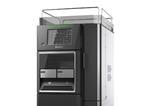
• Compact footprint – equipment size scaled down to 85%, height reduced to 73% – enabling bench-top installation
These improvements lower operating costs while actively contributing to greener lab practices.
A platform for science and responsibility
The MultiNA II MCE-301 is used in universities, research institutions, contract testing companies, and manufacturers across medicine, agriculture, pharmacology, and food science.
It exemplifies how modern analytical instruments can deliver on two fronts simultaneously: scientific excellence and sustainable laboratory practices. Whether supporting routine quality control or pioneering genome editing research, the MultiNA II sets a new standard for what a microchip electrophoresis system can achieve.
















No comments yet