
Sandoz has entered a collaboration with Shanghai Henlius Biotech to develop and commercialise up to 10 biosimilars in a deal worth up to $322 million, expanding its pipeline with assets referencing established therapies including Erbitux, Repatha and Benlysta.
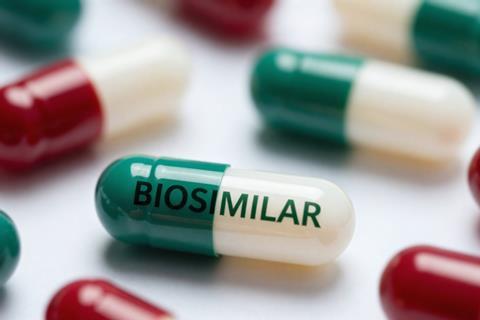
Sandoz has entered into a collaboration agreement with Shanghai Henlius Biotech to develop and commercialise up to 10 new biosimilars, in a deal worth up to $322 million.
Under the milestones-based agreement, Sandoz will make near-term payments of up to $100.5 million associated with the initial group of assets. Henlius will be responsible for development and manufacturing, while Sandoz will hold commercialisation rights globally, excluding China.
The collaboration includes a biosimilar to Erbitux (cetuximab), Eli Lilly and Merck KGaA’s anti-EGFR monoclonal antibody used to treat colorectal cancer and certain forms of squamous cell carcinoma. Its global sales increased by 6.6 percent to $1.7 billion in 2025. Despite its core patents having expired, no biosimilars have yet been marketed, partly due to the molecule’s structural complexity.
The partners will also develop biosimilars referencing Amgen’s Repatha (evolocumab), a PCSK9 inhibitor used to lower cholesterol, and GSK’s Benlysta (belimumab), which is approved for the treatment of systemic lupus erythematosus.
Expanding access to life-enhancing medicines for patients around the world lies at the heart of everything we do.”
- Richard Saynor, Chief Executive Officer, Sandoz.
The agreement also includes an option to use recombinant human hyaluronidase in developing a subcutaneously administered biosimilar, helping to increase the dispersion and absorption of other injected medicines.
Richard Saynor, Chief Executive Officer of Sandoz, said: “Expanding access to life-enhancing medicines for patients around the world lies at the heart of everything we do. By strengthening our collaboration with Henlius through this strategic agreement, one of our largest ever in biosimilars, we are not only underlining our commitment to patients but also taking another step towards capturing a significant share of the unprecedented biosimilar market opportunity that lies ahead.”
The agreement builds on an existing collaboration between Sandoz and Henlius established in April 2025, which focused on the ipilimumab biosimilar, HLX13. Following the latest deal, Sandoz’s biosimilar pipeline will comprise 39 assets, with the potential to increase to up to 46.
The expansion comes as pharmaceutical companies prepare for a significant wave of patent expiries. According to GlobalData, the proportion of global drug sales under patent protection is projected to fall from 12 percent in 2022 to 4 percent by 2030, creating opportunities for biosimilar manufacturers to enter markets following the loss of exclusivity of established medicines.








No comments yet