



As biologic drug formats grow more sophisticated, scalable success depends on embedding manufacturability, analytics and quality thinking into molecular design from the very beginning of development.
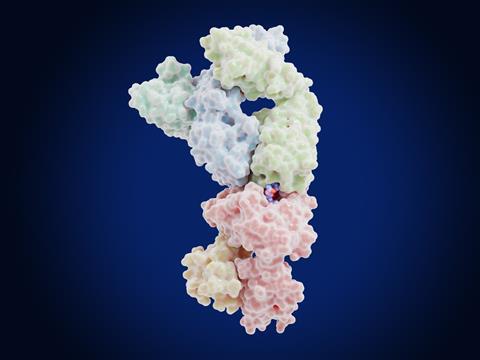
Scaling complex biologic modalities such as bispecific antibodies (BsAbs), antibody–drug conjugates (ADCs) and T-cell engagers (TCEs) demands careful alignment of molecular design, analytical rigour and manufacturability. Across these modalities, clinical success increasingly correlates with early integration of quality-by-design development principles and robust analytical strategies grounded in peer-reviewed data and industry standards.
This article examines the shared challenges facing next-generation biologics and emerging solutions. It also explores how systematic engineering frameworks, controlled conjugation strategies, and early safety and functionality assessments are helping to shape the scalable manufacture of next-generation therapeutics.
Complexity is now the norm in biologics development
Development of BsAbs, TCEs and ADCs has progressed from clinical to commercial stages. Though these modalities offer compelling therapeutic advantages, they also test the limits of traditional development and manufacturing paradigms.
Early biologics innovation focused primarily on demonstrating biological activity, but today the question has expanded. Can these molecules be produced reproducibly, at scale, with consistent quality across global supply chains? Increasingly, programmes that struggle to answer this question falter, regardless of promising early efficacy.
Scalability is determined less by any single technology choice and more by how well molecular design, analytics and process development are integrated from the outset”
Across all complex modalities, a consistent lesson has emerged. Scalability is determined less by any single technology choice and more by how well molecular design, analytics and process development are integrated from the outset.
Bispecific antibodies and T-cell engagers: engineering with intent
BsAbs and TCEs illustrate both the promise and the challenge of molecular complexity. By simultaneously binding two distinct targets, these molecules can redirect immune cells with remarkable precision. However, this same duality introduces challenges around chain pairing, stability, safety and manufacturability.
Early TCEs such as blinatumomab demonstrated clinical proof of concept but also exposed liabilities, including short half-life, dosing constraints and immune-related adverse events. Subsequent generations have focused on improving stability, pharmacokinetics and safety, while retaining potent immune activation.
A key shift in the field has been the move towards systematic engineering frameworks. Rather than pursuing single formats in isolation, development teams increasingly explore structured design matrices that vary parameters such as geometry, valency, affinity and Fc inclusion in parallel. This approach enables rational comparison of multiple architectures, while controlling experimental complexity.
Rather than pursuing single formats in isolation… structured design matrices… enables rational comparison of multiple architectures, while controlling experimental complexity”
Another equally important change has been the early adoption of analytical triaging. Biophysical properties that might affect yield and purity provide early indicators of manufacturability. Functional assays, including T-cell activation and tumour cell killing models, confirm the mechanism of action. Safety-focused assays, such as whole blood cytokine release testing, also help identify formats with acceptable immune activation profiles before significant investment is made.
The cumulative impact of these strategies is risk reduction. By eliminating candidates that fail on manufacturability or safety grounds early, developers can improve the likelihood that remaining leads progress smoothly into scalable production.
The impact of conjugation chemistry on ADC performance in the clinic
If bispecifics highlight the importance of structural control, ADCs underscore the central role that chemistry plays in bioconjugate scalability. While antibodies provide targeting specificity, it is the linker–payload system that largely defines efficacy and safety; it therefore has a greater influence on manufacturability.
Historical analyses of ADC development show that many programmes failed not because of target selection, but due to unstable linkers, heterogeneous drug–antibody ratios (DARs) or poorly balanced physicochemical properties.1 Premature payload release in circulation has also repeatedly led to dose-limiting toxicity and programme termination.
Modern ADC design reflects the lessons learnt from these challenges. Linker stability is now treated as a core design requirement. Successful linkers must remain intact in plasma, release payload efficiently inside target cells and avoid interfering with antigen binding. Hydrophilicity has become an equally important consideration, helping to offset the inherent hydrophobicity of many high-potency payloads.
In parallel, the field has moved steadily towards site-specific conjugation. Stochastic lysine, or cysteine coupling, generates heterogeneous mixtures with variable DARs, leading to inconsistent pharmacokinetics and unpredictable safety profiles. However, site-specific approaches can deliver homogeneous products with better-defined critical quality attributes (CQAs).
Scalability considerations increasingly favour methods that exploit native antibody structures rather than those requiring extensive protein engineering or enzymatic processing. From a chemistry, manufacturing and controls (CMC) perspective, fewer processing steps translate directly into reduced risk during GMP scaleup.
Payload selection and the expanding chemical space
Payload design has become one of the most active areas of ADC innovation. For oncology applications, payloads must exhibit extreme potency to compensate for limited intracellular delivery. Tubulin inhibitors and topoisomerase I inhibitors currently dominate clinical pipelines, reflecting their validated mechanisms and therapeutic windows.2
Payload design has become one of the most active areas of ADC innovation”
However, the field is rapidly expanding. Emerging payload classes include transcriptional inhibitors, immune modulators and protein degraders. Dual-payload ADCs are also attracting attention as a strategy to address tumour heterogeneity and resistance mechanisms, though their added complexity poses significant analytical and manufacturing challenges.
Across all payload strategies, physicochemical balance remains critical. Higher DARs can improve potency but often exacerbate aggregation and clearance.3 This means that linker design and hydrophilic modifications play a decisive role in maintaining solubility and stability without compromising efficacy.
Computational tools are beginning to influence payload selection, offering predictive insights into activity and safety based on chemical structure. While still early, these approaches may eventually accelerate screening and reduce experimental burden.
Process development as a strategic lever for scalability
While molecular design often draws early focus, process development ultimately determines whether a complex biologic can be produced consistently and at a commercial scale. Given the variability inherent in biological systems, disciplined upstream and downstream strategies are essential to control product quality and ensure regulatory readiness.
Upstream development priorities include:
- Rigorous clone selection and media screening to maximise expression while maintaining desired quality attributes
- Robust seed train design to ensure consistent inoculum quality and scalability
- High-throughput scale-down bioreactor models to evaluate critical parameters such as pH, dissolved oxygen, temperature, agitation and feed strategy
- Statistical design of experiments to identify critical process parameters and define a defensible design space
- Pilot-scale confirmation batches to validate scalability before GMP manufacturing.
Downstream development priorities include:
- Early chromatography resin screening to optimise selectivity, binding capacity and scalability
- Filtration and virus clearance strategy development aligned with regulatory expectations
- Tangential flow filtration optimisation for concentration and buffer exchange without compromising product integrity
- Establishment of representative scale-down purification models to support characterisation and troubleshooting
- Structured process transfer documentation to enable seamless transition into manufacturing environments.
Organisations that integrate upstream, downstream, analytical and manufacturing expertise from the outset are better positioned to reduce late-stage risk, compress timelines and deliver commercially viable processes.
Manufacturing and quality: where next-generation modalities converge
Despite differences in molecular architecture, BsAbs, ADCs and TCEs converge around common scaling challenges. Each modality combines biological systems with complex engineering or chemistry, demanding tight control over CQAs.
For ADCs, manufacturing combines biologics production with highly potent small-molecule synthesis. Conjugation reactions must be efficient and reproducible at scale, purification strategies must remove unreacted components without damaging the product, and analytical methods must resolve subtle heterogeneities.
Bispecifics present their own hurdles. Mispaired chains, aggregation and variable expression profiles can undermine scaleup if not addressed early. Here, platform-based development approaches that integrate engineering, analytics and process development offer clear advantages.
Across all modalities, regulators increasingly expect early definition and monitoring of CQAs, supported by robust, orthogonal analytical methods. Techniques such as hydrophobic interaction chromatography and native mass spectrometry are becoming standard tools for characterising complex biologics.
Importantly, scalable success depends on minimising unnecessary process complexity. Each additional enzymatic step, auxiliary reagent or bespoke manipulation introduces new sources of variability and regulatory burden. Pragmatic solutions that align molecular elegance with manufacturing reality are therefore favoured.
From innovation to industrial reality
Experience across complex biologic programmes has shown that innovation alone rarely determines success. Molecules that advance are those developed with a clear understanding of how they will ultimately be manufactured – often well before clinical performance is fully understood.
Developability is an intrinsic property shaped by early decisions around molecular format, conjugation strategy, analytical methods and process design. Programmes that integrate these considerations early are better positioned to navigate scaleup and global distribution.
As the field continues to explore new payloads and mechanisms of action, the challenge will be maintaining this balance. Innovation must proceed hand in hand with pragmatism. The biologics that ultimately reach patients at scale will be those that unite biological insight with disciplined engineering and quality-focused development.
About the author

References
- ADC Losses Top $13.4 Billion in Biotech Sector. [Internet] LinkedIn. 2025. Available from: https://www.linkedin.com/pulse/adc-losses-top-134-billion-biotech-sector-njbp-xd4bf.
- ADC 2024 Landscape Review. [Internet] Beacon Intelligence. Available from: https://beacon-intelligence.com/landscape-reviews/adc/.
- Gordon MR, Canakci M, Li L, et al. Field Guide to Challenges and Opportunities in Antibody–Drug Conjugates for Chemists. Bioconjugate Chem. 2015; 26, 2198–2215.










No comments yet