




Ion chromatography is widely used in pharmaceutical quality control, but routine analysis can become time-consuming when workflows rely heavily on manual steps. Differences in operator technique, sample handling, and sequencing can also introduce unwanted variability.
This application note looks at how automating key parts of the ion chromatography workflow can help improve consistency and make routine analysis easier to manage in regulated lab environments.
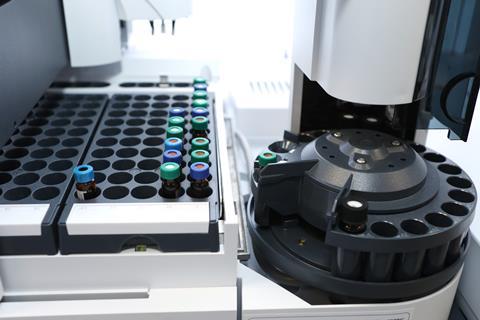
Key topics covered
This application note explores:
- Common challenges associated with manual ion chromatography workflows
- How automation can streamline routine steps such as eluent handling, system start-up, and calibration
- The role of integrated dilution and system monitoring in improving reproducibility
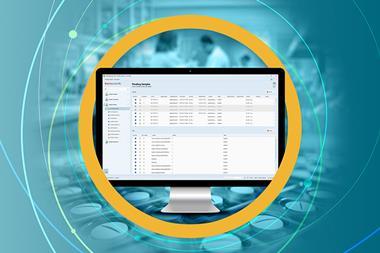
- How software tools can support data handling, reporting, and troubleshooting
- Approaches to improving consistency and throughput in routine IC analysis
Impact of automation on IC workflows
Automation can reduce the reliance on manual intervention across routine ion chromatography processes. By standardising key steps and supporting guided operation, it helps reduce variability between users and runs.
In addition, automated system checks and monitoring can support more stable operating conditions, reducing interruptions and improving method robustness over time.
Software integration further supports efficiency by simplifying method execution, data processing, and result reporting, particularly in high-throughput or regulated laboratory settings.
Download the application note to explore how automated approaches can be applied to routine ion chromatography workflows in analytical laboratories.
Download Now










No comments yet