


Study findings offer potential to improve drug efficacy of hard-to-deliver antibiotics.
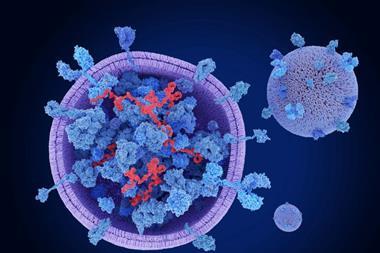
A novel, smart, nanoparticle-based drug capsule could provide effective, localised delivery into bacterial biofilms, research suggests.
A joint team from the University of Birmingham and Nottingham Trent University designed nanoparticles containing a minimal amount of rifampicin, an antibiotic used to treat tuberculosis.
Low frequency ultrasound enabled the nanoparticles to travel deeper into the biofilm and generate micro bubbles that agitated the drug so that it separated from the nanoparticles when required.
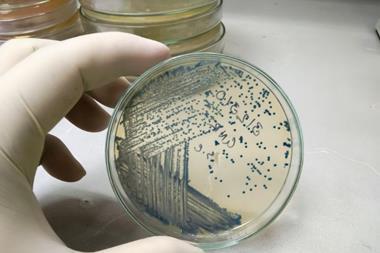
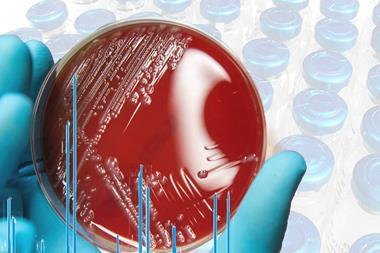
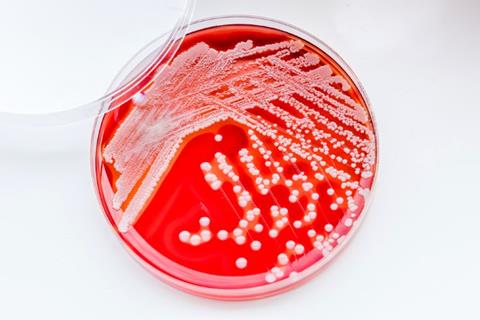
Key findings showed that Staphylococcus aureus biofilms treated with nanoparticles alongside ultrasound eradicated 90 percent of the biofilm.
Conversely, this outcome reduced to 20 percent in biofilms not subjected to ultrasound. Treatment with standard rifampicin plus ultrasound resulted only in a 10 percent reduction.
Without ultrasound, the nanoparticles only reached the top 1.6μm of the biofilm, but with ultrasound they reached about 5.6μm, nearly the entire thickness, according to Odyniec et al.
We’ve found a new way to deliver difficult antibiotics more effectively, using an approach that could be adapted for other hard-to-deliver drugs, potentially including cancer therapies"
Professor Zoe Pikramenou from the University of Birmingham said: “We found that these nanoparticles are only activated with ultrasound to release the drug and they kill bacteria in biofilms far better than rifampicin alone, as they travel through all the layers of the biofilm.
“The particles are biocompatible and showed low toxicity to human epithelial cells, suggesting strong potential for future medical use. We’ve found a new way to deliver difficult antibiotics more effectively, using an approach that could be adapted for other hard-to-deliver drugs, potentially including cancer therapies.”
Dr Sarah Kuehne, Associate Professor of Microbiology in Nottingham Trent University, explained that this approach could lead to lower drug doses, lowering the risk of antibiotic resistance (AMR) and unwanted side effects.
The research was published in JACS Au.
Similar research published last year demonstrated an alternative method of delivering antibiotics using nanoparticle technology. The approach focused on physically disrupting the surface of Escherichia coli and clinical isolates of Acinetobacter baumannii.