
Sartorius BIA Separations illustrates a promising alternative approach for efficient lentiviral vector purification that delivers a scalable, GMP-ready biomanufacturing solution.
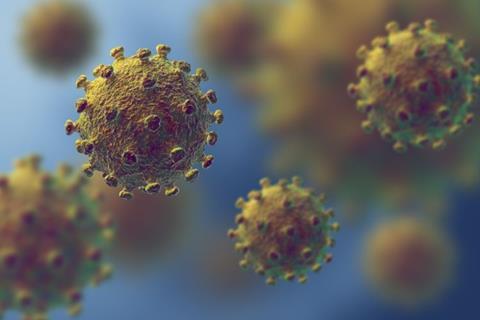
The pharmaceutical industry is seeing increasing interest in advanced medicines like gene therapy and viral vaccines as innovative approaches to treat genetic diseases and beyond. Lentiviral vectors are a key tool for gene delivery, however careful preparation is required to ensure safe, high-quality manufacture that maximises virus particle recovery while ensuring high purity.
Production is a complex, multi-step process that can raise numerous challenges, particularly during downstream purification. To ensure optimal impurity removal, techniques such as chromatography are applied. This technique enables scalability, where conventional approaches such as ultracentrifugation are not appropriate for downstream production of lentiviral vectors.
As pharma works to address these challenges, many organisations are seeking advanced solutions to enhance their downstream processes. A new case study from Sartorius BIA Separations illustrates how integrating a monolith-based anion exchange chromatography (AEX) step can enhance purification performance.
The publication focuses on optimisation of cell and gene therapy specialist NecstGenis’ manufacturing platform. In working with Sartorius BIA Separations, the Netherlands-based contract development and manufacturing organisation sought to evaluate whether TU recovery above 60 percent could be achieved, alongside a greater than 100-fold reduction in impurities.
The study describes how the optimisation improved transducing unit recovery, lowered host cell protein and residual dsDNA levels. With capability to enhance recovery of infectious lentiviral vectors, this alternative chromatography solution provides an efficient and cost-efficient option for downstream processing.
Supporting documents
Click link to download and view these filesCase study
PDF, Size 2.29 mb