



New manufacturing site in Wisconsin expands production capacity and capabilities for induced pluripotent stem cell development and manufacturing.
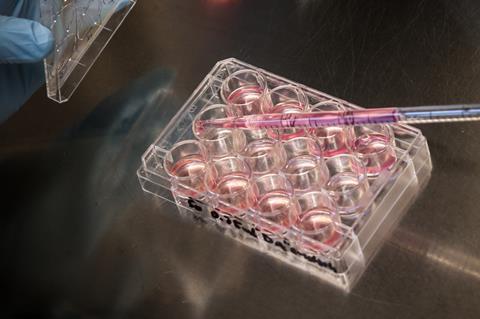
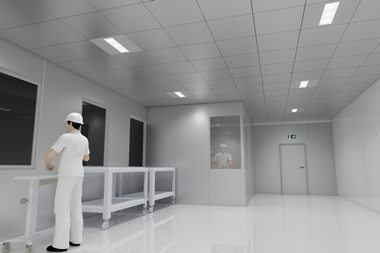
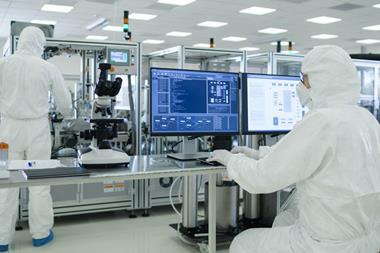
FUJIFILM Cellular Dynamics has opened its new headquarters and pluripotent stem cell (iPSC) development and manufacturing facility in Madison, Wisconsin, US.
The site will expand manufacturing of the firm’s human-induced iPSCs-derived iCell product lines and is expected to boost capacity by four-fold.
The new iPSC facility is part of the company’ $200 million investment to expand its research product and cell therapy manufacturing capabilities in the US.
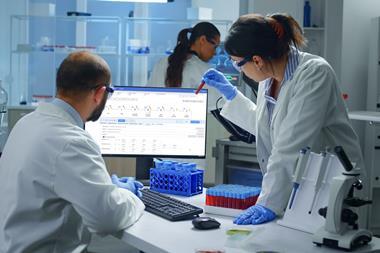
It also aligns with the recent push from regulators in the US and Europe to transition away from animal testing. As such, iPS cell–derived differentiated cells, which more accurately reproduce human biological functions, has seen greater adoption for evaluating the efficacy and safety of drugs during preclinical development.
Toshihisa Iida, Director, Corporate Vice President, General Manager of Life Sciences Strategy Headquarters and Bio CDMO Division, FUJIFILM Corporation, Japan, said: “This new facility enables us to respond to growing demand from pharmaceutical companies, research institutions, and academia engaged in new drug research and development…at a critical time in the iPSC field.”
“[The opening of this facility] represents a crucial next step for scaling the infrastructure needed to support the next generation of iPSC-based research and therapeutics in the US”
“The opening of this facility is an exciting milestone for FUJIFILM Cellular Dynamics and represents a crucial next step for scaling the infrastructure needed to support the next generation of iPSC-based research and therapeutics in the US,” said Tomoyuki Hasegawa, President and CEO of FUJIFILM Cellular Dynamics. “By expanding our development and manufacturing capabilities, we can better support partners working to translate stem cell science into real clinical impact.”






No comments yet