


Novel chemotherapeutic pro-drug approved for FIH trial in the UK
Posted: 18 February 2021 | Hannah Balfour (European Pharmaceutical Review) | No comments yet
If the proof-of concept trial of AVA6000 Pro-doxorubicin is successful, it could lead to a pipeline of pro-drug chemotherapies with limited toxicity, say the drug’s developers.
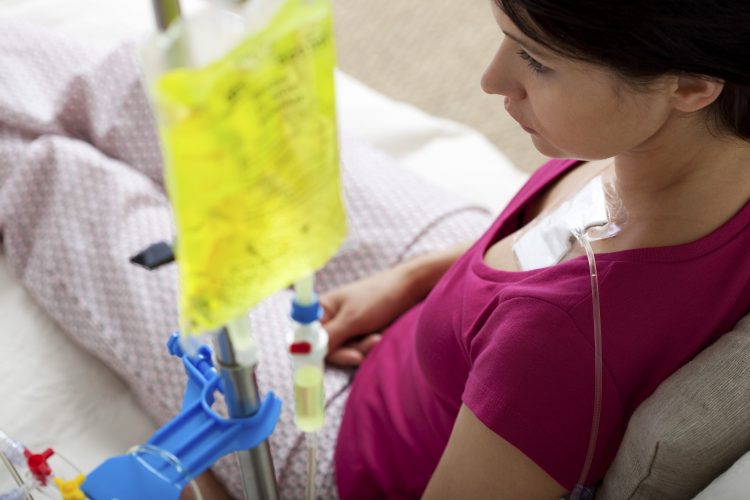
The UK’s Medicines and Healthcare Products Regulatory Agency (MHRA) has granted Clinical Trial Authorisation (CTA) for a Phase I study of Avacta Group’s lead pre|CISION™ pro-drug, AVA6000 Pro-doxorubicin.
In AVA6000, the chemotherapeutic doxorubicin is modified using the company’s proprietary pre|CISION™ chemistry, rendering it inactive in the circulation until it enters the tumour micro-environment. Once in the tumour micro-environment, the pro-drug is activated by the fibroblast activation protein (FAP) enzyme. Using FAP activation makes this a highly selective drug delivery system, according to the company, as FAP is highly abundant in most solid tumours and not in healthy tissues. As a result, using FAP activation should allow chemotherapies to be selectively delivered to cancers, whilst limiting severe and life-threatening toxicities in non-target tissues, such as the heart.
In animal models AVA6000 has been shown to significantly increase the amount of active drug in a tumour compared with the heart and therefore the company believe it has significant potential to improve tolerability and achieve better clinical outcomes for patients.
The MHRA CTA approval is for a Phase I first-in-human, open-label, multi-centre study to be carried out in the UK in patients with locally advanced or metastatic solid tumours, which are known to be FAP positive. These include pancreatic, colorectal, breast, ovarian, bladder and non-small cell lung cancers, squamous cell carcinoma of the head and neck and soft-tissue sarcoma.
The enterprise stated that while the timing of the dosing of the first patient may be affected by the COVID-19 pandemic, it anticipates that the study will start around the middle of 2021.
Alastair Smith, Chief Executive Officer of Avacta Group, commented: “I am delighted to receive this approval for the AVA6000 Pro-doxorubicin Phase I study from the MHRA. This is a significant milestone for Avacta and opens the path to a potentially transformational clinical proof-of-concept study for AVA6000 and the pre|CISION platform.
“If the AVA6000 study shows that the pre|CISION chemistry is effective in reducing systemic toxicity of doxorubicin in humans, then it can be applied to a range of other established chemotherapies to improve their safety and efficacy. This would open up a pipeline of next generation chemotherapies for the Group with significant clinical and commercial value in a chemotherapy market that is expected to grow to $56 billion by 2024.
“I look forward to updating the market on the timing of the dosing of the first patient and on the clinical data in due course.”
Neil Bell, Chief Development Officer of Avacta Group, added: “By utilising FAP activation as a selective drug delivery system the pre|CISION platform provides the capability to deliver chemotherapies to the tumour microenvironment whilst limiting severe and life-threatening toxicities in non-target tissues. pre|CISION has the potential to change future treatment paradigms for many chemotherapies which have not yet optimised their clinical utility.”
Related topics
Anti-Cancer Therapeutics, Chemotherapy, Clinical Trials, Drug Delivery Systems, Drug Safety, Drug Targets, Pipelines
Related organisations
Avacta Group, UK Medicines and Healthcare products Regulatory Agency (MHRA)


![Close up view of the Merck logo on the top corner of a glass building [Credit: Michael Vi / Shutterstock.com].](https://www.europeanpharmaceuticalreview.com/wp-content/uploads/Merck-aquisition-400x187.jpg)

