Biannual routine testing in the laboratory reduces both the likelihood of nuclease contamination occurrence and its impact, a study suggests.

A novel routine nuclease testing regimen developed to ensure resilience against nuclease contamination can be utilised as part a laboratory’s quality management system (QMS), a paper reports.
The regimen may be applied as a quality indicator fulfilling certain ISO quality control criteria, and offers “documented, systematic feedback”.
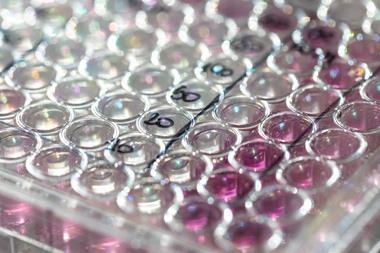
Cleavable, fluorescent DNA and RNA substrates were used to detect, monitor and control for nuclease contamination in the laboratory, according to the authors.
While laboratories implement precautions to mitigate the likelihood of nucleases contamination, “other than by direct nuclease testing, there are few methods by which laboratories could confidently identify nuclease contamination when at a low or intermediate level. The adoption of standardised collection and processing protocols prevents the uncontrolled degradation of biospecimens, but it is difficult to harmonise these across different institutions or achieve universal adherence to a given protocol”, Henry et al. explained.
Additionally, a laboratory could assume that a partially degraded nucleic acid “is a consequence of upstream preanalytical events rather than contamination in their laboratory”.
In the absence of nuclease testing, laboratories solely rely on preventative measures such as using laboratory coats or gloves, Henry et al. stated. As such, the paper recommend that technicians change gloves immediately after using any nuclease-containing reagent.
Preventing nuclease contamination
Following the eight-year study involving 17 rounds of nuclease testing, measures taken to prevent nuclease contamination as standard laboratory practice were found to be “generally effective”.
However, despite this, there is still potential for nuclease contamination to occur. The team reported contamination of equipment used immediately downstream of these processes. There were 0.2 and 1.1 percent of positive tests reported from the ribonucleases (RNase) tests and 0.2 percent in the deoxyribonucleases (DNase) tests. To mitigate this, the authors suggested that certain zones within the laboratory should be designated as nuclease-free to prevent nuclease contamination.
Benefits of the nuclease testing regimen
The testing regimen enabled the laboratory team to identify higher-risk activities and minimise contamination risk. The latter aspect was achieved by designing its laboratory workflows that align with applicable ISO quality control requirements.
The [routine nuclease testing] testing regimen enabled the laboratory team to identify higher-risk activities and minimise [nuclease] contamination risk"
For instance, doing nuclease testing enabled the team to “more reliably assign a probability value to the likelihood of a contamination event occurring”, due to the availability of data. Notably, the paper asserted that the regimen lowers “both the likelihood of a contaminating event occurring and its impact”.
While the regimen was devised to record cases of nuclease contamination, it holds additional benefits such as identifying potential weaknesses in the laboratory's routine cleaning protocols before these become critical. The regimen enabled the team “to have a standard operating procedure (SOP) in place that can readily be applied to test any supplemental items on an ad hoc basis, a reminder to maintain vigilance against nuclease contamination”.
Overall, based on the study findings, the authors recommended implementing the nuclease-testing regime biannually to assess laboratory equipment, reagents and consumables.
Henry et al. remarked that the study demonstrates "the importance of spatially separating DNA extractions from RNA extractions, using dedicated equipment and consumables for each and ideally performing them in separate laboratories”.
The paper was published in Cell.