The Melbourne site adds Australia to a select group of nations with advanced cell-based influenza vaccine capabilities.
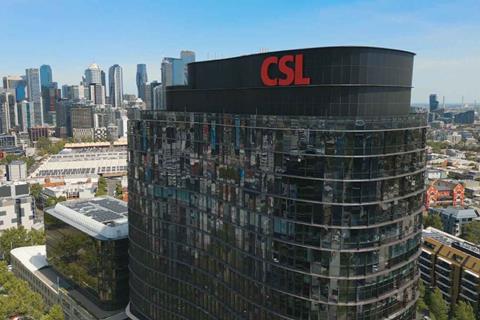
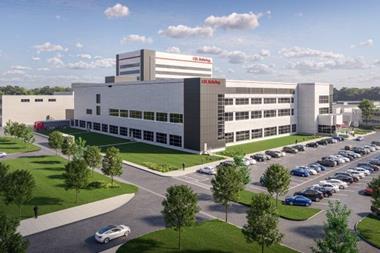
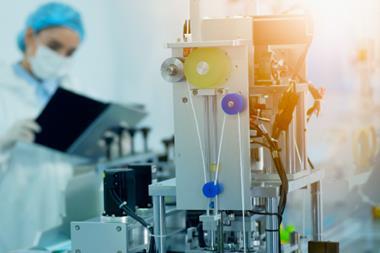
CSL’s vaccine arm CSL Seqirus has opened doors at its new $1 billion influenza vaccine and antivenom manufacturing facility in Melbourne.
The site is the first cell-based influenza vaccine manufacturing facility in the Southern Hemisphere, making Australia one of only three countries with end-to-end capabilities for advanced cell-based influenza vaccines.
Located near Melbourne Airport, the Australian biotech's 28,400m2 site replaces the egg-based vaccine manufacturing facility in Parkville, Melbourne that CSL has run for the last 80 years, and brings with it cell-based vaccine manufacturing’s speed and scalability advantages.
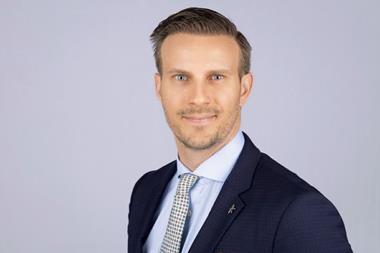
Paul McKenzie, CSL’s Chief Executive Officer, said: “We have always been a uniquely Australian company and so opening this onshore facility is a proud day for us.
“This facility is an investment in the health and economy of Australia and the world. It will expand global capacity and access to our next-generation flu vaccines that will help reduce the significant burden of influenza around the world.”
In addition to contributing to Australia’s onshore vaccine manufacturing capabilities, CSL said the Victoria site would also have enough manufacturing capacity to supply cell-based seasonal flu vaccines to Asia, Europe, the Middle East and the Americas.
Nearer to home, it is also the only manufacturing site in the world capable of producing Australia’s eleven antivenoms for venomous creatures and the human Q-Fever vaccine. With over 1,600 Australians hospitalised every year from the bites or sting of venomous snakes, spiders or marine creatures, the facility adds important local capabilities.
CSL Seqirus Managing Director Dave Ross said: “CSL Seqirus has been at the forefront of innovation since 1919 and our partnership with the Australian and Victorian Governments has been central to that.
“From developing Spanish Flu pandemic vaccines, researching and developing Australian antivenoms, rapidly delivering a swine flu vaccine in 2009 and transforming a 70-year-old manufacturing process to reduce the burden of seasonal influenza.”
“This facility will build a platform for our next wave of innovation in vaccines and unique health challenges, setting a new standard of care.”
However, while the site’s opening was a cause of celebration for CSL the company is still on track to spin-out its CSL Seqirus vaccines business as part of a series of wide-ranging changes as it grapples with adverse business headwinds.