


Europe edges closer to formalising new ‘Pharma package’ industry rules
Posted: 11 December 2025 | Catherine Eckford (European Pharmaceutical Review) | No comments yet
Progress made in the region’s approach to critical medicines and antibiotics as the EU Council and EU Parliament agree a new deal.
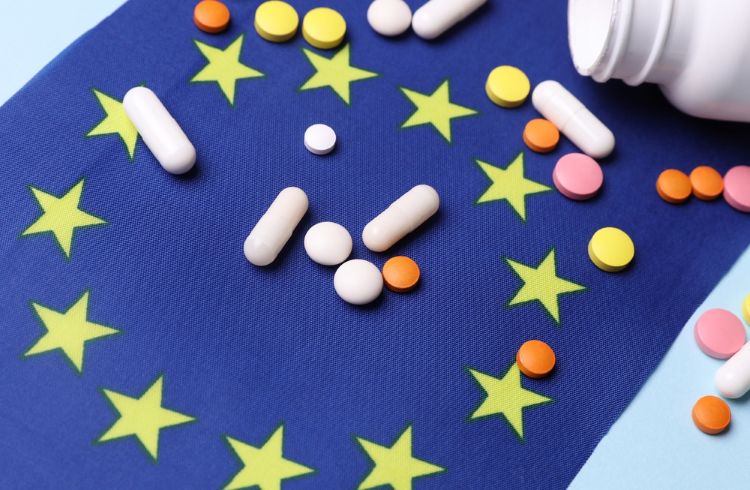
The European Council and the European Parliament have reached a key milestone in adoption of the new ‘Pharma package’, set to represent the biggest reform of pharmaceutical legislation in two decades.
Having agreed their position on the new rules for pharma industry in June, the Council and Parliament have now have landed a deal.
Two of the key objectives of the package, comprising of a regulation and directive, are improving competitiveness of the EU pharmaceutical industry and limiting its regulatory burden.
Sophie Løhde, Danish Minister for the Interior and for Health, said: “We are strengthening incentives for priority antibiotics, reducing red tape for the life science industry, and safeguarding the availability of essential medicines. The package marks a crucial step towards making a more resilient and dynamic life science sector in Europe.”
Key elements of the proposed ‘Pharma package’
Regulatory protection
Under the agreement, new medicines will benefit from an eight-year data protection period. This is in addition to one year of market protection, which for innovative medicines can be extended by a further 12 months, subject to meeting of two of three conditions.
Medicine availability
A provision introduced by the Council (article 56a) will authorise EU countries to require companies to supply enough medicines benefiting from regulatory protection to meet patient needs. The text has been further clarified to prohibit use of article 56a as an opportunity for parallel trade.
The ‘Bolar exemption’
An intellectual property (IP) exemption will enable manufacturers to ensure that generic medicines are available the day after its IP rights expire. This provision also includes submissions for procurement tenders.
Antimicrobial resistance (AMR)
A new transferrable exclusivity voucher will incentive pharma companies to help combat antimicrobial resistance by developing priority antibiotics.
Companies will benefit from a pharmaceutical product of their choice receiving market protection for an additional year.
Maintaining the baseline Regulatory Data Protection at eight years is a welcome outcome. Originators had expressed concern about potential reductions, so retaining the status quo provides much-needed stability”
The package also includes the Council’s proposed ‘blockbuster clause’, which would prevent the voucher’s use on products with annual gross sales of over €490 million in the preceding four years. The aim of this is to minimise its potential impact on national healthcare budgets.
Catherine Drew, Pinsent Masons pharmaceuticals regulation partner, said: “Maintaining the baseline Regulatory Data Protection at eight years is a welcome outcome. Originators had expressed concern about potential reductions, so retaining the status quo provides much-needed stability.
“At the same time, the clarification of Bolar’s scope and confirmation that submissions in procurement tenders are permissible is positive news for the generics sector. These measures will help accelerate access to lower-cost medicines, ultimately improving availability and affordability for patients.”
Once endorsed by both the EU Council and the European Parliament, following its adoption, the agreement will be published in the EU’s Official Journal.
Related topics
Biopharmaceuticals, Drug Markets, Industry Insight, Regulation & Legislation, Therapeutics