

Innovative nanoparticle research could restore antibiotic efficacy
Posted: 27 January 2026 | Catherine Eckford (European Pharmaceutical Review) | No comments yet
Disrupting drug-resistant Gram-negative pathogens is a potential breakthrough in addressing AMR and enhancing antibiotic success.
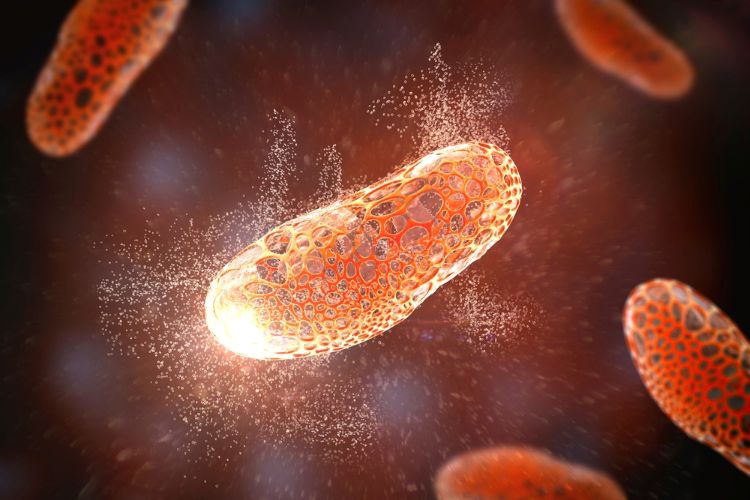
Research shows that innovatively-designed nanoparticles could recover the effectiveness of conventional antibiotic treatments, an approach that could help overcome the global challenge from antimicrobial resistance (AMR).
Amphiphilic Janus nanoparticles engineered by a joint team of US-Japanese researchers physically disrupted the external membrane of drug-resistant Gram-negative bacteria by creating pores on their surface.
With one hydrophilic side and one hydrophobic side, the nanoparticles enable conventional antibiotics to enter the cell and resume their bacteria-killing function, Zwama et al. explained.
When embedded in gels, the nanoparticles yielded “a stable platform for assessing of performance”.
[Janus nanoparticles] don’t kill the bacteria directly but rather open the door for antibiotics to do their job. This synergy overcame resistance in some of the most stubborn bacteria [and] offers a promising and sustainable path forward in tackling the AMR crisis”
As potent adjuvants, they revive and increase the lifespan of many existing antibiotics. Lead author Dr Martijn Zwama explained that they “don’t kill the bacteria directly but rather open the door for antibiotics to do their job. This synergy overcame resistance in some of the most stubborn bacteria. This approach of ‘reviving’ antibiotics offers a promising and sustainable path forward in tackling the AMR crisis”.
Data showed their materials-based strategy was effective against Escherichia coli and clinical isolates of Acinetobacter baumannii and made the bacteria less prone to evolving in the wake of facing resistance.
This advance provides an important development for the field, seeing that antibiotic supply is increasingly at risk, particularly in Europe.
Penicillin, a key antibiotic, has in recent years had two major supply disruptions, most recently during the winter of 2022-23. The region’s medicine supply is also further at risk due to ongoing tariff pressures from the US.
One of those sounding the alarm is Sandoz, and in October last year the pharma company announced plans to construct a new biosimilars production facility in Slovenia to “ensure reliable and sustainable supply in the region”.
The research was published in Nano Letters.
Related topics
Antibiotics, Industry Insight, Nanoparticles, Research & Development (R&D), Therapeutics