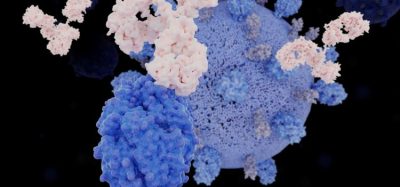


Researcher uses HPV vaccine to treat patient with skin cancer
Posted: 4 July 2018 | European Pharmaceutical Review | No comments yet
Evidence suggests the human papillomavirus plays a role in the development of some types of this skin cancer…
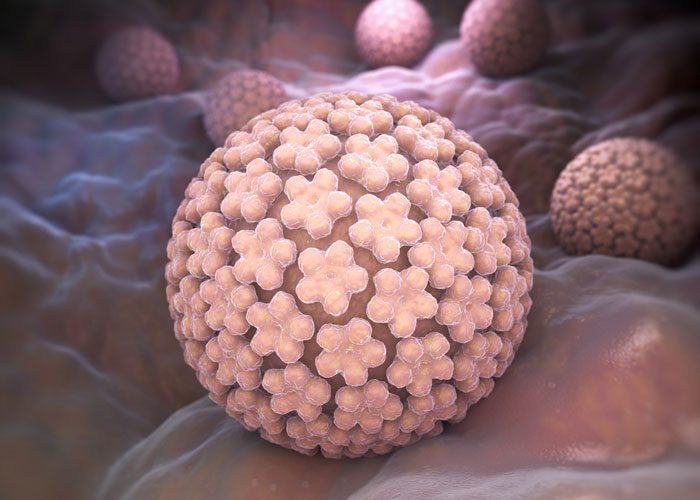
Squamous cell carcinoma is the second-most-common form of skin cancer. Evidence suggests the human papillomavirus plays a role in the development of some types of this skin cancer.
Two years ago, a 97-year-old woman whose right leg was covered with squamous cell tumours went to see dermatologist Dr Anna Nichols, at Sylvester Comprehensive Cancer Center. Surgery is the standard of care for most patients with skin cancer.
“She was not a candidate for surgery because of the sheer number and size of her tumours. She wasn’t a candidate for radiotherapy, again for the same reasons,” said Dr Nichols, an Assistant Professor at the University of Miami Miller School of Medicine.
In 2017, a case report by Dr Nichols showed the HPV vaccine Gardasil reduced the number of new basal and squamous cell skin cancers in two patients. Dr Tim Ioannides, a voluntary faculty member at UM, suggested using the vaccine as an off-label treatment by directly injecting it into the tumours.
Since her patient had no other options, Dr Nichols offered her the treatment. It is considered an “off-label” use because Gardasil is only approved for the prevention of cervical, anal, vulvar and vaginal cancers caused by the human papillomavirus.
“I think we had a really reasonable expectation and good data that this was actually going to, at the very least, do no harm to this patient, and possibly provide some benefit,” said Dr Ioannides. “To have this type of result in such an advanced patient I think was beyond all our expectations.”
The patient was first given two doses of the 9-valent HPV vaccine in her arm, six weeks apart. A few weeks later Dr Nichols directly injected several but not all of the patient’s tumours. The direct intratumoral injections were given four times over 11 months.
“All of her tumours completely resolved 11 months after the first direct tumour injection, and she has had no recurrence,” Dr Nichols said. “It has been about 24 months now since we started with the treatment.”
“They decided to try it and it worked. It killed them all off,” said the patient, who is now looking forward to celebrating her 100th birthday this fall.
The report on this case was published online in JAMA Dermatology.
Related topics
Related organisations
Sylvester Comprehensive Cancer Center, University of Miami Miller School of Medicine