Near €500 million investment will increase the firm’s capacity to produce tablet versions of its obesity and diabetes medicines.
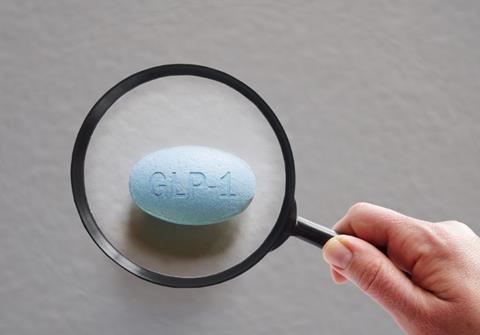
Novo Nordisk is committing €432 million to expand its tabletting manufacturing facility in Monksland, Athlone, Ireland.
The investment is intended to upgrade, retrofit and boost capacity at the site for the firm’s oral GLP-1 products, which are widely used for obesity and diabetes.
Kasper Bødker Mejlvang, EVP CMC & Product Supply at Novo Nordisk, said: “With the investment in the Athlone facility, Novo Nordisk is expanding its production capacities for oral products, which will strengthen our ability to meet both current and future demand, outside the US.”
With the investment in the Athlone facility, Novo Nordisk is expanding its production capacities for oral products, which will strengthen our ability to meet both current and future demand, outside the US"
The facility already employs 260 people and construction of its expanded site is expected to be finalised from the end of 2027 through to 2028.
Fujifilm Biotechnologies also shared plans last month on a European expansion of its manufacturing capabilities, through a £400 million investment in its UK biomanufacturing facility in Teeside.
As Novo Nordisk seeks to expand its manufacturing capability for its GLP-1 products, the past year has seen the wider pharmaceutical industry witness a multitude developments in the therapeutic landscape.
Novo Nordisk last month announced it plans to expand its oral biologic pipeline, investing $2.1 billion with Vivtex Corporation, which includes obesity therapy Wegovy (semaglutide).
While Roche recently saw progress with its GLP-1 portfolio, namely its own injectable GLP-1/GIP receptor agonist obesity candidate. Clinical data released in January found that CT-388 enabled over half of trial participants to achieve a resolution of obesity. Its promise, according to Dr Levi Garraway, PhD, Roche’s Chief Medical Officer and Head of Global Product Development, results from “the robust weight loss combined with a well-tolerated safety profile.”
Furthermore, at the end of last year, Pfizer paid a $2 billion for China-based manufacturer YaoPharma’s GLP-1 drug, increasing competition in the expanding market, while in August Teva secured US approval for a generic GLP-1 of its version of Novo Nordisk’s injectable Saxenda (liraglutide).