
The biologic enabled a significant reduction in RSV-related hospitalisations in infants through a second RSV season.
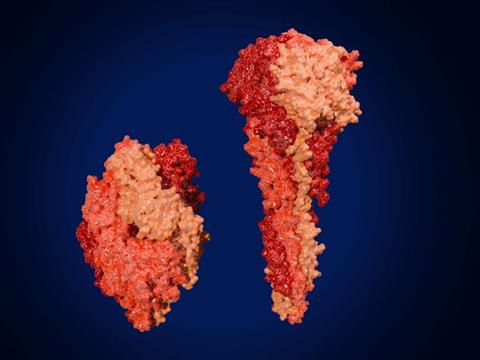
New data from the first prospective real-world population study evaluating use of Sanofi’s Beyfortus (nirsevimab) during two consecutive respiratory syncytial virus (RSV) seasons, showed significantly lower RSV-related hospitalisations in infants.
The monoclonal antibody reduced RSV-related lower respiratory tract infection (LRTI) hospitalisations by 85.9 percent in infants immunised during their first season, according to NIRSE-GAL study data.
Beyfortus enabled a coverage rate of 94.4 percent and facilitated 55.3 percent fewer hospitalisations in the second season in those given Beyfortus during infancy.
Furthermore, infants rehospitalisations due to RSV decreased by 78.2 percent. This figure was 62.4 percent in LRTI-related rehospitalisations, suggesting that early protection against RSV-related lung damage could provide long-term benefit on respiratory health.
This latest data builds on real-world findings from a long-term follow up study released in 2024. The long-acting antibody treatment demonstrated promising efficacy, reducing RSV hospitalisations by 82 percent in infants under six months.
Principal investigator of the NIRSE-GAL study Federico Martinón-Torres said: "This universal RSV immunisation programme with Beyfortus showed decreased RSV-related hospitalisations and outpatient illness burden during the first season, with persistent impact seen on RSV hospitalisations through the second season.”
It’s exciting to see the significant impact of this infant immunisation programme during the first RSV season and truly remarkable to consider a benefit across two seasons"
Thomas Triomphe, Executive Vice President, Vaccines at Sanofi, added: "It’s exciting to see the significant impact of this infant immunisation programme during the first RSV season and truly remarkable to consider a benefit across two seasons.”
This recent data from Sanofi, published in The Lancet Infectious Diseases, will be presented at the Respiratory Syncytial Virus Vaccines for the Word (RSVVW) conference this summer.
Beyfortus was jointly developed by AstraZeneca and Sanofi and gained its first FDA approval in July 2023.
These new findings come in the wake of Sanofi’s CEO transition. Tomorrow is Paul Hudson’s last day in the role after a six-year tenure, after which Merck’s Dr Belén Garijo will take up the helm.