


The CRISPR–Cas12a autologous stem cell therapy improved total haemoglobin levels in participants with sickle cell disease.
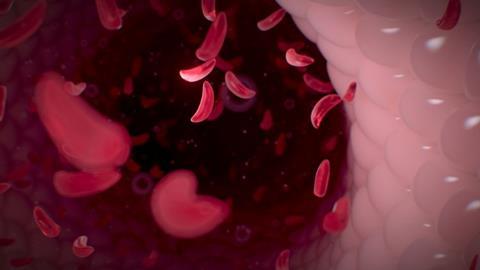
A one-time gene editing therapy has shown “compelling” promise to provide a functional cure in severe sickle cell disease, according to new clinical data.
In the phase I/II RUBY trial, Editas Medicine’s renizgamglogene autogedtemcel (reni-cel) enabled this outcome in nearly all of the 28 participants. Only one experienced painful sickle cell crises following treatment.
Most patients’ key blood cells recovered within a month post-treatment. After six months, average total haemoglobin levels rose to 13.8 g/dL from 9.8 g/dL prior to treatment, which was closer to normal range. The average foetal haemoglobin (HbF) level was 48.1 percent, which remained stable over time.
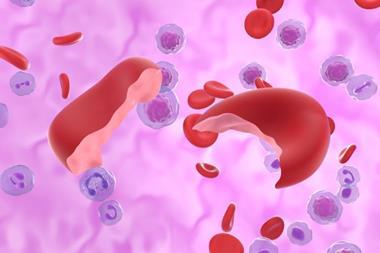
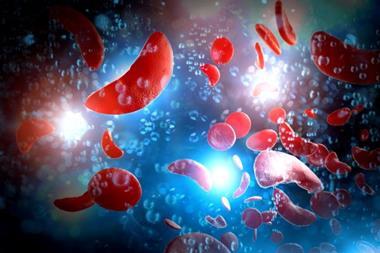
Reni-cel works by increasing levels of foetal haemoglobin, preventing formation of sickle-shaped blood cells, as well as improving overall haemoglobin levels.
The patients first had their stem cells collected for gene editing, followed by chemotherapy to prepare their bone marrow for infusion with the modified cells.
Dr Rabi Hanna, the paper’s lead author said: “We have seen that a benefit of this CRISPR/Cas12a gene-editing technology is that there is no rejection, so it’s different from traditional bone marrow transplants, which is standard treatment for sickle cell patients currently.
“Our aim has been to achieve a functional cure to help prevent any future damage caused by sickle cell disease, and these latest results are compelling.”
The study findings was published in the NEJM.
The FDA authorised the first US-approved cell-based gene therapies for sickle cell disease in 2023. These were Vertex’s Casgevy and bluebird bio’s Lyfgenia, which like reni-cel, are produced from the patients’ modified blood stem cells and then administered as a one-time infusion. Lyfgenia works by permanently adding a functional β-globin gene to patients’ own haematopoietic stem cells, according to bluebird bio.





No comments yet