
Treatment has potential to reduce the need for liver transplants in those with cirrhosis, long-term data suggests.
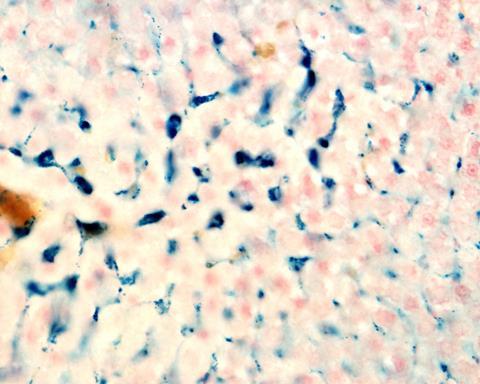
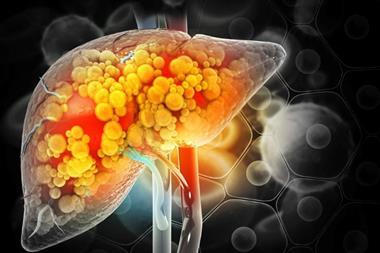
A novel autologous macrophage therapy has shown promise as the first treatment for advanced liver disease, according to scientists at the University of Edinburgh.
New four-year follow up findings from the MATCH phase II trial show the cell therapy restored liver function and enabled a 70 percent transplant-free survival rate in those with cirrhosis.
In the trial, 26 patients received the macrophage therapy, while 24 were given standard care. After four years, the survival rate was 40 percent in patients who did not receive the cell therapy.
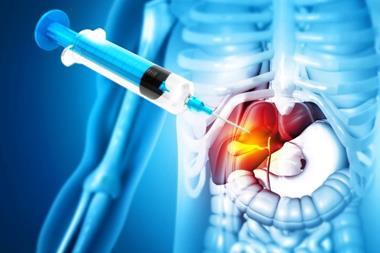
Treatment with the macrophage therapy involved converting patients’ blood into mature macrophages, which were then re-injected into patients. By travelling to the liver, these macrophages break down scar tissue, reduce harmful inflammation and support growth of healthy liver cells.
Professor Stuart Forbes from the University of Edinburgh, said: “We hope this type of approach could one day add to our treatment choices for patients with advanced liver disease, reducing the need for liver transplants.”
This is currently the only curative treatment option for cirrhosis and is limited for a small subset of patients.
Therefore, macrophage therapy could provide a promising option for end-stage liver disease and represents a significant step forward in regenerative medicine, according to the researchers.
[Regenerative macrophage therapy] offers us a glimpse into the mechanism whereby these cells achieve their therapeutic effect: analysis of patients’ blood revealed a strong anti-inflammatory effect of this therapy, which correlates with transplant-free survival”
Dr Lara Campana, Scientific Co-Founder and Senior Vice President, Research & Translational Science at Resolution Therapeutics, said: “This study not only highlights the significant potential of regenerative macrophage therapy in patients with advanced cirrhosis, but it also offers us a glimpse into the mechanism whereby these cells achieve their therapeutic effect: analysis of patients’ blood revealed a strong anti-inflammatory effect of this therapy, which correlates with transplant-free survival.”
Resolution Therapeutics is current assessing RTX001, a new version of the macrophage therapy, in the EMERALD clinical trial.
The paper was published in Cell Stem Cell.

No comments yet