



The collaboration advances UK manufacturing of a low-cost dulaglutide biosimilar to strengthen domestic supply of medicines for type 2 diabetes.
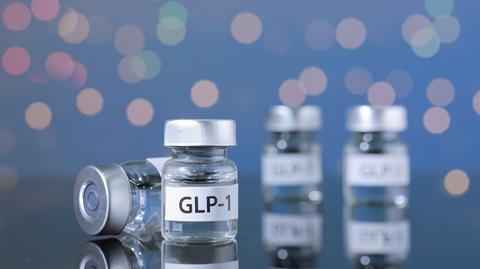
Demand for GLP-1 medicines continues to increase, particularly for the treatment of metabolic diseases such as type 2 diabetes. To strengthen domestic supply, Ena Biologics and the Cell and Gene Therapy Catapult (CGT Catapult) have advanced plans to manufacture a GLP-1 biosimilar at the Braintree Manufacturing Innovation Centre (BMIC) in Essex.
Supported by Innovate UK, the collaboration aims to establish cost-competitive commercial-scale production of a biosimilar for type 2 diabetes treatment, with the potential to supply the NHS and international markets.
The partners have completed cell line development for Ena Biologics’ lead product and report that the manufacturing process is ready for scale-up. They also project that the product cost will be significantly below current market prices. Work is now focused on progressing towards validated commercial-scale production at the Braintree facility.
Ena Biologics is initially targeting the GLP-1 class, with its lead programme focused on dulaglutide. The company aims to use manufacturing process technologies and scalable production to reduce the cost of established biological medicines and improve access.
The collaboration also builds on public investment in UK biomanufacturing infrastructure. The Braintree site was acquired with government funding through the Vaccine Taskforce in 2020 to strengthen domestic vaccine manufacturing capacity during the COVID-19 pandemic. CGT Catapult subsequently established the facility and secured its medicines manufacturing licence.
The project will apply CGT Catapult’s expertise in process development and complex-biologic manufacturing to biosimilar production, with the partners highlighting the potential to strengthen UK supply resilience and support advanced manufacturing capability in the East of England.
Talking on the partnership, Matthew Durdy, Chief Executive, Cell and Gene Therapy Catapult, said: “This collaboration is a powerful example of what UK life sciences infrastructure can achieve when it is built to last. A facility created to help the country respond to the COVID-19 pandemic will now help address another national need: securing reliable, affordable domestic supply of some of the most sought-after medicines in the world.














No comments yet