



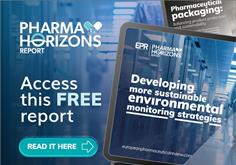
This exclusive report explores the challenges and opportunities in making pharmaceutical environmental monitoring strategies more sustainable, from reducing resource consumption and navigating regulatory changes to adopting advanced technologies and data-driven approaches.
How can pharmaceutical manufacturers reduce the environmental impact of monitoring activities while maintaining effective contamination control, regulatory compliance and product quality?
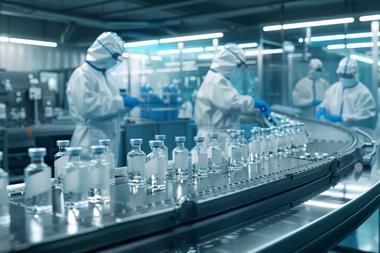
Environmental monitoring is essential to pharmaceutical manufacturing, helping to maintain contamination control, protect product quality and meet regulatory requirements. However, the materials, energy and resources involved in monitoring activities also contribute to the environmental footprint of manufacturing operations.
As sustainability becomes an increasingly important consideration, manufacturers face the challenge of reducing this impact without compromising the effectiveness of their environmental monitoring programmes.
Drawing on expert interviews and technical insights, it considers the opportunities and challenges involved in balancing sustainability, microbiological understanding and effective contamination control.
Key Topics Covered
-
Evolving Environmental Monitoring Strategies: Understanding how EU GMP Annex 1 is shaping environmental monitoring programmes and contamination control strategies.
-
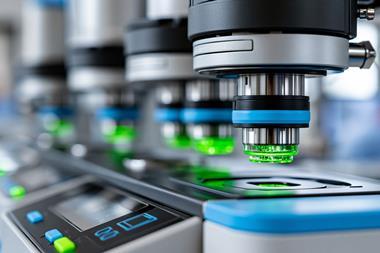
Advanced Monitoring Technologies: Exploring automated and continuous monitoring technologies, and how manufacturers can translate environmental monitoring data into actionable insights.
-
Sustainable Environmental Monitoring: Identifying opportunities to reduce the material, energy, water and waste footprint of monitoring activities through more targeted, data-driven approaches.
-
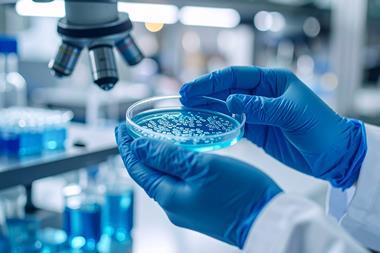
Microbiological Understanding and Rapid Monitoring: Examining the limitations of emerging rapid monitoring technologies and the importance of maintaining microbial identification, recovery and trending capabilities.
-
Proactive Material Compliance: Understanding how lifecycle thinking and early assessment of chemical hazards can help pharmaceutical manufacturers anticipate regulatory changes and reduce supply chain risks.
-
Sustainable Pharmaceutical Packaging: Exploring how lifecycle assessment, material lightweighting and emerging technologies can reduce packaging emissions and material use without compromising product protection, stability or patient safety.
-
Balancing Innovation and Compliance: Considering how manufacturers can adopt new technologies and more sustainable practices while maintaining effective contamination control and meeting regulatory expectations.
Download the report
Explore the challenges, opportunities and technical considerations involved in developing more sustainable environmental monitoring strategies for pharmaceutical manufacturing.
Download the report to discover more >>>
Download Now








No comments yet