




news
Impurities findings could enhance peptide drug safety
EpiVax and Cubrc research supports FDA guidance on impurity risk assessment in generic peptides.
List view / Grid view
EpiVax and Cubrc research supports FDA guidance on impurity risk assessment in generic peptides.


The innovative approach for detecting nitrosamine impurities in APIs addresses limitations of traditional mass-based techniques, research says.


The approach aims to support broader FDA acceptance of the monocyte activation test (MAT) as a replacement, animal-free pyrogen test.


The innovative approach facilitates QSRR-assisted chromatographic development for N-nitrosamine analysis in pharmaceutical products.
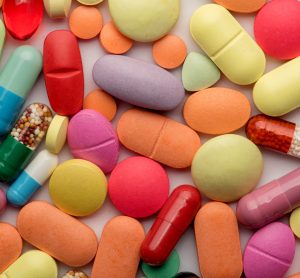

The novel approach could enhance quality testing applications in pharmaceutical manufacturing.


Revisions to the harmonised general chapter “Particulate Contamination (Q-09)” aim to improve pharmaceutical drug development.


Draft publication is set to expand its frameworks for new medicinal products, including cell and gene therapies.
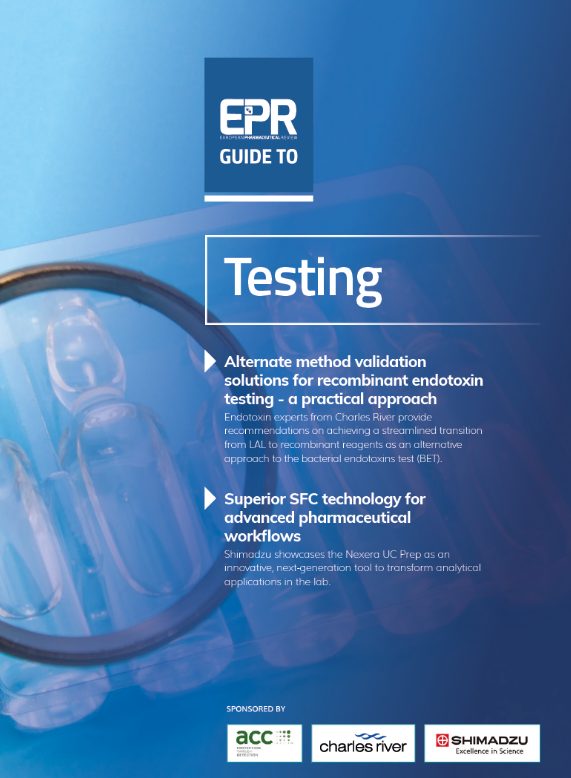
In this Guide to Testing, articles explore method validation for endotoxin testing and using advanced chromatography solutions for analytical laboratory applications.
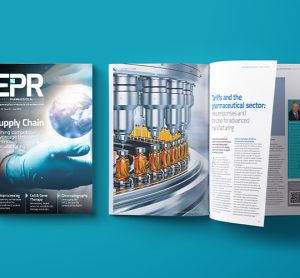
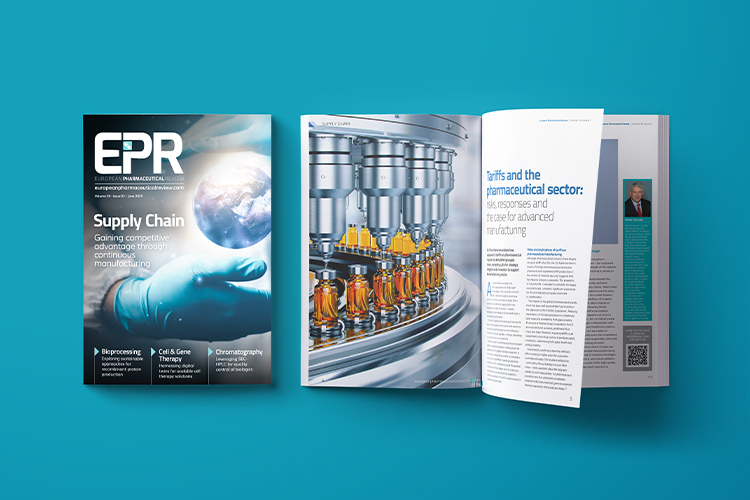
EPR Issue 2 includes articles on the impact of tariffs on the pharmaceutical supply chain, advances in bioprocessing, manufacturing and more.


In this article, Dave Elder reviews the European Medicines Agency (EMA)’s updated reflection paper on the qualification of non-mutagenic impurities (NMIs), which outlines alternative approaches to animal testing.
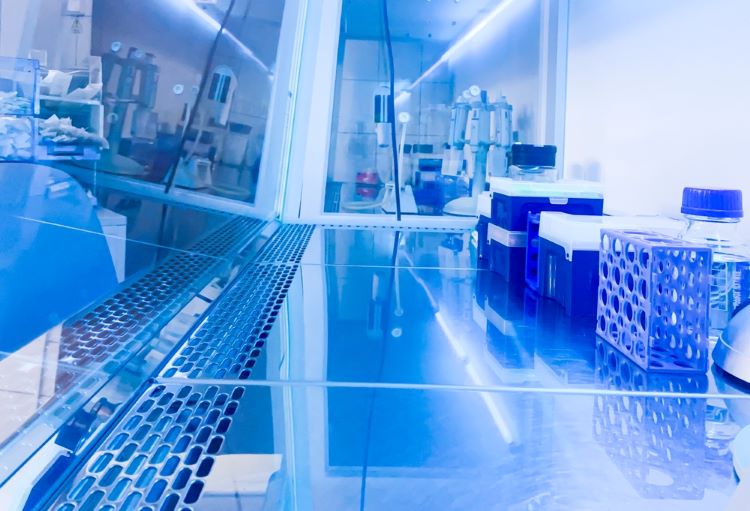
The research highlights a potential approach to address cross-contamination challenges during cell-processing operations.
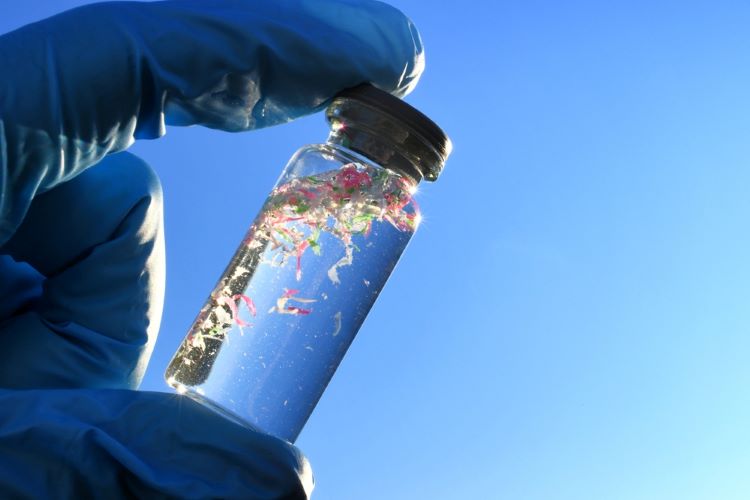
The directive could lead to nearly €1 billion in additional costs for pharmaceutical companies in Finland alone, states Orion Corporation.


Dave Elder shares industry thoughts on an ICH Q6(R1) concept paper that aims to revise general principles for uniformity and consistency across ICH Q6 guidelines for test criteria and specifications.
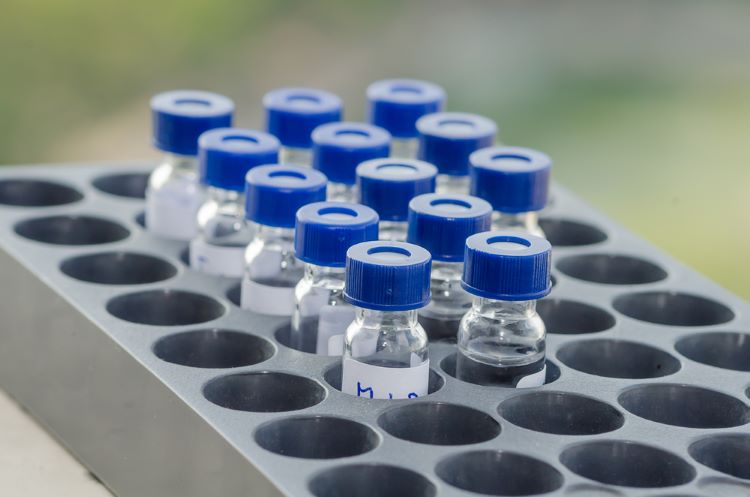
Launch of the USP general method chapter signals a breakthrough in pharmaceutical drug impurity control, according to biopharma experts.

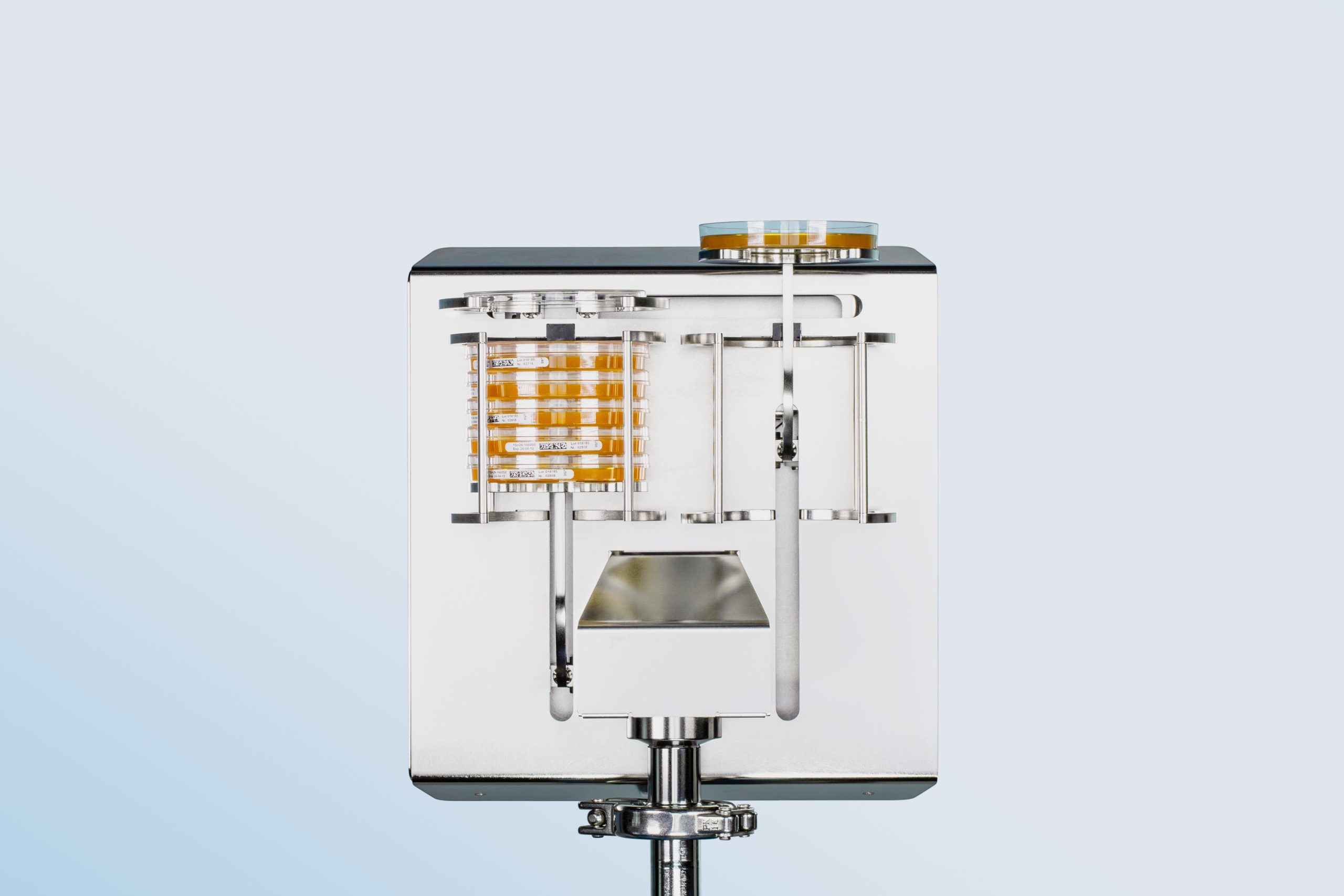
Microbiological monitoring is essential for pharmaceutical facilities. As regulatory standards tighten, especially in cleanroom classes A and B, the need for reliable, continuous monitoring has grown. The MAS-100 Libra meets these demands by combining traditional settle plate methods with advanced automation, improving efficiency and accuracy.

