

Authorisation of the small molecule therapy in the EU represents a new option for thymidine kinase 2 deficiency, builds on earlier US FDA approval.
UCB’s Kygevvi (doxecitine and doxribtimine) 2g/2g powder for oral solution is the first treatment to be approved in the EU for thymidine kinase 2 deficiency (TK2d).
The small molecule treatment is authorised under exceptional circumstances for individuals whose symptom onset began on or before 12 years of age.
It follows the Committee for Medicinal Products for Human Use (CHMP)’s recommendation of the treatment in February, as well as approval in the US last November.
The FDA’s decision broadened treatment options for this rare genetic mitochondrial disease beyond supportive palliative care, noted UCB’s Chief Medical Officer Donatello Crocetta.
The European Commission’s present approval is supported by pooled data from two studies (1, 2). Data shows that Kygevvi enabled improvements including motor function. Specifically:
- a decrease in the loss of motor milestones, with a total of 84 percent of patients regaining one or more motor milestones
- a total of 24 percent of participants commencing ventilatory support after starting treatment, while 22 percent were able to discontinue this aid
- prior to treatment start, 31 percent participants had a feeding tube, which decreased to 14 percent following use of Kygevvi. Two of these participants were able to discontinue feeding support.
- a mean survival time at 10 years of 9.6 years compared with 5.7 years in the control group clinical data.
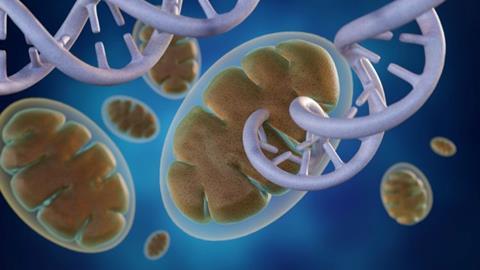
“Kygevvi is designed to support mitochondrial DNA maintenance in skeletal muscle, addressing a key biological driver of TK2d”
UCB’s Crocetta said: “The European Commission’s approval of Kygevvi marks a historic milestone for the TK2d community. For the first time, people across Europe living with this ultra-rare, life-threatening mitochondrial disease have access to an approved treatment beyond supportive care.
“Kygevvi is designed to support mitochondrial DNA maintenance in skeletal muscle, addressing a key biological driver of TK2d.”
Beyond rare disease, UCB recently expanded its autoimmune pipeline through a $1.1 billion deal in which it received rights to a B cell-depleting bispecific antibody from the Chinese biotech Antengene.






No comments yet