


news
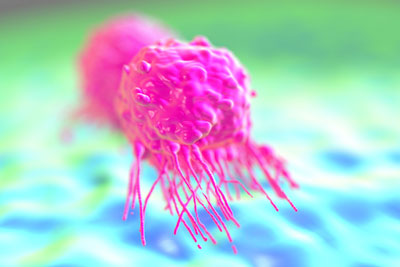
AstraZeneca and Daiichi’s Enhertu wins first-in-decade US oncology approval
FDA approval of the drug in combination with Perjeta initiates a $150 million milestone payment to Daiichi Sankyo from AstraZeneca under their joint collaboration.
List view / Grid view
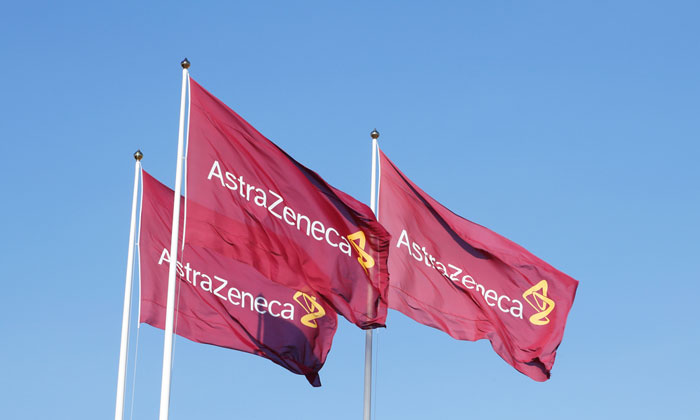
AstraZeneca plc is an Anglo–Swedish multinational pharmaceutical and biopharmaceutical company.
In 2013, it moved its headquarters to Cambridge, United Kingdom, and concentrated its R&D in three sites: Cambridge, Gaithersburg, Maryland (location of MedImmune) for work on biopharmaceuticals, and Mölndal (near Gothenburg) in Sweden, for research on traditional chemical drugs. In 2015, it was the eighth-largest drug company in the world based on sales revenue.
AstraZeneca has a portfolio of products for major disease areas including cancer, cardiovascular, gastrointestinal, infection, neuroscience, respiratory and inflammation. The company was founded in 1999 through the merger of the Swedish Astra AB and the English Zeneca Group (itself formed by the demerger of the pharmaceutical operations of Imperial Chemical Industries in 1993). It has made numerous corporate acquisitions, including Cambridge Antibody Technology (in 2006), MedImmune (in 2007), Spirogen (in 2013) and Definiens (by MedImmune in 2014).
FDA approval of the drug in combination with Perjeta initiates a $150 million milestone payment to Daiichi Sankyo from AstraZeneca under their joint collaboration.
The move is part of biopharma's $50 billion pledge to US medicines manufacturing and R&D.
The deal puts Pfizer’s plans to acquire the US firm, and a portfolio that includes injectable GLP-1 drugs, back on track.


After Wegovy and Zepbound's success, competition for the next potential weight loss blockbuster heats up.


Approval provides continuity of care into adulthood for patients with neurofibromatosis type 1 (NF1) using Koselugo (selumetinib) to manage symptoms.


Efficacy research supports the widespread use of autonomous UVC disinfection for microbial surface decontamination, say AstraZeneca microbiology experts.
The pharma company invested $445m to expand its Coppell site.

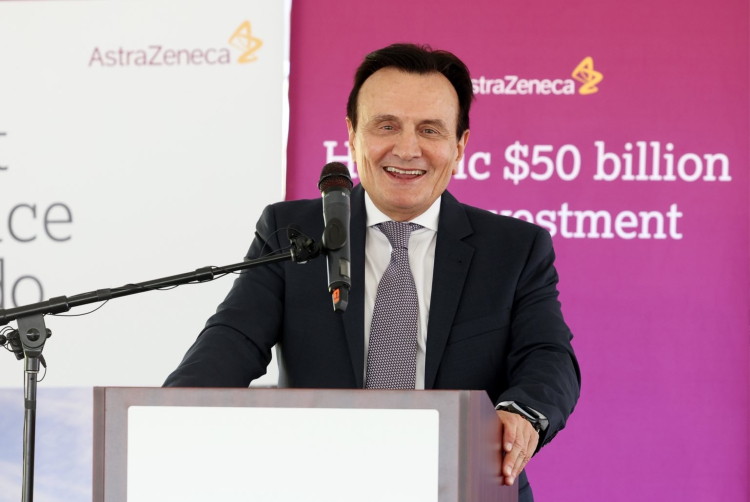
The company will now put a total of $4.5 billion into the Virginia site, expanding its remit to include active pharmaceutical ingredients for cancer drugs.
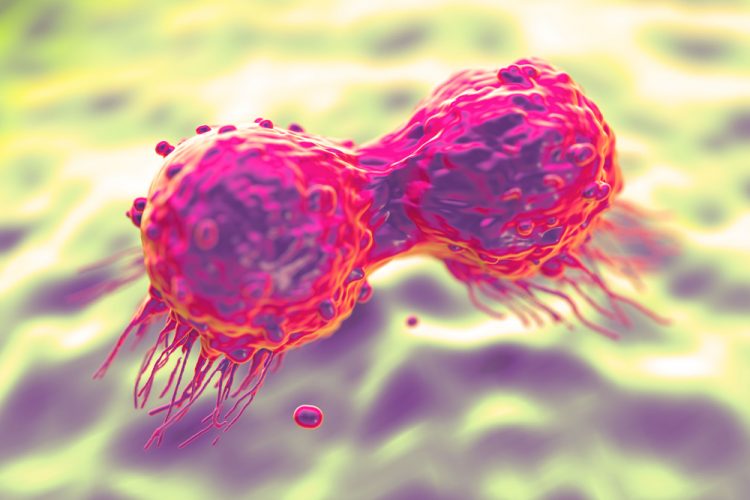
Companies’ first-line ambitions for the antibody drug conjugate buoyed by the TROPION-Breast02 clinical trial.
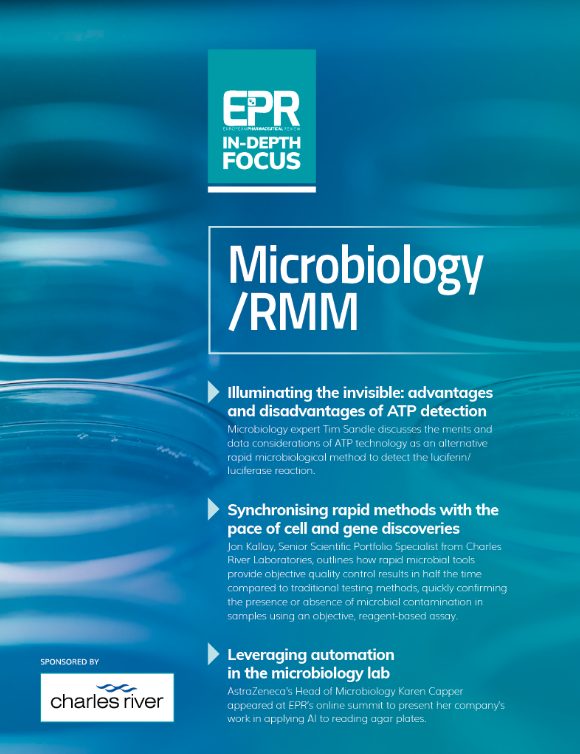
This in-depth focus features articles on rapid microbiological methods, quality control, and using AI to read agar plates.
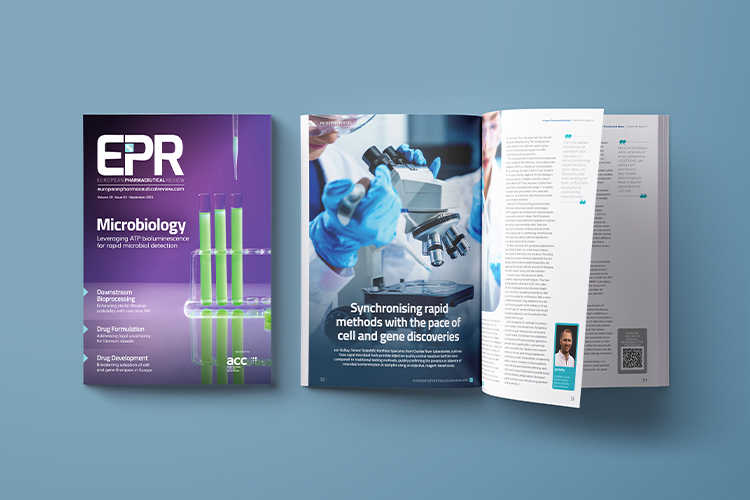
EPR Issue 3 includes articles on microbiology, downstream processing, manufacturing, drug formulation and more.


Biotech and research investments from Lilly and AstraZeneca also put on hold as pricing row rumbles on.
![Roche logo sign lit up [Credit: testing/Shutterstock.com].](https://www.europeanpharmaceuticalreview.com/wp-content/uploads/Roche-3-300x278.jpg)
![Roche logo sign lit up [Credit: testing/Shutterstock.com].](https://www.europeanpharmaceuticalreview.com/wp-content/uploads/Roche-3-e1652444508201.jpg)
While AstraZeneca’s first-in-class candidate baxdrostat marks phase III hypertension win at ESC 2025.
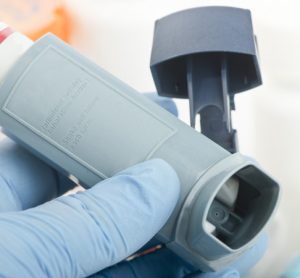
The paper explores recent guidance by the EMA and aims to help companies ensure their developments are efficient and effective for the forthcoming transition.


Advanced technology innovation is driving lower R&D costs and progress of targeted treatments such as cell and gene therapies, the research reports.

