



Achievement of study’s primary efficacy endpoint positions therapy as potentially safer and more effective approach to CRISPR-based gene-editing therapies.
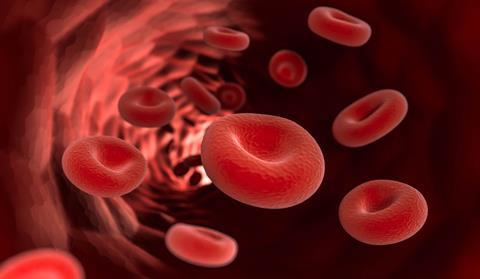
A novel, high-precision base-editing therapy has enabled a patient with sickle cell disease to remain free of vaso-occlusive crises (VOCs) for over 15 months following treatment, new data shows.
CorrectSequence Therapeutics’ CS-206 CS-206 utilises editing of the HBG1/2 promoter region in autologous hematopoietic stem cells to suppress red blood cell sickling and significantly reducing vaso-occlusive crises and haemolysis.
Follow-up results showed that the patient remained free from VOCs and anaemia for 13 consecutive months starting from 60 Days after the last red-cell transfusion.
Moreover, within one month post-treatment, foetal haemoglobin (HbF) levels increased significantly and continuously. Sickle haemoglobin (HbS) levels declined substantially and persistently. No product-related adverse events have so far been observed.
The therapy is designed using transformer base editing (tBE) technology. It enables precise single-base corrections without introducing DNA double-strand breaks. which can create risks including large genomic deletions and off-target mutations. As such, it provides a safer and more efficient therapeutic approach to CRISPR-based gene-editing therapies for sickle cell disease.
[transformer base editing] mimics naturally occurring beneficial mutations found in healthy individuals, thereby reactivating γ-globin expression and rapidly increasing foetal haemoglobin levels”
This editing technique mimics naturally occurring beneficial mutations found in healthy individuals, thereby reactivating γ-globin expression and rapidly increasing foetal haemoglobin levels, according to CorrectSequence.
As of May 2026, utilising this base-editing technique for CS-101 has enabled over ten β-thalassemia patients to remain transfusion-independent for more than 15 months, the longest duration being over 30 months.
Meanwhile, the FDA recently published draft guidance outlining how sponsors can use publicly available information and established platform knowledge to streamline regulatory submissions for genome editing-based gene therapy products. This draft guidance aligns with the FDA’s earlier draft Plausible Mechanism Framework for those developing genome editing therapies.
At the time, Dr Vijay Kumar, Acting Director of the Office of Therapeutic Products in CBER remarked: “By outlining how sponsors can intelligently build upon existing nonclinical, clinical, and manufacturing knowledge, we can meaningfully streamline development programs and lower the cost barriers that have historically slowed access to these potentially life-changing treatments.”








No comments yet