If approved, the regimen would become the first immunotherapy-based perioperative therapy for adults with early gastric and gastroesophageal cancers in Europe.
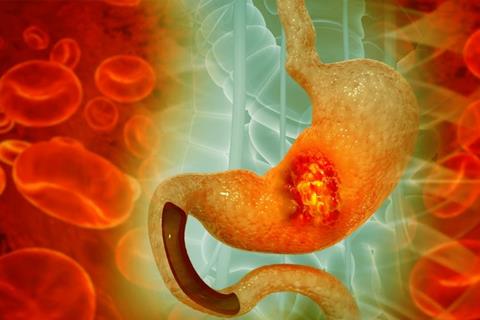
The Committee for Medicinal Products for Human Use (CHMP) has recommended AstraZeneca’s Imfinzi (durvalumab) alongside standard-of-care chemotherapy in early gastric and gastroesophageal cancers.
It is the first immunotherapy-based perioperative regimen to significantly extend survival for this indication. Imfinzi monotherapy is already approved for these patients in the US and other countries.
The European Medicines Agency (EMA)’s recent positive opinion relates to use of the biologic with fluorouracil, leucovorin, oxaliplatin, and docetaxel (FLOT) in adults with resectable, early-stage and locally advanced forms of the disease.
The agency’s decision was based on event-free survival and overall survival data from the Matterhorn phase III trial.
Imfinzi plus FLOT demonstrated a durable, increasing long-term survival benefit in the Matterhorn trial, with more than two-thirds of patients alive at three years"
Susan Galbraith, Executive Vice President, Oncology Haematology R&D, AstraZeneca, said: “Imfinzi plus FLOT demonstrated a durable, increasing long-term survival benefit in the Matterhorn trial, with more than two-thirds of patients alive at three years.”
Specifically, an estimated 69 percent of patients treated with the Imfinzi-based regimen were still alive, with only 62 percent attaining this outcome in the comparator arm.
Furthermore, an estimated 78.2 percent of patients were event-free at one year, with 74 percent in the comparator arm. At 24 months, this survival rate was 67.4 percent and 58.5 percent, respectively.
Notably, final overall survival analysis showed the regimen reduced the risk of death by 22 percent compared to chemotherapy alone.
Interim analysis data found the regimen enabled a 29 percent reduction in the risk of disease progression, recurrence or death compared to chemotherapy.
Dr Josep Tabernero, PhD, Principal Investigator in the Matterhorn trial, said: “This recommendation signals a major step forward for patients in the EU with early gastric and gastroesophageal junction cancers, who have historically faced high rates of recurrence and poor long-term outcomes despite curative-intent surgery and chemotherapy."
The event-free survival results were presented at the 2025 American Society of Clinical Oncology (ASCO) Annual Meeting and published in The New England Journal of Medicine.