




news
FDA approval for Janssen’s prostate cancer treatment
The US FDA approval of Akeega (niraparib and abiraterone acetate) is based on positive results from the Phase III MAGNITUDE study.
List view / Grid view
The US FDA approval of Akeega (niraparib and abiraterone acetate) is based on positive results from the Phase III MAGNITUDE study.
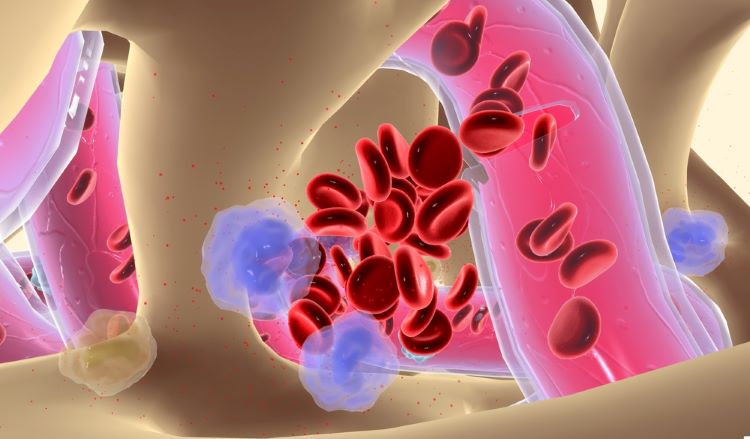
Accelerated US approval of a first-in-class bispecific antibody (BsAb) therapy offers a new option for a difficult-to-treat blood cancer.
An investment of $50 million by Astellas Pharma in Poseida Therapeutics’ Phase I allogeneic CAR-T product candidate for solid tumour indications is set to advance the cancer immunotherapy field.
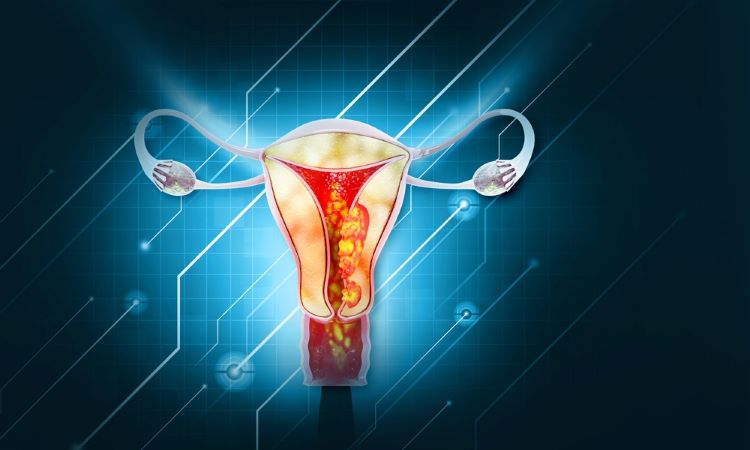
The first new treatment option approved for mismatch repair deficient (dMMR)/microsatellite instability-high (MSI-H) primary advanced or recurrent endometrial cancer in decades has been authorised by the US Food and Drug Administration (FDA).


As the next stage of their co-development of vepdegestrant, the Medicines and Healthcare products Regulatory Agency (MHRA) has granted Pfizer and Arvinas its Innovation Passport to advance development of the oestrogen receptor (ER) degrader for ER+HER2- breast cancer.
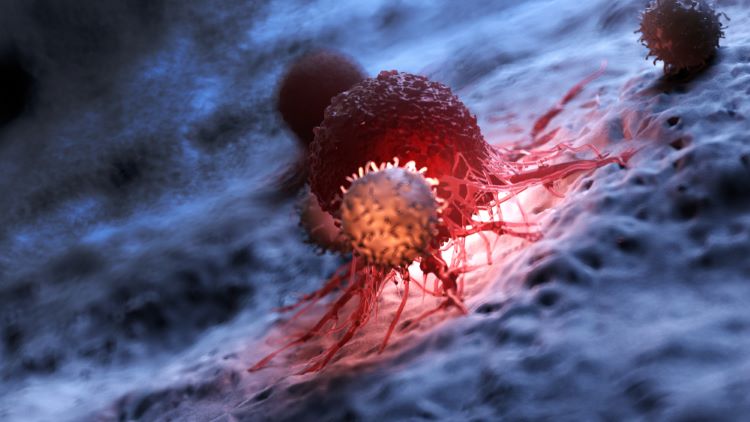
Topline data from a Phase II trial signify a significant step forward for ENHERTU® (trastuzumab deruxtecan) in its potential to provide a new option in HER2 expressing cancers.


Key data from a Phase II trial of a potentially first-in-class CSF-1R monoclonal antibody for chronic graft-versus-host disease (GVHD) has been released.
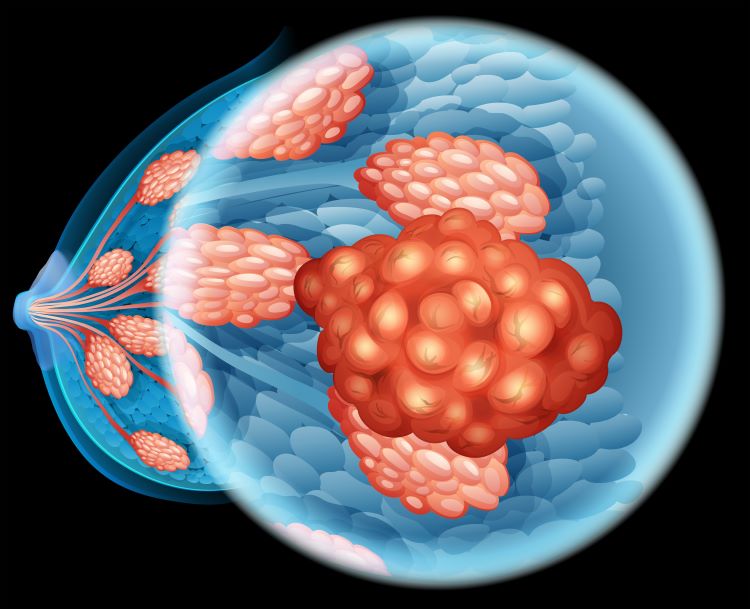
If approved by the European Commission (EC), ORSERDU® (elacestrant) would be the first treatment for ER+, HER2- advanced or metastatic breast cancer tumours with ESR1 mutations.


An agreement to obtain a global license for KSQ Therapeutics’ small molecule USP1 inhibitor, which has potential to treat a variety of cancers, has been signed by Roche.


Jessicca Rege of Alkermes provides insights into how protein engineering approaches have led to the development of novel therapies that harness the immune system’s capabilities to fight cancer.


The Pharmaceutical Research and Manufacturers of America (PhRMA) has highlighted in a new report five R&D mechanisms that could facilitate full clinical value of oncology treatments after initial approval from the US Food and Drug Administration (FDA).
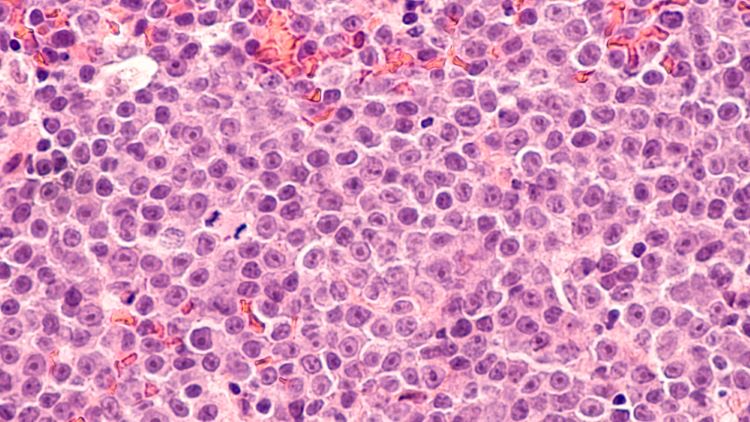
European approval of the bispecific antibody treatment has the potential to change the current standard of care in diffuse large B-cell lymphoma (DLBCL).
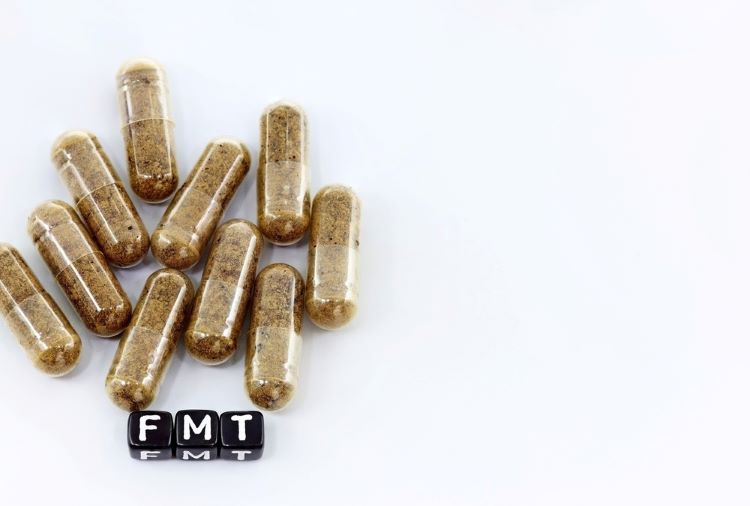
In the first clinical trial of its kind, faecal microbiota transplants (FMT) were shown to improve immunotherapy response in advanced melanoma.
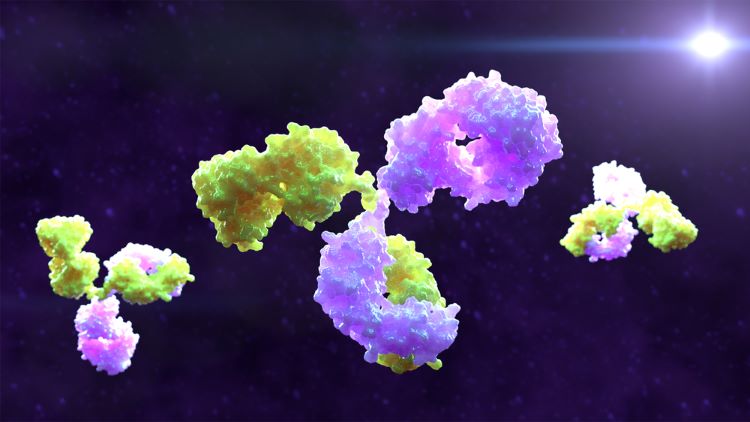
The US Food and Drug Administration (FDA) has approved the first bispecific antibody with a fixed-duration treatment in (R/R) diffuse large B-cell lymphoma (DLBCL).
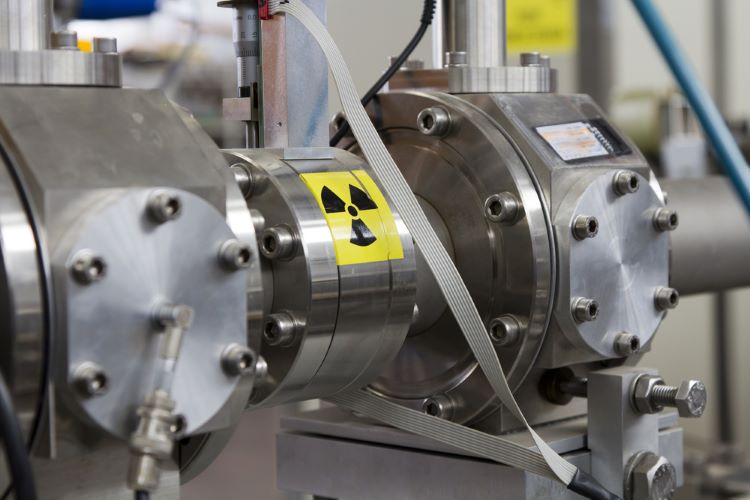
The new German facility has Industry 4.0 capabilities and will produce radionuclides to help meet the rising demand for radiopharmaceuticals.

