



news
New ethical guidance for paediatric clinical trials
New draft guidance by the US Food and Drug Administration (FDA) evaluates the ethics of children participating in clinical studies.
List view / Grid view
New draft guidance by the US Food and Drug Administration (FDA) evaluates the ethics of children participating in clinical studies.
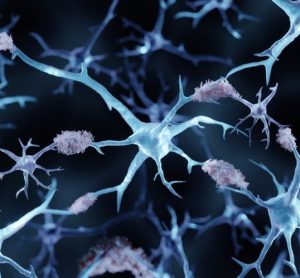

The Critical Path for Rare Neurodegenerative Diseases (CP-RND) partnership was launched to develop breakthrough treatments for neurodegenerative diseases like amyotrophic lateral sclerosis (ALS).


With a growing number of therapies under development for rare diseases, ICON’s Dr William Maier discusses how real-world evidence (RWE) can be effectively used as a historical control (HC), overcoming challenges presented in clinical development.
How is the implementation of artificial intelligence, machine learning and virtual reality shaping the microbiology lab of the future? What do these innovations mean for personnel? Find out in this episode with AstraZeneca...


Biosimilar medicines can now be interchanged with their reference medicine or an equivalent biosimilar, says European Medicines Agency (EMA).


EPR highlights a green high performance liquid chromatography (HPLC) method that successfully determined four common antipsychotics in formulation.


Highlighting the findings of a recent supply chain report, EPR’s Hannah Balfour discusses measures pharmaceutical suppliers may adopt to establish demand- and crisis-resistant supply chains. Commenting on the findings, Ernst & Young Global Limited colleagues Famke Krumbmüller, Derron Stark and Olaf Zweig elaborate on the impact and lessons learned through…

Here IQVIA’s Dr Sophie Jouaville discusses the importance of risk minimisation measures, how their effectiveness can be assessed and why transparent reporting of these effectiveness studies is crucial.
Discover the common compliance concerns encountered when using spectroscopy instruments for QC, as well as how to rectify them in this episode with Agilent Technologies.


In this article, Recipharm’s Joe Neale explores how learnings from the COVID-19 pandemic can be applied in the future and asks how nasal administration could help our fight against tomorrow’s outbreaks.
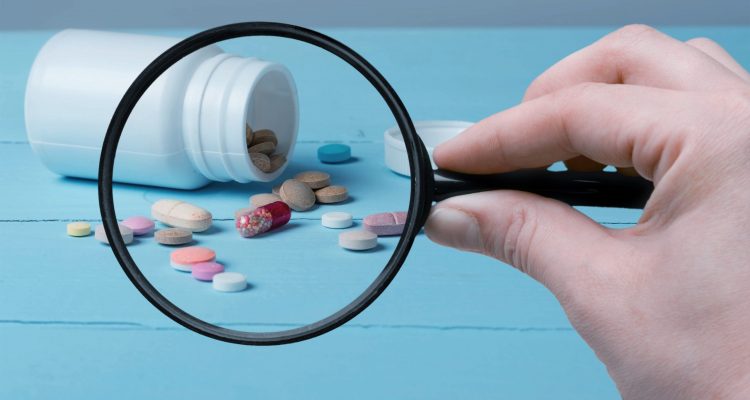
Reviewing the active pharmaceutical ingredient (API) content in essential medicines failing quality analyses in low- and middle-income countries (LMICs) reveals that more than 12 percent are substandard or falsified.
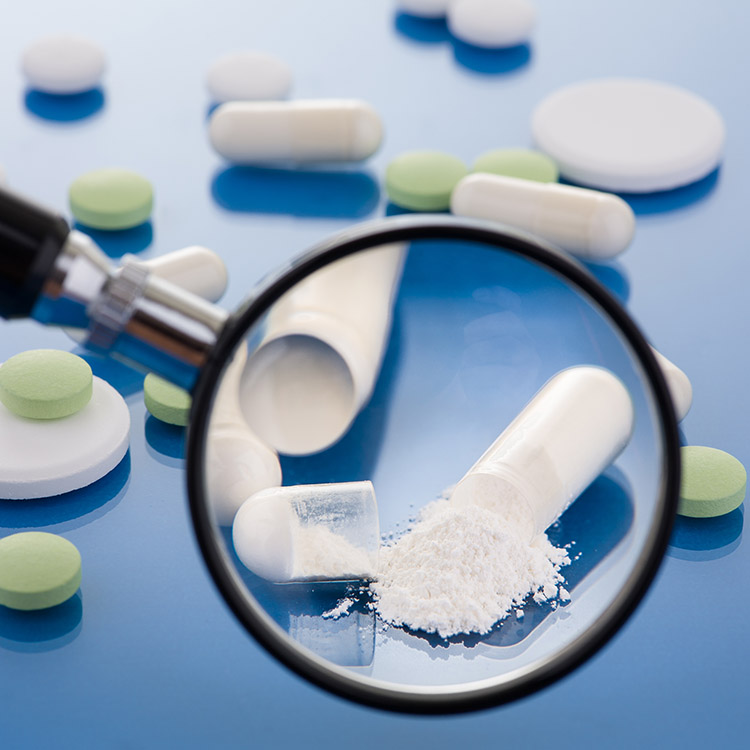
Here, David Elder discusses the risks presented by active pharmaceutical ingredient nitrosamines and explains how European and US guidance differs on their acceptable levels.


A new health technology regulation is due to be applied to help EU countries determine the effectiveness of novel technologies and decide on pricing and reimbursement by health insurers or health systems. Here, Professor Vincenzo Salvatore and Giuseppe Ragucci from BonelliErede reflect on what this means for the UK and…


The coronavirus pandemic encouraged biopharmaceutical companies to adopt smarter approaches to vaccine development. Here, Vishnu Kumar and Soundar Kumara from Pennsylvania State University, and Vijay Srinivasan from National Institute of Standards and Technology (NIST), explore the emergence of platform-based vaccine technologies and their potential expansion to treat other life-threatening diseases.


Antibody-drug conjugates (ADCs) are designed to be highly-targeted therapies with the potential to maximise the potency of a treatment while reducing unwanted side effects on healthy tissues. Some 20 years after the first ADC product approval, Dominik Schumacher and Jonas Helma-Smets of Tubulis GmbH discuss how improved and optimised technologies…

