




news
Biomanufacturing framework could boost microbial production efficiency
Research findings support the design of robust microbial processes for pharmaceutical products.
List view / Grid view
Research findings support the design of robust microbial processes for pharmaceutical products.


Novel approach holds potential to reduce the industry’s dependence on coconut and palm oil extraction for bioproduction of short- and medium-chain fatty acids.
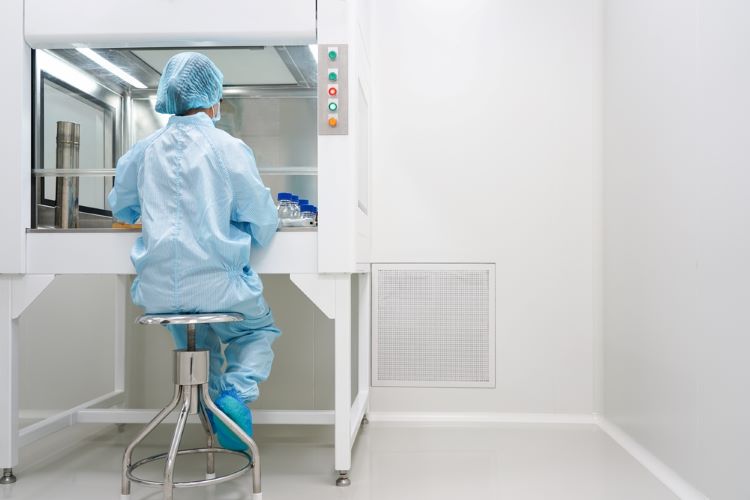
Troy Wright, Senior Vice President and Global Head of Quality at Abzena, shares an overview of current major challenges within pharmaceutical microbiology quality control, including the lack of staff knowledge in advanced technologies and how the sector’s importance can be overlooked, despite its key role in bringing safe, quality products…
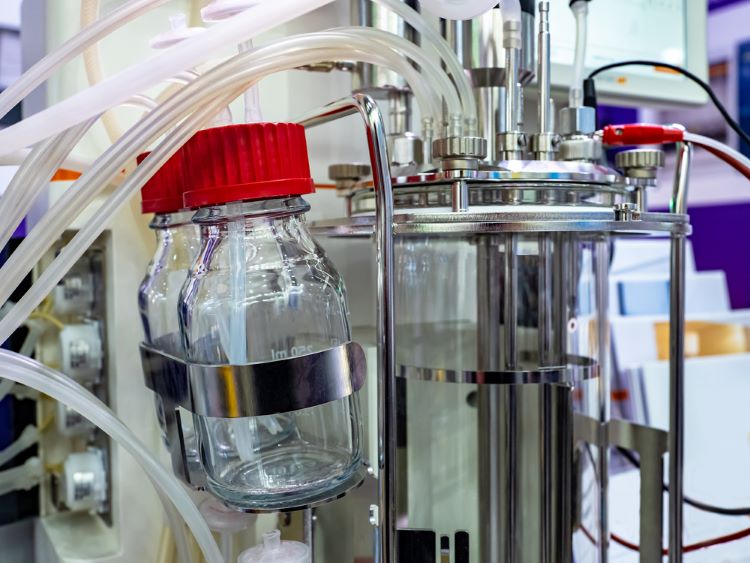
Advancement in technology like automation is boosting the adoption of single-use technology rocking bioreactors in the bioprocess market, research says.
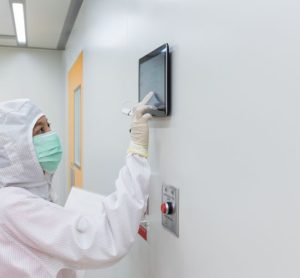

Gill Lewis, QP and Chief GMP Consultant, eXmoor Pharma. discusses the company's approach to environmental monitoring and the key challenges faced during integration at its Cell and Gene Therapy Centre in Bristol, a facility which received a GMP license from the MHRA in August.


The automated system “significantly improved process control”, resulting in greater productivity of a small-molecule drug substance.


The method has potential in both biomanufacturing and production of autologous cell therapies, the research suggests.


This in-depth focus features articles on single temperature incubation, endotoxin standards and aseptic connections in pharmaceutical manufacturing.


According to the paper, the control strategy for rapid bioburden testing provides manufacturers with enhanced capabilities for process control.


In our third instalment of EPR's exclusive ‘Microbiome therapeutics: microscope to medicine’ series, Tue Hodal, Chief Technology Officer and Lorenz Rindisbacher, Chief Quality Officer, Bacthera, explore how live biotherapeutic products (LBPs) represent a transformative shift in medicine, highlighting their unique challenges and potential.


Model Predictive Control (MPC) “stands out as a beacon of advanced control” in continuous manufacturing, through its ability to enhance efficacy within bioproduction, research suggests.
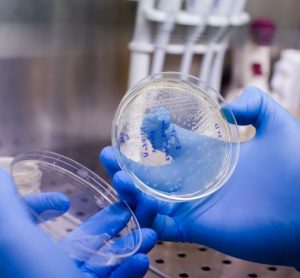
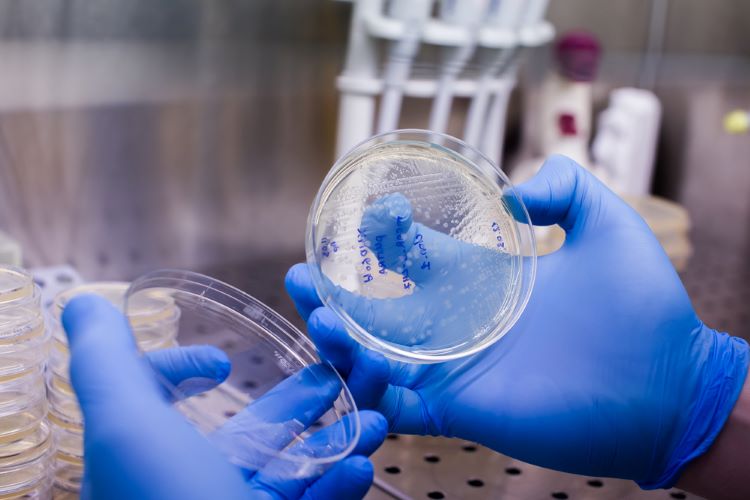
A new 24-hour sterility testing method combining nanopore sequencing and machine learning could revolutionise sterility assurance in biopharmaceutical manufacturing of cell therapies.
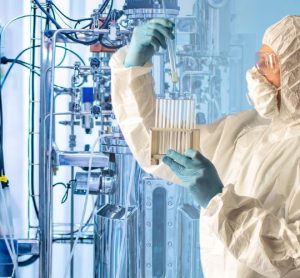

To support upstream bioprocess development, a study has demonstrated real-time monitoring of the growth phase in a 3D printed, single-use bioreactor.
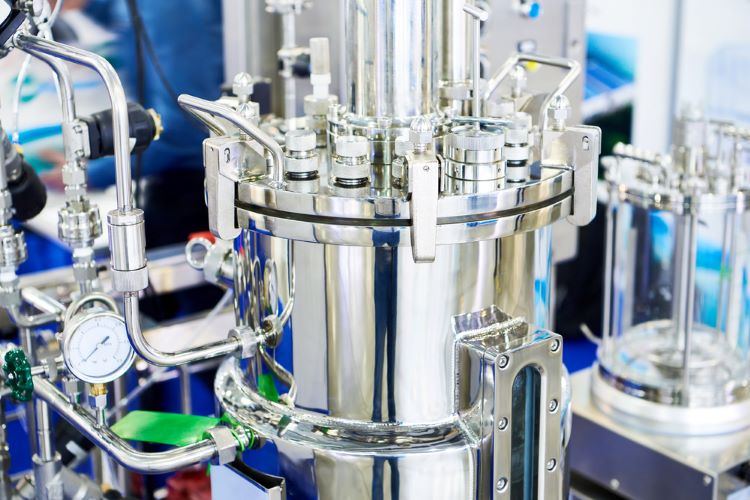
The PAT-based approach is the first of its kind to prevent membrane fouling when using a robust single-pass tangential flow filtration (SP-TFF) operation in bioprocessing, according to a paper.


A microbial gene therapy can “eliminate antibiotic-resistant E. coli strains in the gut”, according to first-in-human study interim results.

