

Study reveals the risk inactive ingredients pose
Posted: 20 June 2019 | Victoria Rees (European Pharmaceutical Review) | No comments yet
Researchers have found that many pharmaceutical products contain inactive ingredients which can be dangerous to patients.
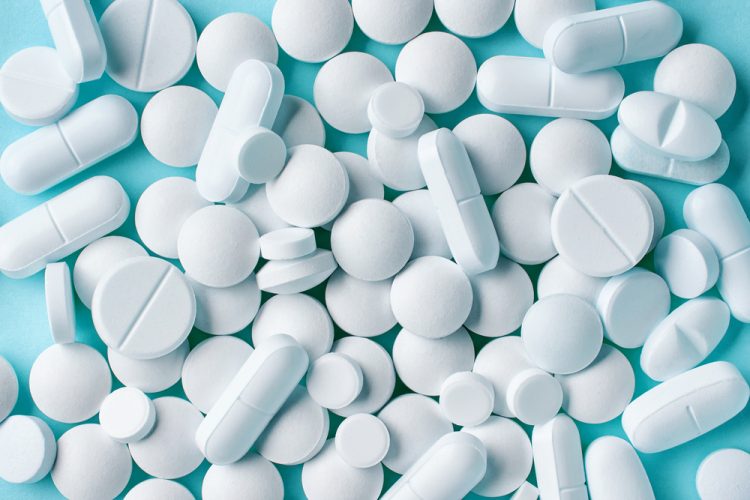
Researchers at Harvard Medical School have completed a study into the inactive ingredients within pharmaceutical products and how these can be a risk.
Many pharmaceutical products, especially pills, contain inactive ingredients. This can include fatty acids to help the absorption of the medicine or lactose and sugars to bind the ingredients together.
They found that the average pill contains nine inactive ingredients, however they discovered some medicines can contain up to 35. The average pill was discovered to be 75 percent inactive ingredient.
However, ingesting these inactive ingredients can be a risk to some patients. A common danger comes from intolerances. These can be towards fermentable oligosaccharides, disaccharides, monosaccharides, and polyols (FODMAPs) and are very common. The study found that 55 percent of all oral medications contain at least one FODMAP.
A more severe reaction could come from an allergic reaction. The team found 38 inactive ingredients which were potential allergens such as peanut oil and gluten. Ninety-three percent of the medicines the researchers tested had at least one potential allergen.
The researchers “are not suggesting that inactive ingredients should be removed. They play critical roles with respect to how medications work at every level,” says Dr Giovanni Traverso, one of the authors of the study. “But inactive ingredients can, in fact, be quite active: they can cause bothersome symptoms or worse.”
The findings were published in Science Translational Medicine.