




news
AI-discovered IL-17 inhibitor from Ascletis Pharma shows best-in-class potential
New phase I data suggests the oral small molecule ASC50 could help address immunology conditions such as psoriasis.
List view / Grid view
New phase I data suggests the oral small molecule ASC50 could help address immunology conditions such as psoriasis.


15 December 2025 | By Mettler Toledo
Join this webinar to gain insight about the changes to United States Pharmacopeia (USP) General Chapters 41 and 1251 on balance requirements for quality control.

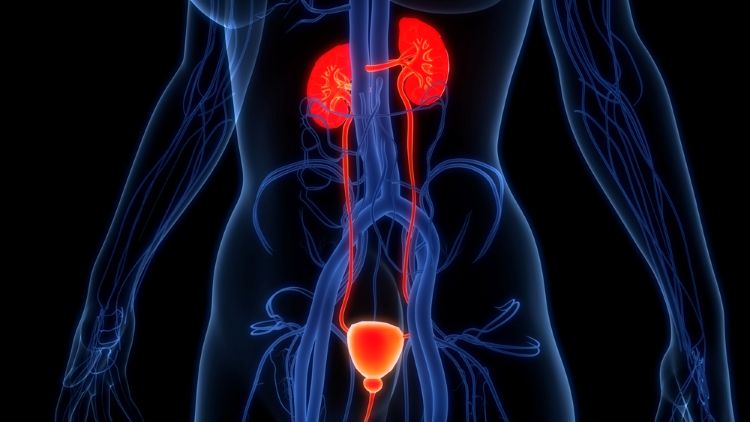
The EMA’s human medicines committee also recommended approval of drugs by GSK, Moderna, STADA, Lupin Europe and Cytokinetics.
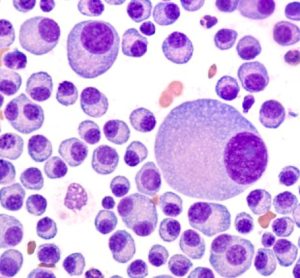
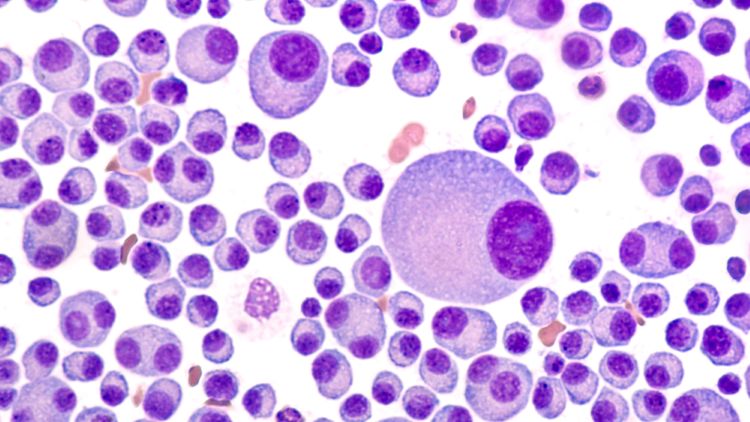
The combination of two J&J biologics demonstrates a significantly improved treatment response for the most aggressive form of multiple myeloma in new phase II data.

The move builds on its recent billion-dollar acquisition of the obesity-focused biopharma company Metsera.


The $11bn collaboration with the Chinese biopharma company gives Takeda the rights to several next-generation candidates.
The FDA’s latest authorisation makes it the most widely approved of any CD19-directed CAR T therapy in cancer.


The monoclonal antibody becomes the first neonatal Fc receptor (FcRn) blocker to be approved in Europe for the condition.


The in vivo, one-time gene editing therapy has potential to transform outcomes for alpha-1 antitrypsin deficiency (AATD).


2 December 2025 | By Emerson
Is operational complexity limiting your performance? Discover how autonomous technologies are reducing risk and improving quality in pharma organisations.


EPR Issue 4 includes articles on manufacturing, AI/ML, vaccine development, biologics and more.
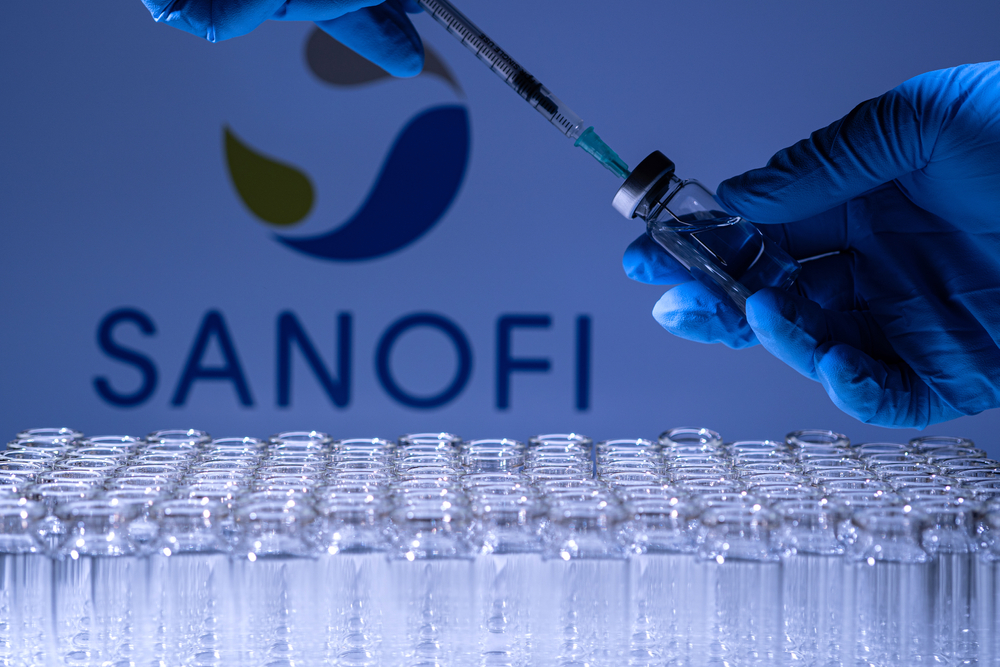
European approval of Sanofi and Regeneron’s monoclonal antibody provides eligible urticaria patients with a new first-line targeted treatment option.

Decision provides UK Alzheimer’s patients with an alternative administration method for Eisai and Biogen’s antibody drug.


Dr Carole Ho joins from Denali Therapeutics and there are promotions for Adrienne Brown and Daniel Skovronsky.


The medicines regulator will aim to take a more flexible licensing approach for the research and manufacture of rare disease therapies in the UK.

