




news
European Commission licenses first treatment for acanthamoeba keratitis
Following its European approval, the small molecule treatment is set to become the standard of care for patients with the ultra-rare disease.
List view / Grid view
Following its European approval, the small molecule treatment is set to become the standard of care for patients with the ultra-rare disease.


The first new dementia medicine to be licensed in over two decades shows for first time, that the course of Alzheimer disease can be modified and slow cognitive decline.


As a promising treatment for type 2 diabetes and obesity, based on key trial data, the market for glucagon-like peptide-1 receptor (GLP-1R) therapies looks set to generate major sales up to 2030.

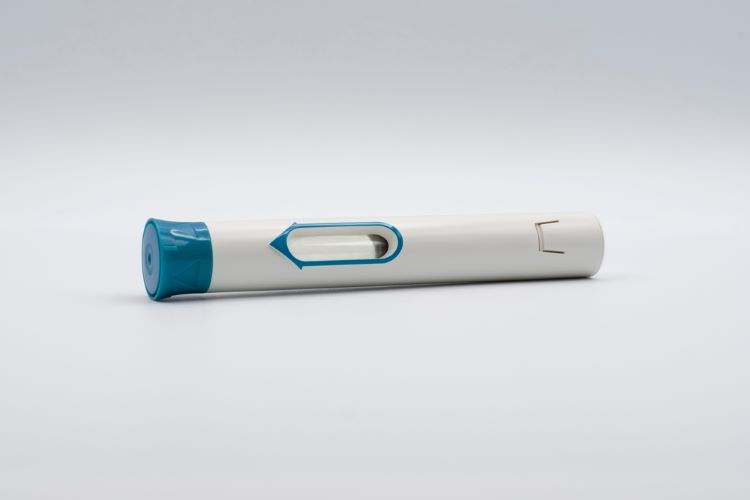
The biologic treatment targets a key driver of prurigo nodularis, with trial data demonstrating improved itch as well as skin nodules for patients with the condition.


This article summarises some of the recent notable drug approvals in the EU and US, including a gene therapy and an enzyme replacement therapy.


Overall, Sangamo Therapeutics will be eligible up to $1.9 billion from Genentech, which includes various milestone and royalty payments.
The planned €1.3 billion investment will result in the new German facility replacing the company’s existing insulin production plants.


The accelerated approval by the US Food and Drug Administration (FDA) authorises the first engineered cell therapy for a solid tumour in the US.


From exciting data on cell therapy and monoclonal antibodies, through to new regulatory developments, this article summarises some of the key developments within the Alzheimer’s therapeutic landscape over July.


Biopharma companies that experienced strong revenue growth due to COVID-19 drug sales have been overtaken by companies that developed obesity drugs in 2023, GlobalData suggests.


In its July meeting, the EMA’s human medicines committee recommended 14 medicines and held a negative opinion for authorising lecanemab to treat Alzheimer’s disease.

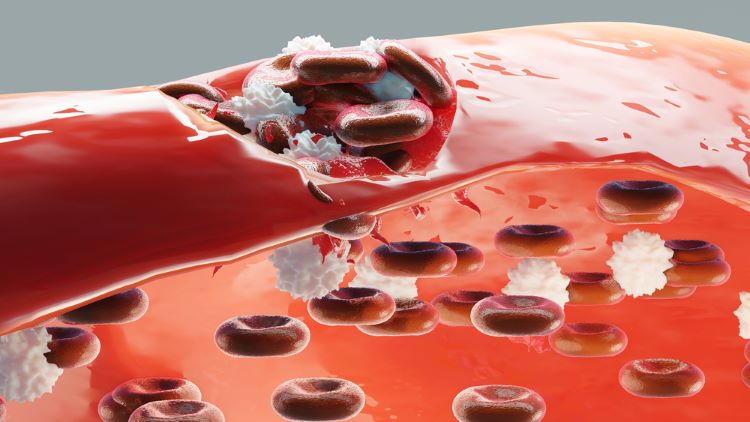
The single-dose gene therapy was approved for certain patients with haemophilia B in the US and Canada earlier this year, marketed as BEQVEZ.


The agreement relates to an innovative therapeutic for the most common paediatric brain cancer, where outside the US, there is no approved targeted treatment for certain patients.


Inauguration of the new facility supports BeiGene’s goal to develop affordable and accessible cancer treatments for patients globally.


The UK Medicines and Healthcare products Regulatory Agency (MHRA)’s novel approval means that certain patients with HIV have more options for treatment.

