



news
Endotoxins research supports recombinant reagent use for pharma QC
Replacing LAL reagents with animal-free alternatives addresses industry commitments to improve QC practices’ ethics and sustainability.
List view / Grid view
Replacing LAL reagents with animal-free alternatives addresses industry commitments to improve QC practices’ ethics and sustainability.
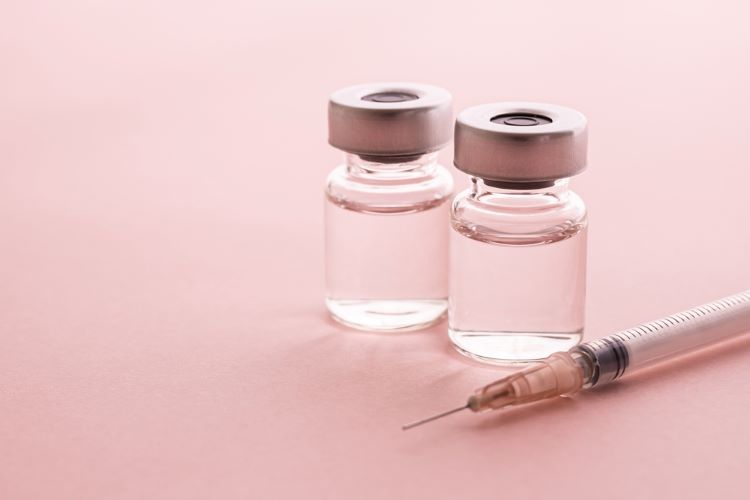
The pharmaceutical industry faces mounting pressure to modernise its testing methods, driven by concerns over animal welfare, sustainability, and the need for more reliable results. Following a recent webinar, Fujifilm Wako discusses its Pyrostar™ Neo+ reagent and reveals how recombinant technology is transforming endotoxin testing while addressing evolving industry demands.
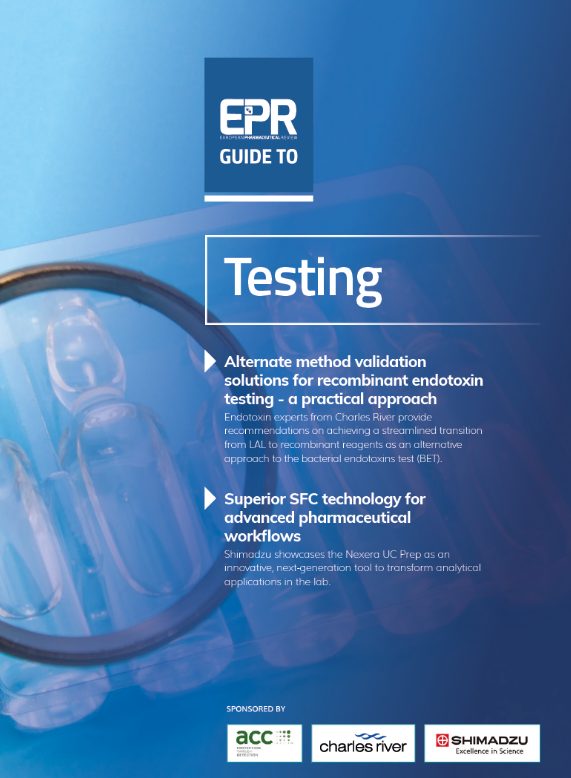
In this Guide to Testing, articles explore method validation for endotoxin testing and using advanced chromatography solutions for analytical laboratory applications.


The research highlights a potential approach to address cross-contamination challenges during cell-processing operations.
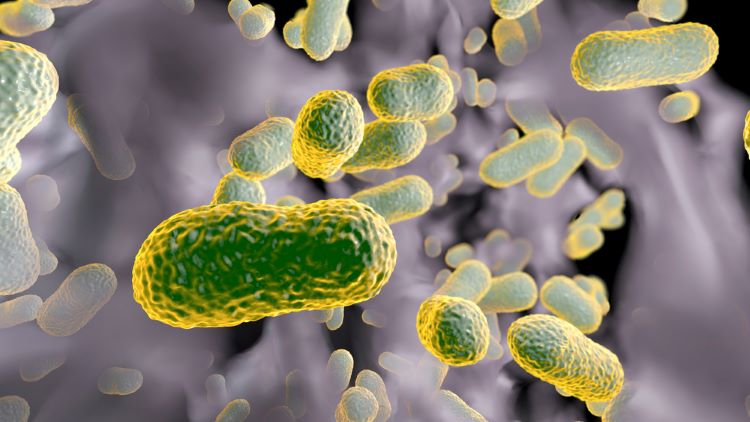
The system is distinguishable from other bacterial expression systems and can be applied in scenarios where minimal endotoxin contamination is an issue, according to the research.
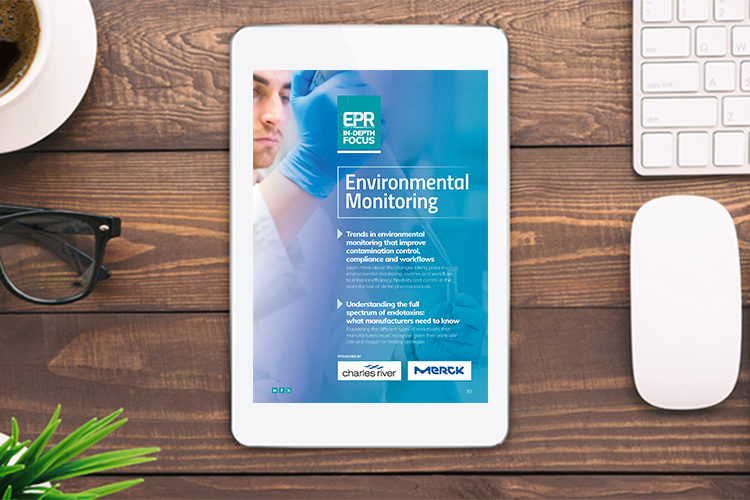
This in-depth focus features articles on environmental monitoring trends such as digitalised management of EM data, as well as endotoxin detection.
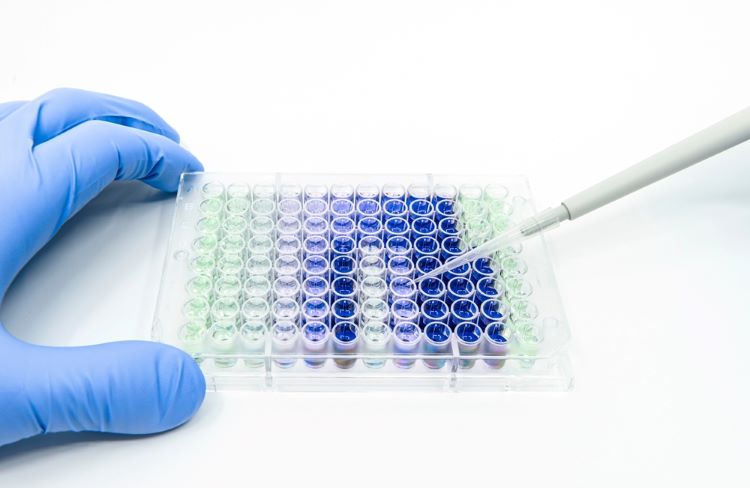
The Chapter for endotoxin testing using non-animal derived reagents will help quality professionals ensure the safety of sterile pharmaceutical products.

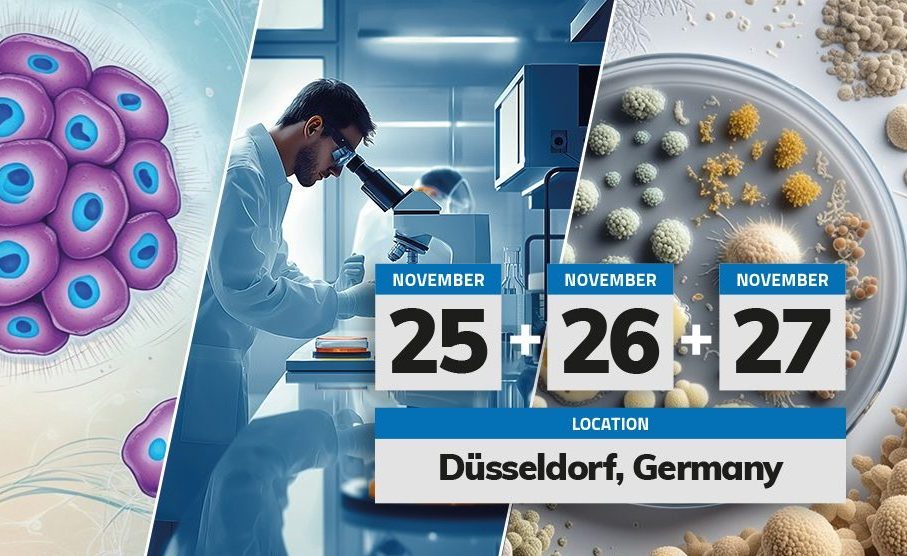
Find out what is on offer for pharma professionals working in analytical development and microbiology QC at the 12th PharmaLab Congress being held in Germany in 2024.


Veronika Wills, Associate Director, Global Technical Services at Associates of Cape Cod, Inc (ACC), discusses in-depth, motivations and strategies surrounding the use of recombinant reagents for bacterial endotoxin testing.
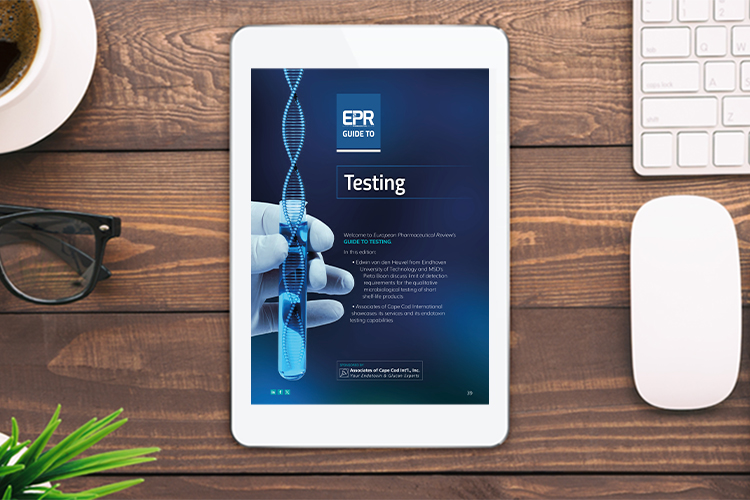
In this Guide to Testing articles explore limit of detection requirements for microbial testing of short-shelf-life products and sustainable endotoxin testing.
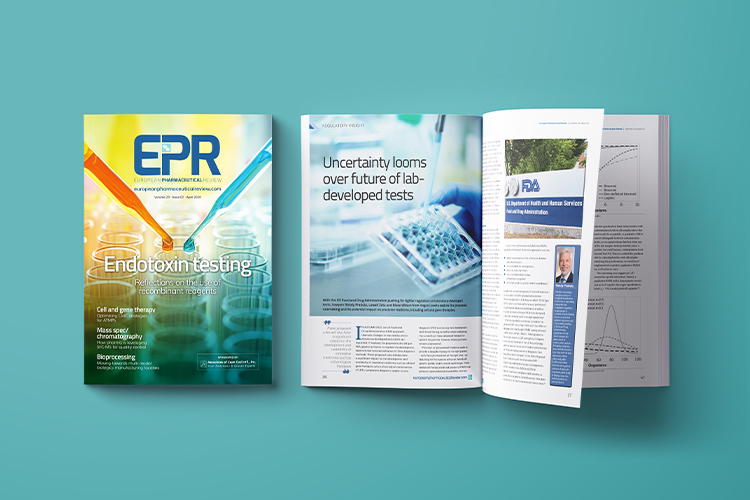
European Pharmaceutical Review Issue 2 includes articles on cell and gene therapy, from supply chain and manufacturing to microbial testing.
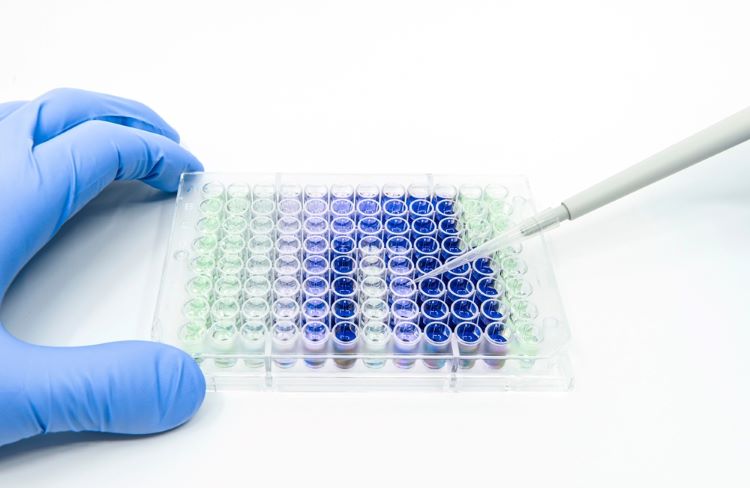
If the proposed USP Chapter < 86 > on using non-animal derived reagents is approved, it will be published for early adoption in November 2024, USP states.
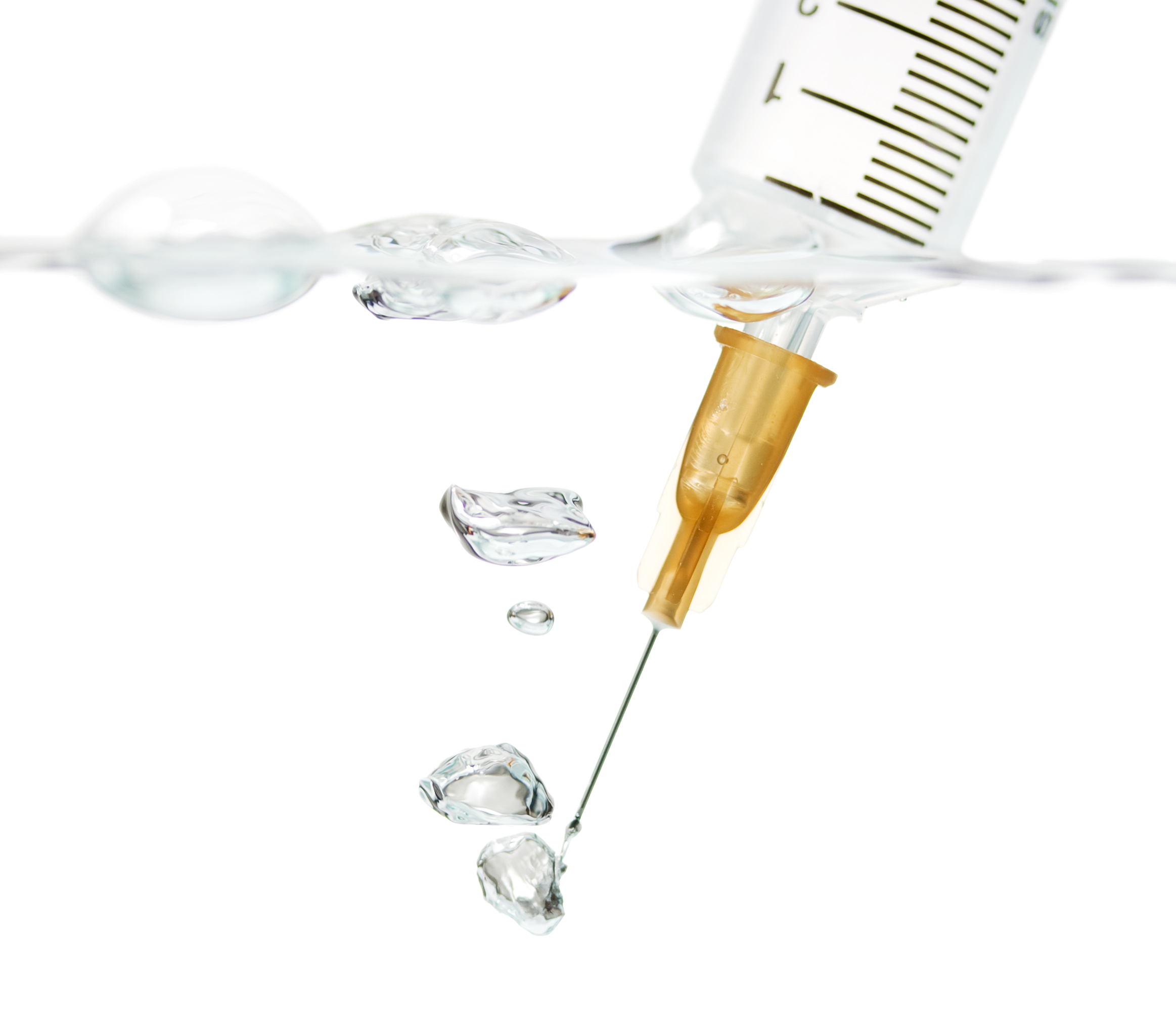
As of 1 April, two European Pharmacopoeia monographs allow the use of rFC to test for bacterial endotoxins in pharmaceutical waters.


In this extract from EPR’s Pharma Horizon’s report, Evelyn Der, Lindsey Silva and Carmen Marín Delgado de Robles from Roche Group discuss the regulatory guidelines for bacterial endotoxin testing and the move towards adoption of recombinant methods.
This report is dedicated to exploring some of the latest advances in pharmaceutical environmental monitoring, covering topics from contamination control and cleanroom validation through to emerging technologies for bacterial endotoxin testing.

