

news
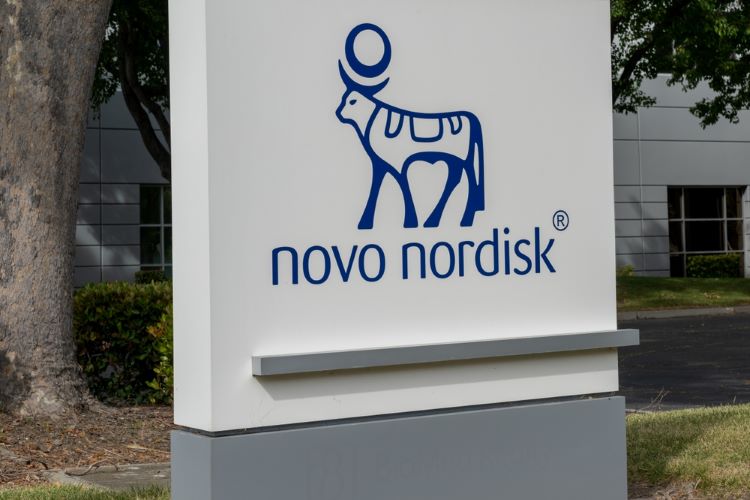
US oral GLP-1 first as Novo Nordisk launches Wegovy pill
The obesity drug’s new formulation gains an important opportunity to define the market before regulators finish assessing Lilly’s rival orforglipron.
List view / Grid view
The obesity drug’s new formulation gains an important opportunity to define the market before regulators finish assessing Lilly’s rival orforglipron.
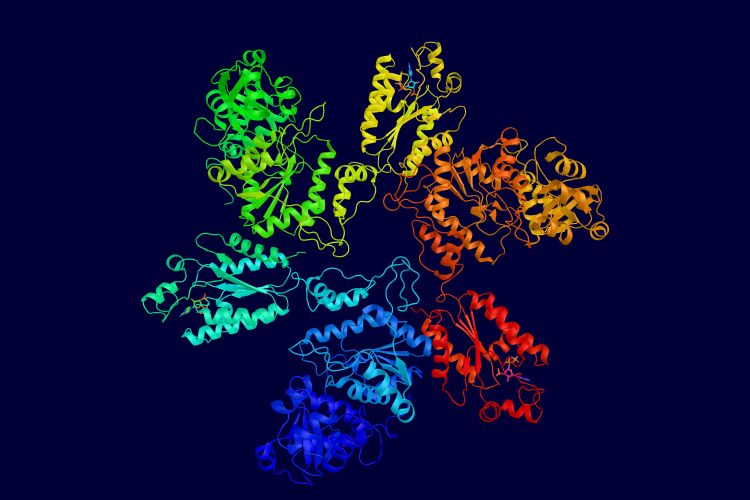
Here, Alan Nafiiev, CEO and founder of Receptor.AI, discusses the benefits of using large language models to integrate literature evidence and structural prediction to accelerate binding site identification.

The impurities research illustrates an approach that could offer a simpler and more flexible downstream purification process.

And as the Critical Medicines Act advances, so too does the Biotech Act, with the moves attracting mixed support from the region’s pharma industry.
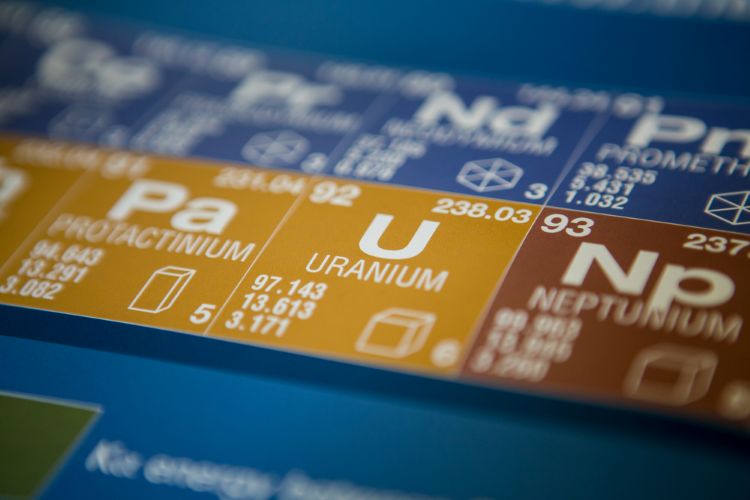
UK biotech commits to scale up of 228Th extraction and a long-term supply agreement to facilitate production of thousands of doses of 212Pb for cancer therapies annually.

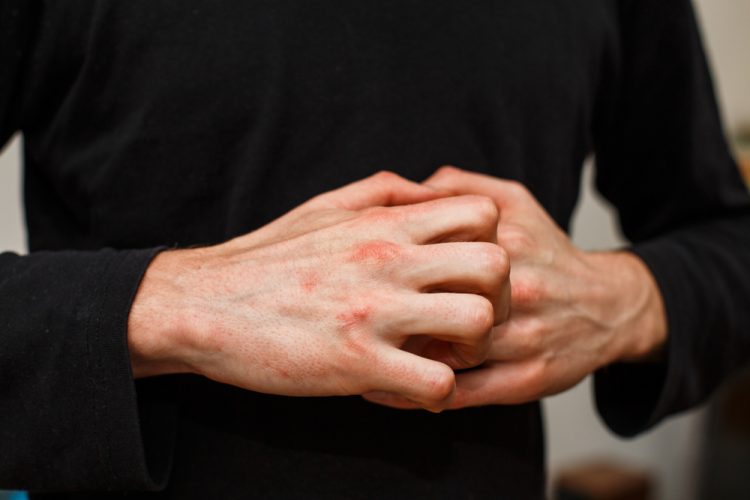
New phase I data suggests the oral small molecule ASC50 could help address immunology conditions such as psoriasis.
The EMA’s human medicines committee also recommended approval of drugs by GSK, Moderna, STADA, Lupin Europe and Cytokinetics.


Here, Hexagon outlines a four-step plan to address silos and scale-up challenges, drawing on the experience of leading pharma firms like Pfizer.

Progress made in the region’s approach to critical medicines and antibiotics as the EU Council and EU Parliament agree a new deal.


Announcement of Eli Lilly and Company's fourth new US manufacturing plant is expected within the next few weeks.

The US approval for the Ayrmid company’s novel transplant option Omisirge adds to its existing licence in haematological malignancy.
CDMOs weigh up how to meet manufacturing demands across oral solid doses, monoclonal antibodies, ADCs and beyond.
The Ph. Eur. Commission also adopted seven new monographs and two new general chapters at its recent 183rd session.
The $11bn collaboration with the Chinese biopharma company gives Takeda the rights to several next-generation candidates.
The FDA’s latest authorisation makes it the most widely approved of any CD19-directed CAR T therapy in cancer.

