




news
Developing the production of the radioisotope Tc-99m within the US
A team of university researchers have collaborated together to develop a method to produce the radioisotope Tc-99m in the US to prevent having to import it...
List view / Grid view
A team of university researchers have collaborated together to develop a method to produce the radioisotope Tc-99m in the US to prevent having to import it...


Researchers have outlined a method of formulating drug-like aliphatic and aromatic carbon-hydrogen scaffolds into drugs using a metal catalyst...


Deloitte has found a sharp decline in the returns on investment from top pharmaceutical companies, with returns at almost half of what they were in 2010...
The introduction of ICH Q3D (Guideline for Elemental Impurities)1 was an additional safety-based guidance for toxic impurities that complemented the existing ICH Q3C(R5) (Impurities: Guideline for residual solvents)2 and ICH M7(R1) (Assessment and control of DNA reactive (mutagenic) impurities in pharmaceuticals to limit potential carcinogenic risk);3 as well as the…
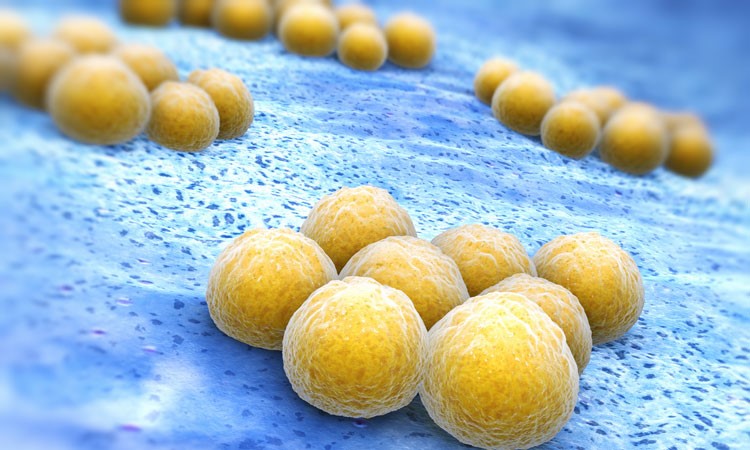
The contamination of pharmaceuticals by microorganisms represents a major threat to public health, not just in the USA and Europe, but all around the world. Pathogenic microorganisms cause morbidity and in some cases mortality when present in products.1,2 Spoilage due to microbial breakdown of formulations can affect potency and shelf…


The FDA’s Quality by Design (QbD) initiative brought a paradigm shift to pharmaceutical manufacturing and leading manufacturers have realised improved processes after adopting QbD. Raman spectroscopy is an established Process Analytical Technology (PAT), enabling QbD and continuous approaches to pharmaceutical manufacturing.1
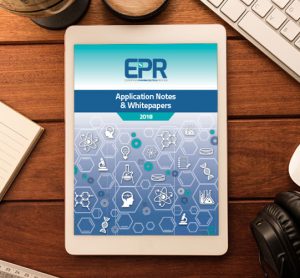

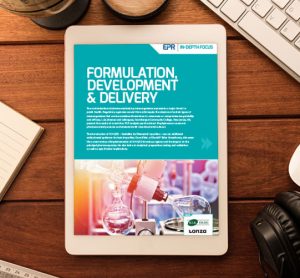
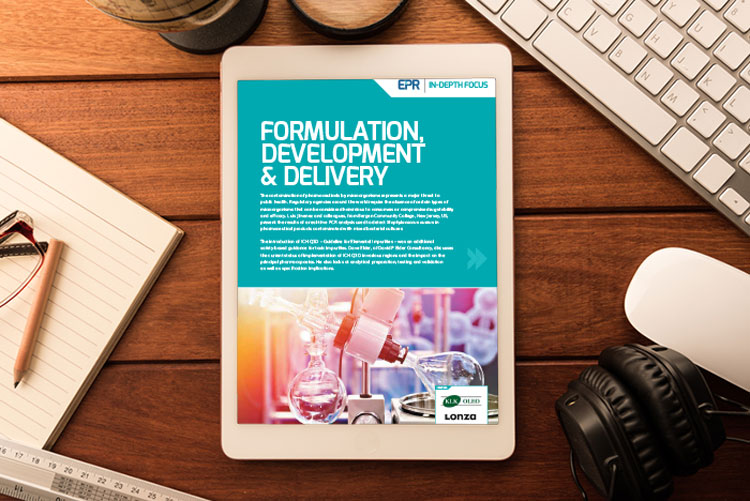
In this supplement: Real-time PCR detection of Staphylococcus aureus in pharmaceutical products contaminated with mixed bacterial cultures, and an ICH Q3C(R5) elemental impurities update.
Centrifugal partition chromatography (CPC) is a silica-free method, using two immiscible liquids as stationary and mobile phases...
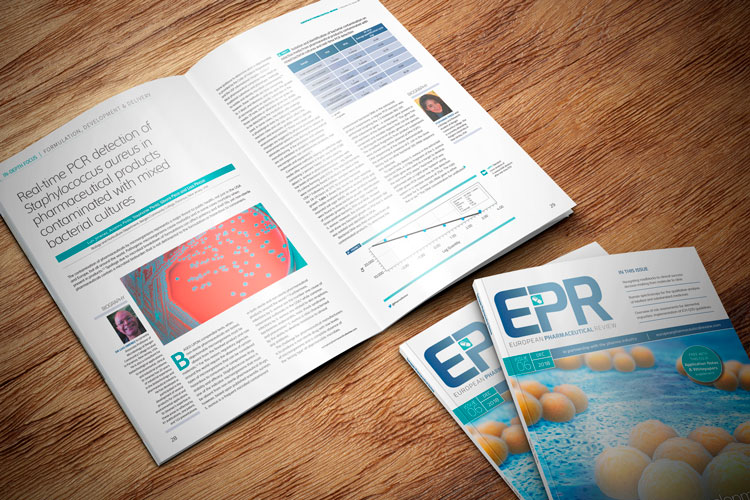
In this issue: Navigating roadblocks to clinical success: decision-making from molecule to clinic, Raman spectroscopy for the qualitative analysis of falsified and substandard medicines, and an overview of risk assessments for elemental impurities: implementation of ICH Q3D guidelines.
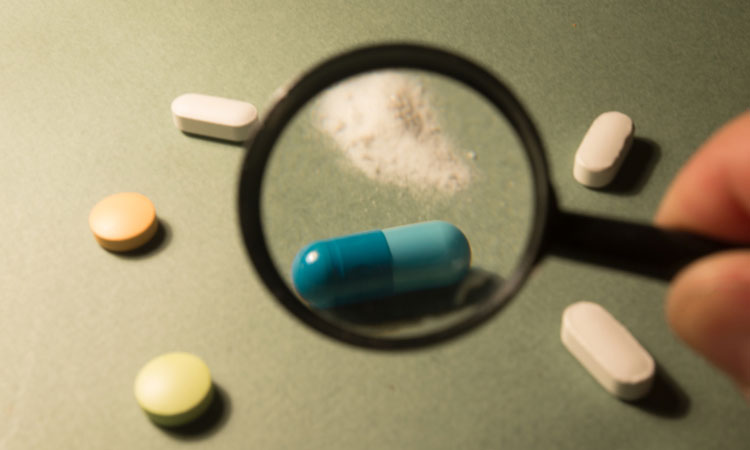
It is paramount that manufacturers and their suppliers ensure that the quality of compounded drugs are high, by preventing risks of contamination...


The purpose of process development in pharma is to select and optimise a synthetic route to produce the active pharmaceutical ingredient (API) by the safest, cheapest, fastest, and cleanest (by green chemistry where possible) route, following both Good Laboratory Practice (GLP) and Quality by Design (QbD) principles.
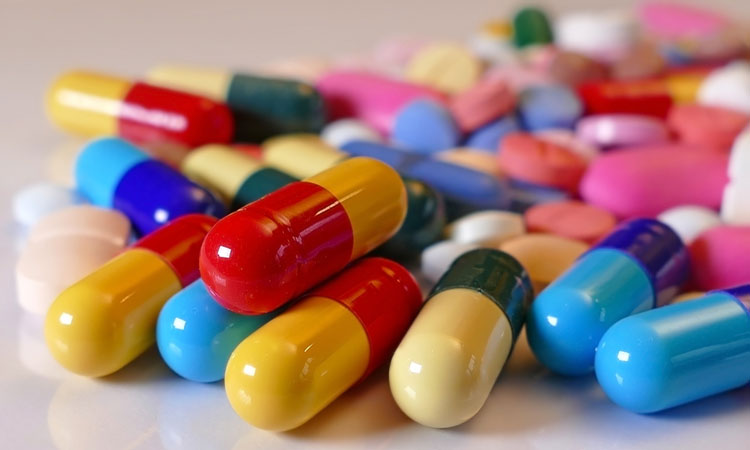
The development of a drug that could be used to save women from postpartum hemorrhaging, could save many thousands of women each year...
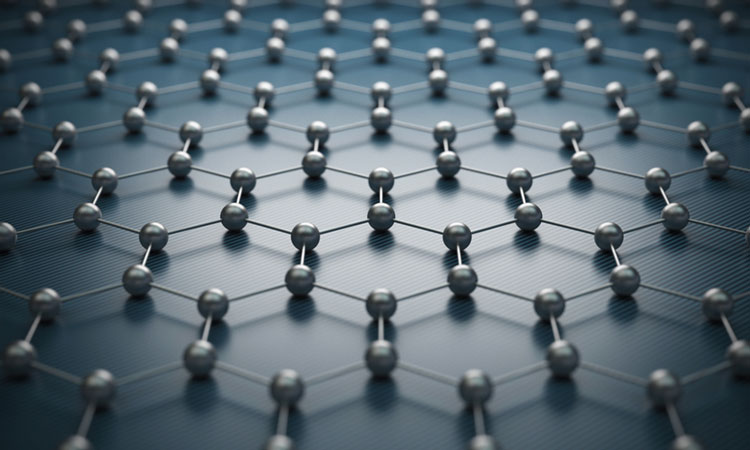
NIST researchers have shown how graphene can be modified with pores and used as an ion filter, and could be adapted for use in drug delivery systems...

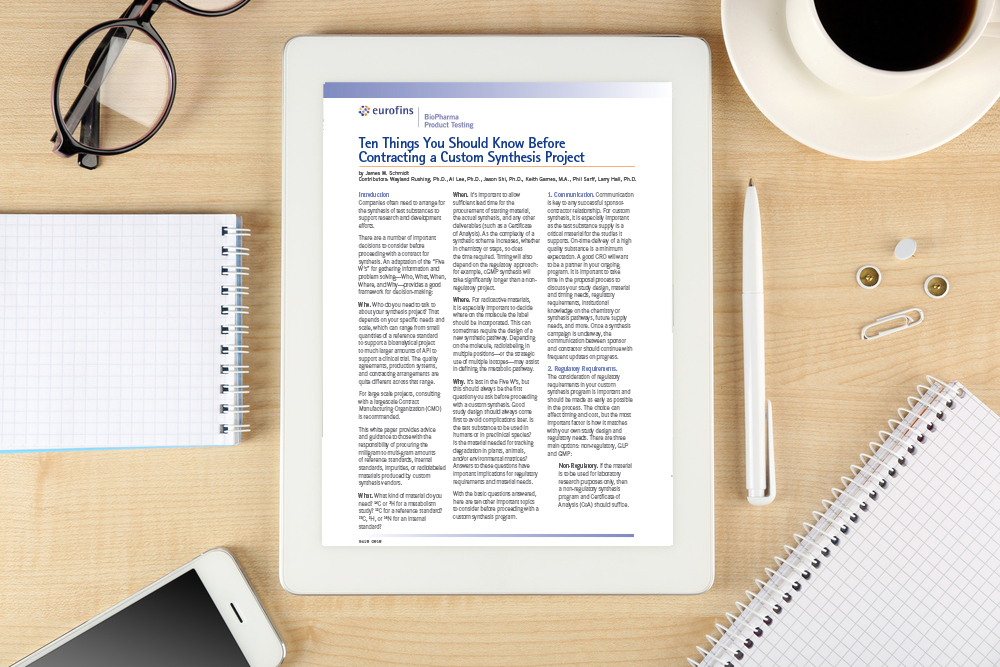
Companies often need to arrange for the synthesis of test substances to support research and development efforts.

