




news
Teva’s migraine biologic Ajovy marks phase III progress for paediatric patients
The monoclonal antibody could provide a new preventative treatment option for episodic migraines, new late-stage data suggests.
List view / Grid view
The monoclonal antibody could provide a new preventative treatment option for episodic migraines, new late-stage data suggests.


Synthesis of the naturally-derived capsules provide a sustainable alternative to traditional, microplastic-contributing drug delivery options.


The regulators’ 10 principles aim to support pharma companies with evidence generation and monitoring for new medicines.


Shimadzu introduces a novel automated artificial intelligence-driven HPLC method.


Digital twin model offers potential for advanced control during continuous pharmaceutical manufacturing processes.
New deal strengthens AbbVie's oncology portfolio, adding a new class of cancer therapeutics to its inventory.


The European Commission’s decision will make the product the first disease-modifying treatment to be available for the condition in Europe.


Replacing LAL reagents with animal-free alternatives addresses industry commitments to improve QC practices’ ethics and sustainability.


His appointment comes as the pharma company AstraZeneca seeks to hit $80 billion revenue target by 2030.


The deal brings it access to oral therapies targeting inflammatory-mediated conditions, including cardiometabolic, neurodegenerative and autoimmune diseases.


5 January 2026 | By European Pharmaceutical Review
During this virtual panel, industry experts will discuss practical examples and considerations for applying AI in pharma’s clinical trials.
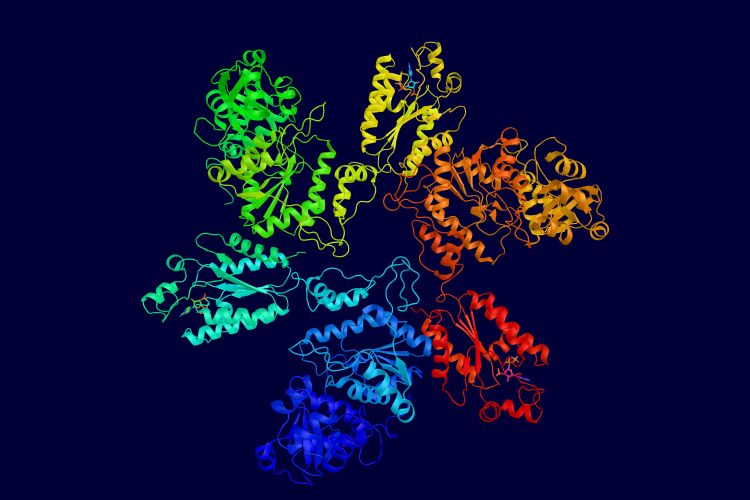
Here, Alan Nafiiev, CEO and founder of Receptor.AI, discusses the benefits of using large language models to integrate literature evidence and structural prediction to accelerate binding site identification.


The impurities research illustrates an approach that could offer a simpler and more flexible downstream purification process.
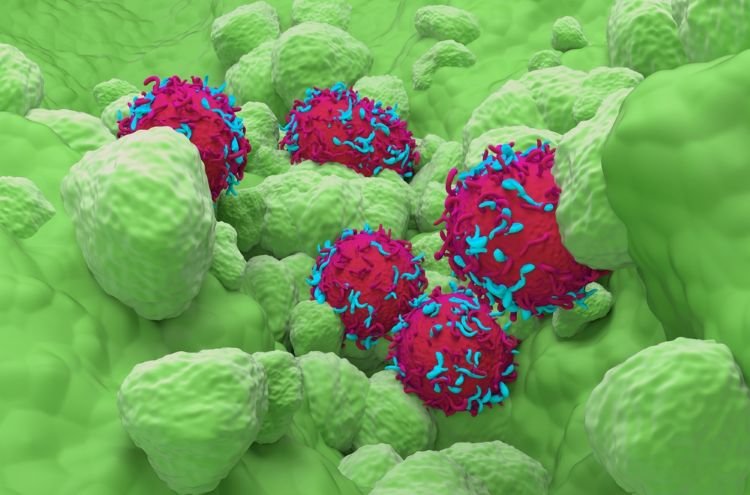
US approval of the subcutaneous therapy provides a novel chemotherapy-free frontline option in EGFR-mutated NSCLC.


And as the Critical Medicines Act advances, so too does the Biotech Act, with the moves attracting mixed support from the region’s pharma industry.

