
Natural GLP-1 activator brings a differentiated approach to synthetic GLP-1 receptor agonists in the increasingly competitive obesity drug market.

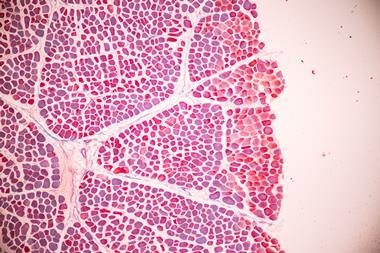
The first 100 percent natural GLP-1 triple hormone activator has been shown to reduce body fat while preserving muscle mass, according to new clinical data.
In the latest findings, nutraceutical Calocurb enabled an average weight loss of 8.3lbs after six months together with “real world” healthy diet and exercise advice, compared to placebo.
The non-prescription, oral twice-daily capsule provides a weight loss alternative where synthetic GLP-1 drugs, such as semaglutide, have been shown to decrease muscle mass alongside fat reduction.
Utilising bitter hops extract Amarasate® as the active ingredient, Calocurb significantly stimulates GLP-1, CCK, PYY, three of the body’s own natural satiety hormones. While Amarasate interacts with bitter taste receptors (TAS2Rs) in the small intestine, all three hormones support satiety, while CCK promotes fat oxidation and PYY supports muscle preservation.
Previous data shows that Calocurb reduced appetite by 30 percent, cravings by 40 percent and caloric intake by an average of 18 percent in one hour.
Further results from Calocurb’s latest clinical study showed that over 24 weeks, the treatment also enabled 3.5x greater reduction in visceral fat vs placebo.
“The new clinical data proves not only Calocurb’s contribution to weight loss overall, but also muscle preservation, which is groundbreaking in the crowded space of GLP-1s and other weight reduction options”
Sarah Kennedy, Founder and CEO of Calocurb
Sarah Kennedy, Founder and CEO of Calocurb said: “The new clinical data proves not only Calocurb’s contribution to weight loss overall, but also muscle preservation, which is groundbreaking in the crowded space of GLP-1s and other weight reduction options.”
The natural GLP-1 activator is already used in the US by both practitioners and consumers, according to Calocurb.
In the wider GLP-targeting obesity drug space, in April Boehringer Ingelheim published data illustrating survodutide’s potential as the first global glucagon/GLP-1 dual agonist (GLP1-RA).
In January, Phase II findings from Roche also demonstrated promise of its own dual GLP1-RA. Once-weekly subcutaneous injectable CT-388 enabled 54 percent of trial participants to attain resolution of obesity.
Last month, Eli Lilly added another medicine to its growing GLP portfolio through a licensing deal potentially worth potential $1.26 billion, for a novel long-acting glucagon-like peptide 2 (GLP-2) biologic from Hanmi Pharm.



No comments yet