


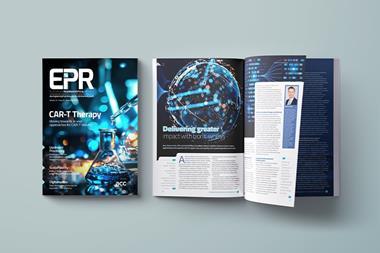
As pharmaceutical microbiology evolves, manufacturers are balancing contamination control, regulatory expectations and the need for faster, more actionable data. This In-Depth Focus explores emerging approaches across microbiological testing, monitoring and rapid methods.

Microbiological testing is evolving as pharmaceutical manufacturers seek faster, more data-driven approaches to detecting contamination and supporting quality decisions. Rapid microbiological methods (RMMs), including PCR-based and automated technologies, can shorten the time between sampling and results, enabling earlier responses to potential contamination events.
However, implementing RMMs requires robust validation, appropriate method selection and integration with wider contamination-control strategies. As manufacturing and regulatory expectations evolve, these technologies are becoming increasingly relevant to timely, risk-based microbiological decision-making.
This In-Depth Focus brings together perspectives from Charles River, LabVantage and Microbiologics and leading academic researchers on the technologies driving that shift.
What’s inside this In-Depth Focus
- How integrating contamination control into pharmaceutical quality systems can help manufacturers interpret data, assess risk and demonstrate that controls are effective.
- What rapid PCR-based mycoplasma testing can offer biotherapeutic manufacturing, how these methods can accelerate contamination detection and why robust validation and risk-based implementation remain essential.
Read the full In-Depth Focus to understand how advances in pharmaceutical microbiology, from contamination control and testing to rapid methods, are shaping quality and manufacturing decisions
Download Now











No comments yet