


news
Roche GLP-1 produces “robust” weight loss in late-stage obesity trial
The pharma company’s injectable GLP-1/GIP receptor agonist CT-388 is an important element of its weight loss strategy and also delivered benefits for pre-diabetic patients.
List view / Grid view
The pharma company’s injectable GLP-1/GIP receptor agonist CT-388 is an important element of its weight loss strategy and also delivered benefits for pre-diabetic patients.


Phase II data derived from the first randomised trial comparing immunotherapy outcomes post-FMT from immunotherapy responders versus placebo.


People, not platforms, will define the next era of innovation, explain Chiesi’s Executive VP of R&D Diego Ardigò and Nick Petschek, EMEA Managing Director at Kotter.


CGT Catapult research shows an increase in phase I/II trials, led by oncology but with clear growth in other disease areas such as inflammation.
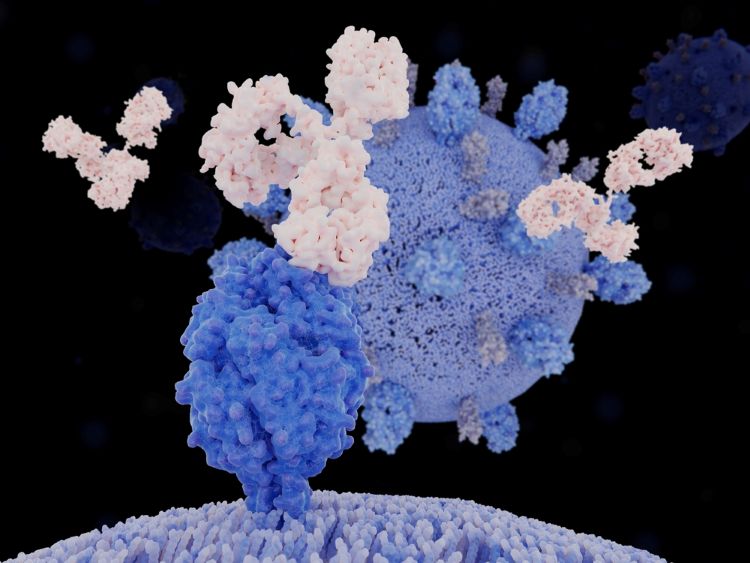
The CRDMO will support the biotech company’s work on next-generation immunotherapies for oncology and autoimmune diseases.


Achieves 100 percent response in phase II data highlighting HT-001's potential as a supportive oncology treatment to address a common EGFR therapy burden.


Will gain access to ozureprubart, a potential best-in-class antibody for food allergies, and expand its respiratory, immunology and inflammation pipeline.


Research findings support the design of robust microbial processes for pharmaceutical products.


Combination therapy comprising of an antidepressant and small molecule drug significantly boosted remission rates in adults with major depressive disorder.
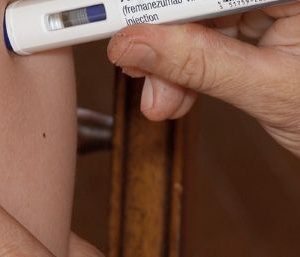

The monoclonal antibody could provide a new preventative treatment option for episodic migraines, new late-stage data suggests.
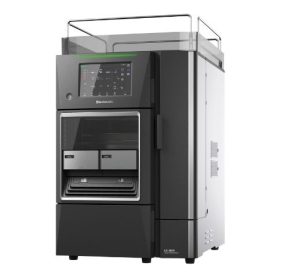
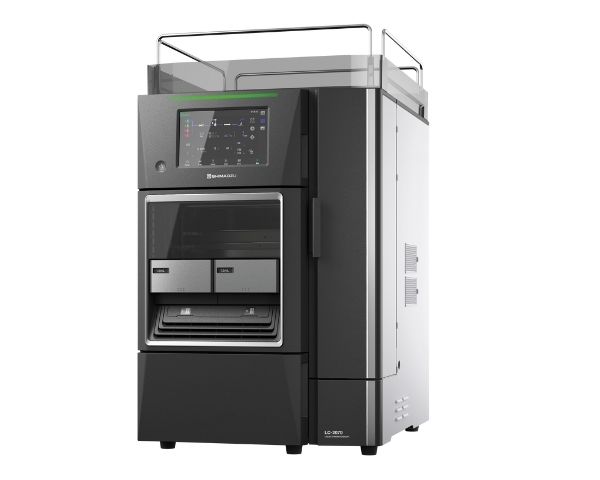
Shimadzu introduces a novel automated artificial intelligence-driven HPLC method.
New deal strengthens AbbVie's oncology portfolio, adding a new class of cancer therapeutics to its inventory.
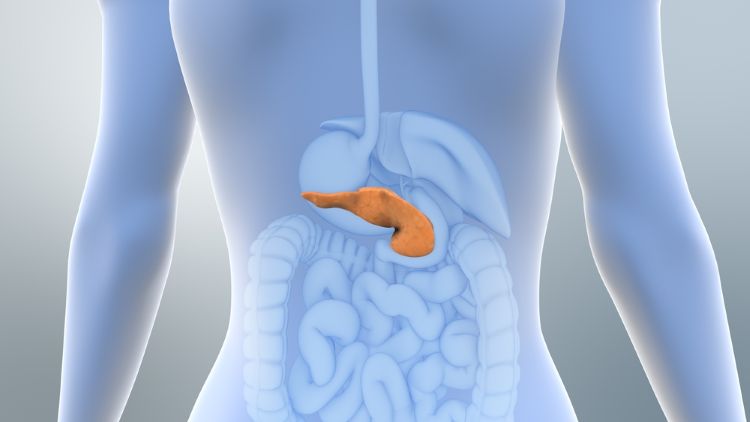
The European Commission’s decision will make the product the first disease-modifying treatment to be available for the condition in Europe.


The deal brings it access to oral therapies targeting inflammatory-mediated conditions, including cardiometabolic, neurodegenerative and autoimmune diseases.
US approval of the subcutaneous therapy provides a novel chemotherapy-free frontline option in EGFR-mutated NSCLC.

