


news
Innovative nanoparticle research could restore antibiotic efficacy
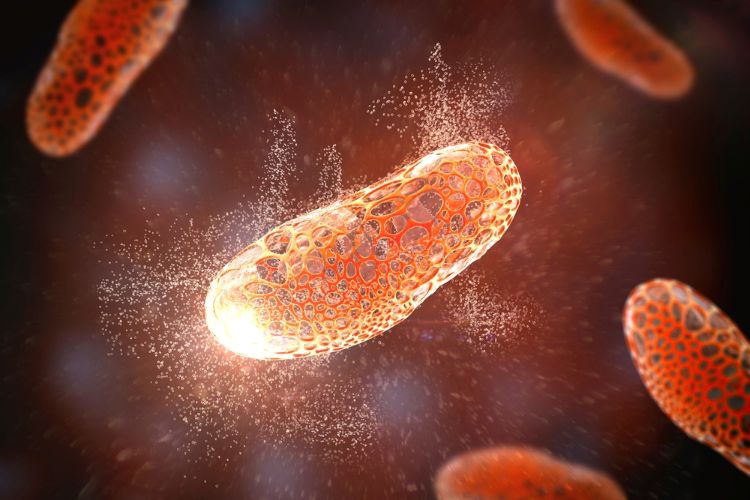
Disrupting drug-resistant Gram-negative pathogens is a potential breakthrough in addressing AMR and enhancing antibiotic success.
List view / Grid view
Disrupting drug-resistant Gram-negative pathogens is a potential breakthrough in addressing AMR and enhancing antibiotic success.
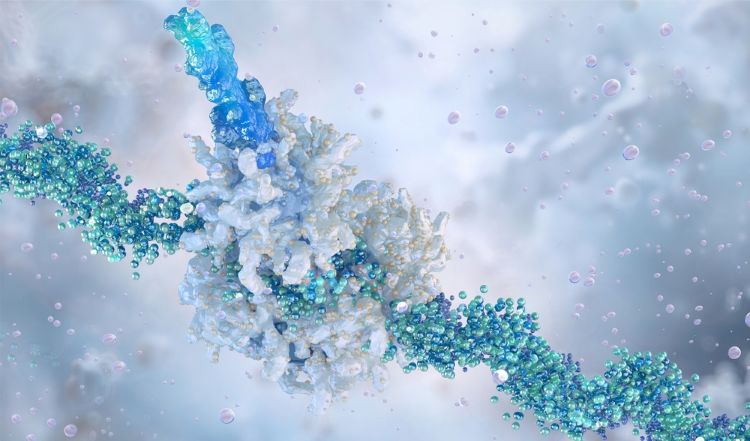
Moderna’s $500 million deal with Nanexa will focus on improving long-acting injectable drug delivery, potentially improving mRNA medicines.


The throughput achieved by the researchers exceeded that of other reported methods by orders of magnitude, supporting the advancement of precision nanomaterials.

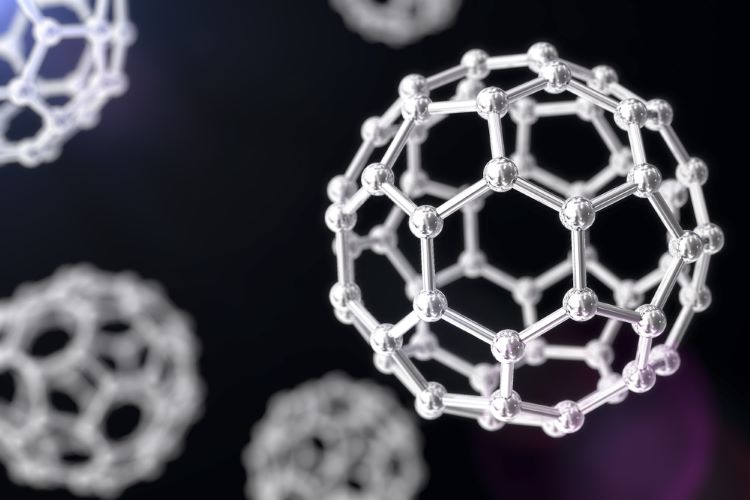
The paper highlights a new analytical method that provides potential for sustainable use of nanomaterials and unique benefits compared to other spectrofluorimetric techniques.


The breakthrough promises to transform pharmaceutical manufacturing by enabling chemical reactions in water, reducing reliance on hazardous organic solvents.
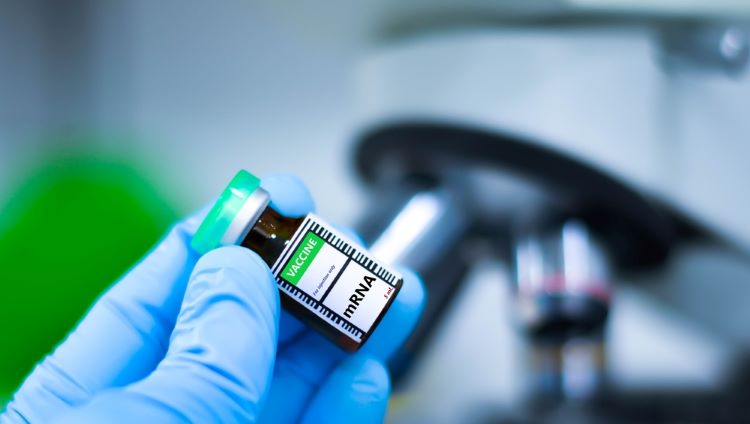
The new approach involving refinement and optimisation of ionisable lipids could accelerate the development of mRNA therapies, research suggests.
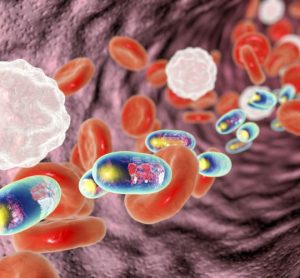
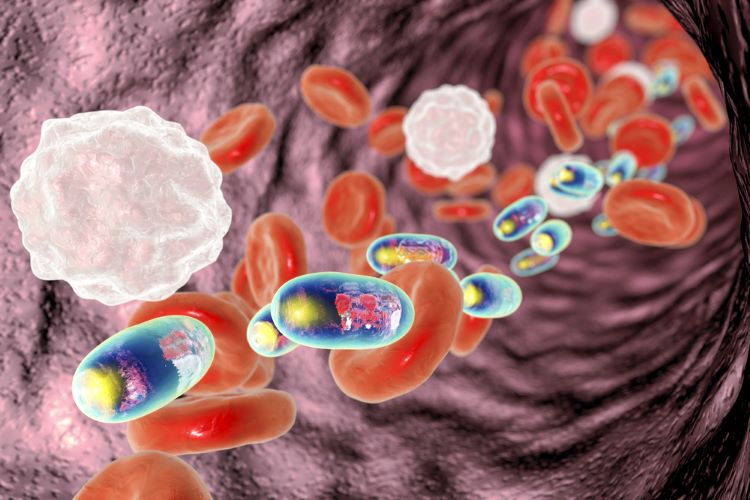
A sustainable drug delivery method based on the biopolymer lignin could offer applications in anti-cancer therapies, research suggests.


The research on nanomedicines investigated the intrinsic radiothermal emission of nanodrugs using a novel method.
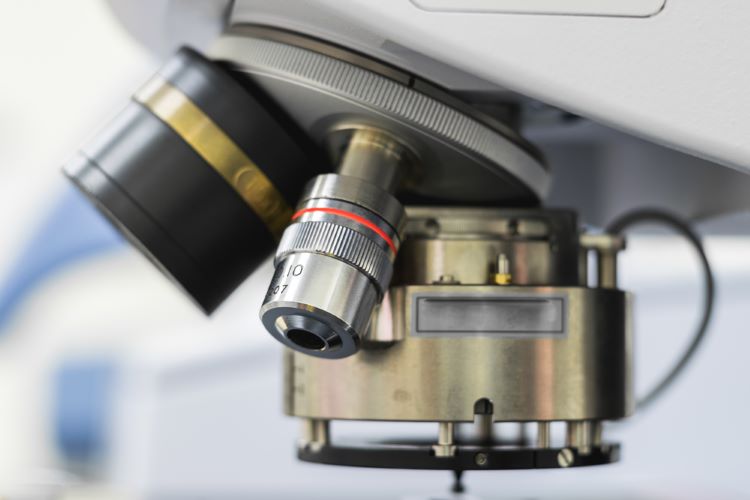
An ultra-high sensitivity and super-resolution infrared imaging technique for single proteins could lead the way to a multitude of applications using infrared nanospectroscopy.
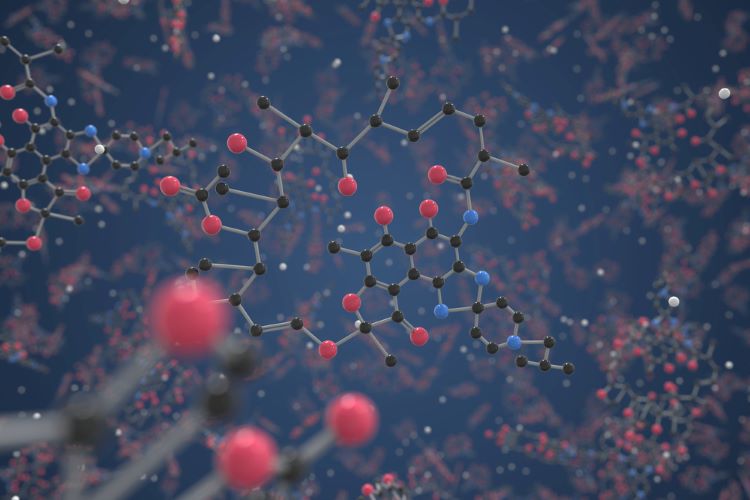
A study on the small molecule antibiotic rifabutin has highlighted benefits of mechanistic compartmental analysis in evaluating nanomedicines.
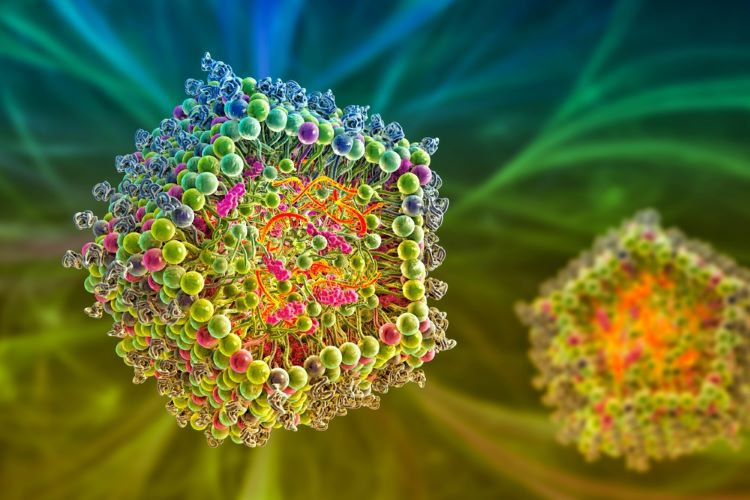
To develop new lipid nanoparticle formulations for RNA therapeutic delivery technologies, CPI and partners are working to establish a new UK Intracellular Drug Delivery Centre.
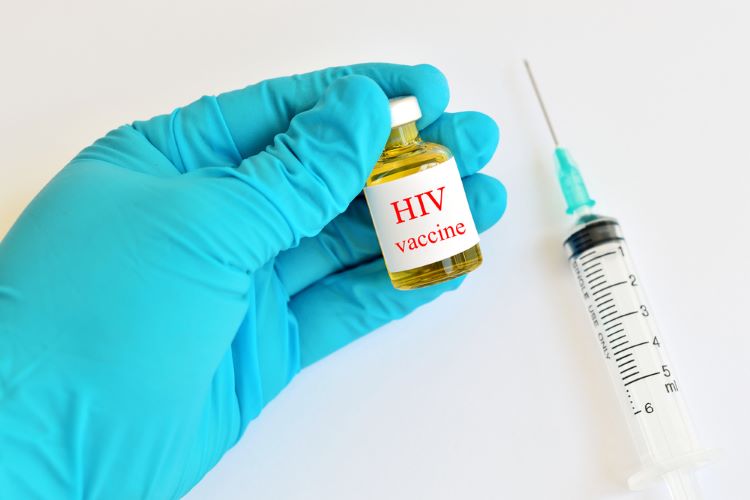
Positive first-in-human trial results have highlighted potential of a nanoparticle vaccine towards broadly neutralising against HIV.

This ebook explores the potential of nanoparticle formulations for drug delivery, as well techniques to predict in vivo bioavailability of these dosage forms.
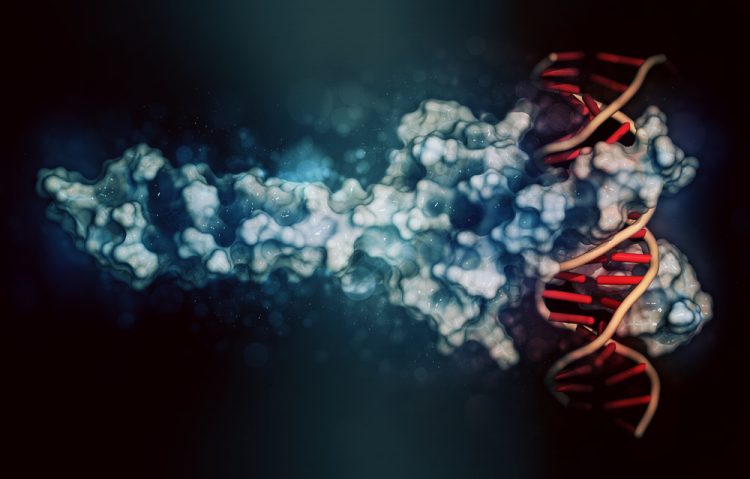
OTX-2002, a programmable epigenetic medicine is the first mRNA therapy to target MYC dysregulation and could treat hepatocellular carcinoma.
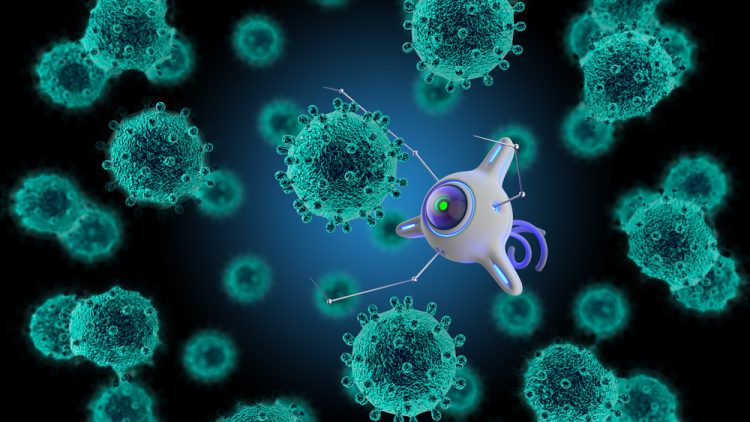
Korean researchers developed ground-breaking new technology that manufactured biodegradable microrobots intended for targeted precision therapies at a rate of 100 per minute.

