

Sustainable pharmaceuticals: what about pine-based painkillers?
Posted: 7 July 2023 | Catherine Eckford (European Pharmaceutical Review) | No comments yet
UK researchers have developed two of the world’s most common painkillers from a pine-derived compound, meaning new sustainable turpentine-based pharmaceuticals could be on their way.
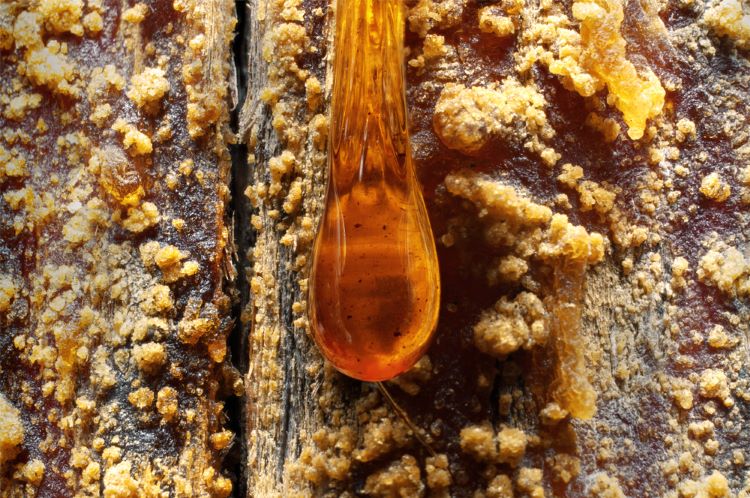
Scientists have created paracetamol and ibuprofen, two of the world’s most common painkillers, out of turpentine (β-pinene), a compound found in pine trees. Turpentine is also a waste product from the paper industry. According to the research published in the journal ChemSusChem, the quantity of this waste generated worldwide is enough to supply the global demand for paracetamol and ibuprofen.
Additionally, the team from the University of Bath’s Department of Chemistry and Institute for Sustainability also successfully synthesised other precursor chemicals from turpentine, including 4-HAP (4-hydroxyacetophenone). This is the precursor of drugs including beta-blockers and the asthma inhaler drug, salbutamol.
Benefits of sustainable turpentine-based pharmaceuticals
The researchers hope that this more sustainable, ‘biorefinery’ approach could replace the need for crude oil products in the chemical industry.
“Using oil to make pharmaceuticals is unsustainable – not only is it contributing to rising CO2 emissions, but the price fluctuates dramatically as we are greatly dependent on the geopolitical stability of countries with large oil-reserves, and it is only going to get more expensive,” commented Dr Josh Tibbetts, Research Associate in the University’s Department of Chemistry.
This novel biorenewable turpentine-based product has benefits for production, including being easier to scale up. Instead of chemicals being placed in a large reactor to create separate product batches, the biorefinery method uses continuous flow reactors. Therefore, the drop-in feedstock replacement could produce sustainable aromatic products.
While the process for creating pine-based) painkillers in its current form may be more expensive than using oil-based feedstocks, with sustainability becoming a greater focus for consumers, they may be willing to pay the slightly higher price for more sustainable, plant-derived pharmaceuticals.
Specifically, both synthetic routes use Pd(0) catalysed reactions to aromatise the cyclohexenyl rings of key intermediates to produce the benzenoid ring systems of paracetamol and ibuprofen.
The research developing the turpentine (pine-based) painkillers was funded by the Engineering and Physical Sciences Research Council.
Building CO2-neutral, defossilised supply chains for chemicals
Related topics
Big Pharma, Biopharmaceuticals, Bioproduction, Drug Development, Drug Manufacturing, Industry Insight, Ingredients, Production, Sustainability, Therapeutics